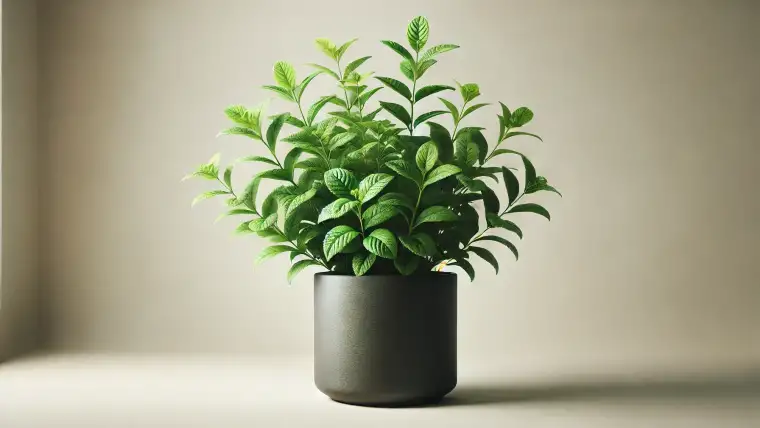
Growing lychee trees in pots offers several advantages, especially for gardeners with limited space or non-tropical climates. Potted lychee trees allow better control over soil conditions, water drainage, and exposure to sunlight, ensuring optimal growth. They can be moved indoors during colder months, protecting them from frost and unfavorable weather.
In addition to all of that, growing lychee in containers minimizes the risk of invasive roots, making it suitable for patios or urban gardens. With proper care, potted lychee trees can yield delicious, nutrient-rich fruits while adding a touch of exotic beauty to any space.
How to Grow Lychee Trees in Containers

Growing a lychee tree in a pot is such a rewarding experience for gardeners who don’t have large outdoor spaces or want to enjoy fresh lychees at home. With the right care and conditions, your potted lychee tree can thrive and even produce fruit. This guide will walk you through everything you need to know about growing lychee in containers.
1. Choosing the Right Pot and Location
- Pot Size:
- Use a pot at least 18-24 inches in diameter and deep enough to support root development. Start smaller if you have a young tree and upgrade to a larger pot as it grows.
- Ensure the pot has drainage holes to prevent waterlogging.
- Material:
- Terracotta, plastic, or ceramic pots are all suitable. If you live in a hot climate, plastic pots help retain moisture, while terracotta is ideal in cooler climates as it allows the soil to breathe.
- Location:
- Place the pot where it receives 6-8 hours of sunlight daily. Lychee trees thrive in warm, sunny, and sheltered areas.
- If you live in a colder region, keep the pot indoors near a south-facing window or in a greenhouse during winter.
2. Soil Requirements
- Type of Soil:
- Lychee trees prefer well-draining, slightly acidic soil (pH 5.0-5.5). A mix of:
- 1 part loam or garden soil
- 1 part compost or aged manure
- 1 part perlite or sand for drainage
- Lychee trees prefer well-draining, slightly acidic soil (pH 5.0-5.5). A mix of:
- Avoid Waterlogging:
- Place a layer of gravel or broken pottery pieces at the bottom of the pot to improve drainage.
3. Planting the Lychee Tree in a Pot
- Start with a Healthy Sapling:
- Purchase a grafted lychee tree or start with a seedling if you are patient, though seeds can take 8-10 years to bear fruit.
- Transplanting:
- Gently remove the sapling from its nursery container, being careful not to damage the roots.
- Place it in the center of the new pot and fill the remaining space with your prepared soil mix. Make sure the root ball is level with the soil surface.
- Watering After Planting:
- Water thoroughly after planting to help the roots settle.
4. Watering and Humidity
- Watering Needs:
- Keep the soil moist but not soggy. Water when the top inch of soil feels dry.
- During summer, you may need to water more frequently to maintain moisture.
- Humidity:
- Lychee trees love humid conditions. Misting the leaves or placing the pot near a humidifier can help.
- Alternatively, place a tray of water near the pot to increase humidity through evaporation.
5. Fertilizing the Lychee Tree
- Fertilizer Type:
- Use an organic fertilizer every 6-8 weeks during the growing season (spring to early fall).
- Supplement with organic matter, like compost or fish emulsion, for better fruit production.
- Micronutrients:
- Lychee trees also benefit from iron and magnesium supplements. Use a foliar spray if the leaves show signs of yellowing.
6. Pruning and Training
- Shaping the Tree:
- Prune your lychee tree to maintain a manageable size and encourage bushy growth.
- Cut back excessive vertical shoots to promote lateral branching.
- Remove Dead Growth:
- Regularly remove dead or diseased branches to keep the tree healthy.
7. Managing Pests and Diseases
- Common Pests:
- Look out for aphids, mites, and scale insects. Use neem oil spray or insecticidal soap if infestations occur.
- Diseases:
- Lychee trees in pots can sometimes develop root rot due to overwatering. Ensure proper drainage to avoid this issue.
- Fungal diseases like anthracnose can be managed with fungicide sprays.
8. Pollination and Fruit Production
- Pollination:
- Lychee trees are self-pollinating but benefit from having multiple trees nearby to increase fruit yield.
- Flowering and Fruit Development:
- Trees typically flower in spring and produce fruit by summer.
- It can take 3-5 years for a grafted lychee tree to start bearing fruit in a pot.
9. Winter Care and Temperature Requirements
- Ideal Temperature:
- Lychee trees thrive in warm temperatures between 20-35°C (68-95°F). They are not frost-tolerant and need to be protected during winter.
- Winter Protection:
- If you live in a colder region, bring the pot indoors during frosts or place it in a greenhouse.
- Reduce watering in winter as the tree enters a dormant phase.
10. Repotting the Lychee Tree
- When to Repot:
- Repot every 2-3 years as the tree outgrows its pot or if the soil becomes compacted.
- How to Repot:
- Choose a slightly larger pot. Remove the tree carefully, trim the roots if necessary, and replace with fresh soil.
11. Troubleshooting Common Issues
- Yellow Leaves:
- Could indicate overwatering or a nutrient deficiency. Adjust watering and apply a balanced fertilizer.
- No Flowers or Fruits:
- The tree may not be receiving enough light or may require more time to mature. Ensure it gets at least 6-8 hours of sunlight daily.
- Slow Growth:
- Lychee trees are naturally slow-growing. Be patient and maintain consistent care.
FAQ
Sure thing, lychee trees can thrive in containers, especially dwarf varieties, though they grow slower and require more care compared to being planted in the ground.
Water regularly to keep the soil moist but not soggy. Reduce watering in winter when the tree is dormant.
Not really, lychees are tropical/subtropical trees. They need protection if temperatures fall below 32°F (0°C). Move them indoors or cover them during cold spells.
Watch for aphids, spider mites, and mealybugs. Treat infestations with insecticidal soap or neem oil. Ensure good air circulation to prevent fungal diseases.
Sign up to get our FREE weekly emails
Gardening guides, tips, & videos delivered right to your inbox!