

Growing fig trees in containers offers flexibility, allowing you to move them indoors during cold weather to protect against frost.
Containers control the size of the tree, making it more manageable and suitable for small spaces like patios or balconies.
They also improve soil drainage, preventing root rot, and give you the ability to monitor and amend soil conditions easily.
It’s also worth noting that container-grown fig trees can produce fruit more quickly as the confined space encourages faster growth and fruiting.
How to Fig Trees in Pots
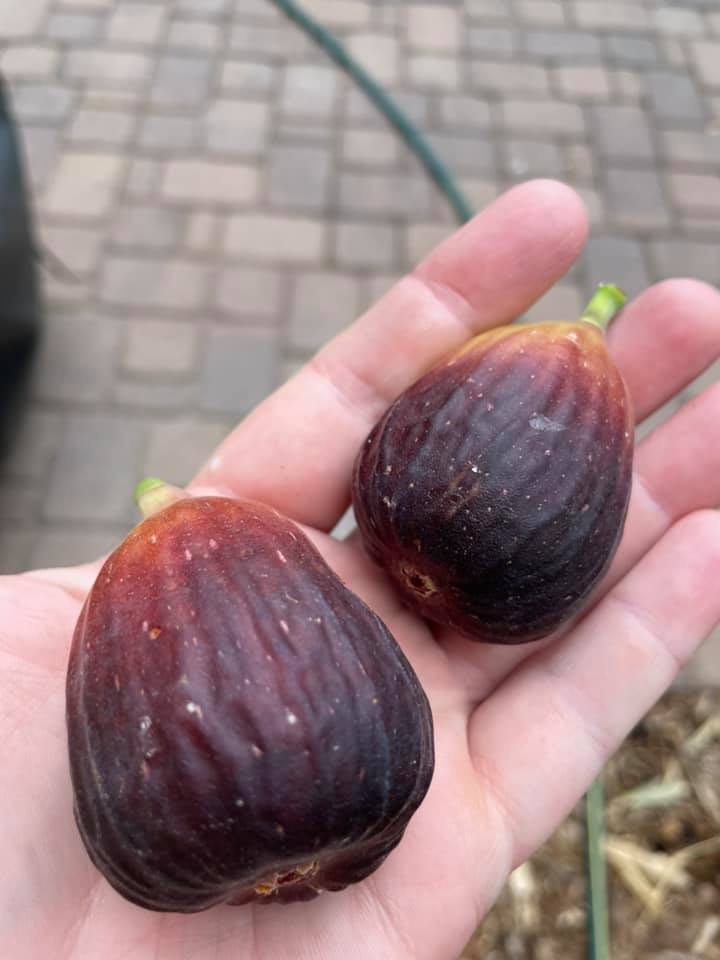
Figs (Ficus carica) are not only delicious but also relatively easy to grow, making them perfect candidates for container gardening.
By growing fig trees in containers, you can enjoy fresh figs even if you have limited space, poor soil, or a cooler climate.
This guide will take you through all the essential steps to successfully grow fig trees in containers.
1. Choosing the Right Variety of Fig Tree
When selecting a fig variety to grow in a container, it’s important to choose one that is well-suited for container growth and potentially smaller spaces.
Some fig varieties grow very large, so opt for smaller, more compact varieties or dwarf varieties if you have limited space.
Recommended Fig Varieties for Containers:
- Petite Negra – A dwarf variety that produces full-sized fruit.
- Chicago Hardy – Known for being cold-hardy and productive.
- Brown Turkey – A classic choice with a robust yield of medium-sized figs.
- Violette de Bordeaux – A smaller variety with rich-tasting figs.
2. Selecting the Right Container
Container Size: For young fig trees, start with a container at least 16 inches in diameter. As the tree grows, you’ll need to repot it into a larger container, ideally about 24 inches or more in diameter. A large container allows the fig’s roots to spread, supporting the tree as it grows.
Material: Choose a container made of wood, plastic, or clay. Plastic pots are lighter and easier to move, while ceramic or clay pots offer better breathability. Ensure the container has drainage holes to prevent root rot.
Drainage: Good drainage is essential, as fig trees do not tolerate soggy soil. You can place broken pottery or gravel at the bottom of the pot to improve drainage.
3. Planting the Fig Tree
Soil Mix: Fig trees need well-draining, fertile soil. You can use a high-quality potting mix amended with organic matter like compost. Avoid heavy garden soil, as it can compact and restrict root growth.
Planting Steps:
- Fill the container about one-third full with the soil mix.
- Gently remove the fig tree from its nursery pot and loosen the roots if they appear root-bound.
- Place the tree in the center of the container, and fill around it with more soil, leaving about 1-2 inches at the top of the pot for easy watering.
- Press the soil down gently but firmly to eliminate air pockets.
- Water thoroughly until water drains out of the bottom of the container.
4. Sunlight Requirements
Figs thrive in full sunlight, so place your container where it will receive at least 6 to 8 hours of direct sunlight daily.
A south-facing position is ideal, especially if you live in cooler climates. If growing indoors, choose a bright, sunny spot like a large window or sunroom.
5. Watering the Fig Tree
Fig trees in containers require consistent watering to ensure the roots don’t dry out. However, avoid overwatering.
- Frequency: Water when the top inch of soil feels dry. During hot summer months, this may be every day, but reduce watering in cooler months or when the tree is dormant.
- Method: Water deeply until you see water draining from the bottom, ensuring the entire root ball gets moisture.
6. Fertilizing
Figs are not heavy feeders, but they do benefit from periodic fertilization.
- Type: Use a balanced, slow-release fertilizer or organic options like compost tea or fish emulsion.
- Frequency: Feed the tree monthly during the growing season (spring and summer). Reduce feeding in fall and skip during winter dormancy.
7. Pruning and Maintenance
Pruning helps maintain the tree’s size and shape, especially in containers, and encourages fruit production.
When to Prune:
- In late winter or early spring, before new growth starts.
- Light pruning can also be done after the fruit harvest.
How to Prune:
- Remove any dead, damaged, or crossing branches.
- Thin out the center of the tree to allow light and air circulation.
- Cut back the tips of branches to maintain a manageable size.
8. Winter Care
Fig trees are sensitive to cold temperatures, especially those in containers. In regions where temperatures fall below freezing, you’ll need to protect your fig tree.
- Indoors: Move the tree indoors to a garage, basement, or greenhouse during winter. Fig trees go dormant in winter, so they don’t need much light or watering during this time.
- Outdoors: If keeping the tree outside, insulate the container by wrapping it with burlap or bubble wrap. You can also mulch the top of the soil to protect the roots.
9. Harvesting Figs
Figs typically ripen in late summer or early fall. Once figs start to mature, check daily, as they ripen quickly.
- Ripeness: A ripe fig will be soft to the touch and may slightly droop. The skin may split when fully ripe.
- Harvest Method: Gently twist or cut the fruit from the branch. Handle with care as figs bruise easily.
10. Pest and Disease Control
Fig trees are relatively pest-resistant but can still encounter issues, especially in container environments.
- Common Pests: Watch for aphids, scale insects, and spider mites. A simple spray of water or insecticidal soap can keep infestations under control.
- Diseases: Figs can suffer from root rot if overwatered, so ensure proper drainage. Leaf spot or rust can be treated with a fungicide or by removing affected leaves.
11. Repotting
As the fig tree grows, it will eventually become root-bound in its container. Every 2-3 years, repot the tree into a larger container or refresh the soil to ensure healthy root growth.
Steps for Repotting:
- Choose a new container that’s a few inches larger than the current one.
- Gently remove the tree from its pot, loosening the roots if necessary.
- Place the tree in the new container with fresh soil, ensuring the top of the root ball is just below the rim of the pot.
- Water thoroughly and adjust to its new location.
FAQ
Yes. Fig trees grow well in pots and are ideal for small spaces like patios or balconies. The container allows control over the soil conditions and helps limit the tree’s size.
Start with a pot that’s at least 15-20 inches in diameter and 18-24 inches deep. As the tree grows, it may need to be repotted into a larger container.
Water the fig tree when the top inch of soil feels dry. Fig trees prefer moist soil but are drought-tolerant, so avoid overwatering, which can cause root rot.
Yes, but sparingly. Use a balanced fertilizer (10-10-10) in early spring and again in late summer. Avoid over-fertilizing as it can reduce fruit production.
Potted fig trees can bear fruit in 1-2 years, depending on the variety and growing conditions. Fig trees typically produce fruit twice a year: early summer and late summer or early fall.
Prune in late winter when the tree is dormant. Remove dead or crossing branches to encourage airflow and shape the tree. Pruning also helps keep the tree manageable in a pot.
Fig trees prefer outdoor conditions but can be grown indoors if they receive enough sunlight. A south-facing window or grow lights can help. However, they may not produce as much fruit indoors.
Sign up to get our FREE weekly emails
Gardening guides, tips, & videos delivered right to your inbox!


