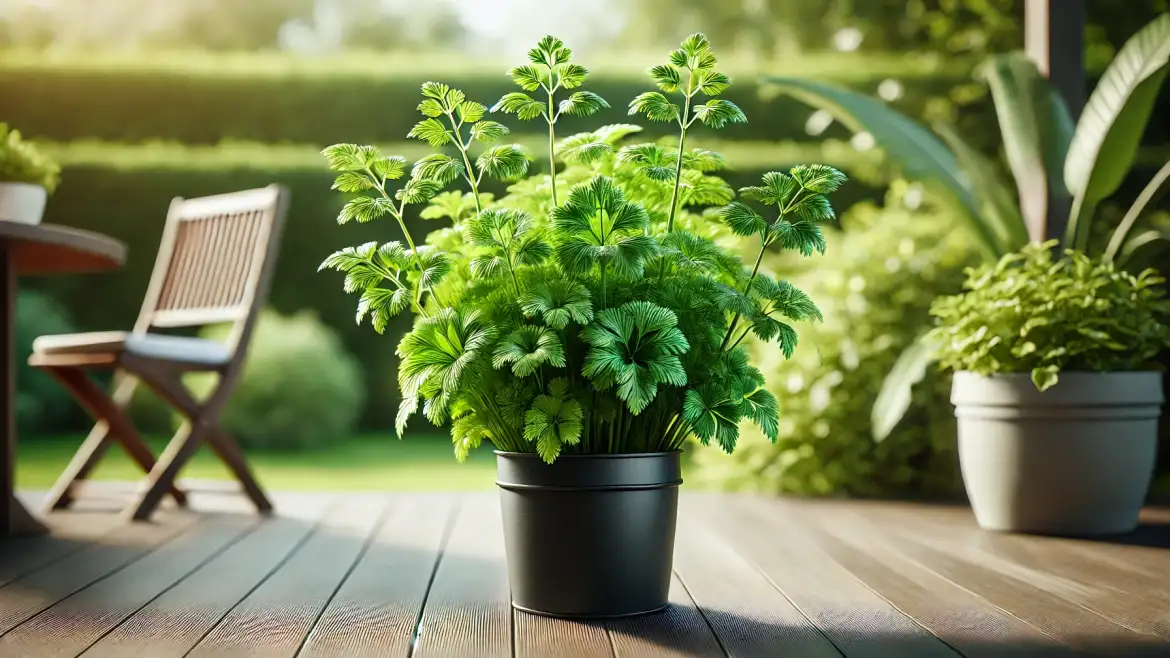
Growing lovage in pots offers several benefits, particularly for those with limited garden space or who prefer container gardening. Lovage, a perennial herb known for its celery-like flavor, thrives well in pots, making it a practical choice for urban gardeners or those with small balconies.
Containers allow you to control the soil quality, ensuring the herb gets the well-drained, nutrient-rich environment it needs for robust growth. Potted lovage can also be easily relocated to take advantage of optimal sunlight, which is essential for healthy leaves and strong stems. Additionally, keeping lovage in pots minimizes the risk of it becoming invasive, as its roots can spread extensively when grown in the ground.
Another advantage is the ease of maintenance and accessibility. Potted lovage can be kept near the kitchen, providing a convenient, fresh supply of this versatile herb for culinary uses. Its leaves, stems, and seeds can be harvested regularly without overexerting the plant, and the container setup makes it simpler to manage pests and diseases.
Pots also allow better water regulation, preventing overwatering or waterlogging, which lovage is sensitive to. Furthermore, growing lovage in pots adds an aesthetic element to your space, as its tall, lush foliage creates a vibrant, garden-like ambiance even in compact areas.
Growing Lovage in a Pot
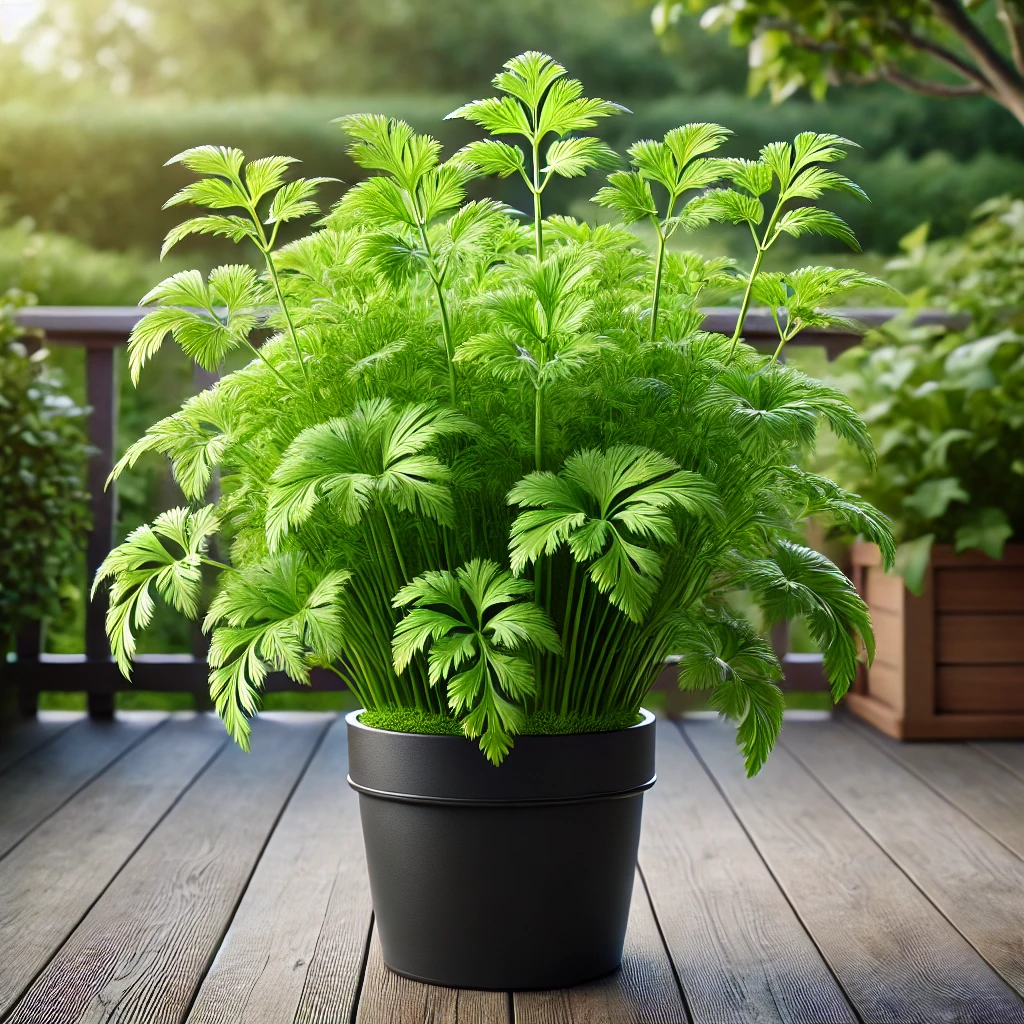
Lovage (Levisticum officinale) is a hardy perennial herb with a flavor resembling celery and parsley. It is an excellent choice for small spaces and urban gardening since it thrives in pots. Here’s a step-by-step guide to growing lovage in containers successfully.
1. Choosing the Right Pot
- Size: Lovage has a deep root system, so choose a pot that is at least 12-18 inches deep and wide.
- Material: Use pots made of durable materials like ceramic, plastic, or terracotta, with good drainage holes at the bottom.
- Drainage: Place a layer of gravel or small stones at the bottom of the pot to enhance drainage.
2. Selecting the Growing Medium
- Soil: Use a high-quality potting mix with good drainage and moisture retention. Add compost or well-rotted manure for extra nutrients.
- pH Level: Ensure the soil has a pH between 6.0 and 7.5. Neutral to slightly alkaline conditions are ideal.
3. Planting Lovage
- Seeds:
- Soak lovage seeds in water overnight to improve germination.
- Fill the pot with soil, leaving 1-2 inches at the top.
- Sow seeds 1/4 inch deep and cover lightly with soil.
- Water gently to moisten the soil.
- Seedlings:
- If starting with seedlings, transplant them into the pot, ensuring the crown of the plant is level with the soil surface.
4. Watering
- Frequency: Lovage likes consistent moisture. Water the plant when the top inch of soil feels dry but avoid waterlogging.
- Tips: Use a saucer to catch excess water but empty it regularly to prevent root rot.
5. Light and Placement
- Sunlight: Place the pot in a location that receives at least 6-8 hours of sunlight daily. Lovage tolerates partial shade but grows best in full sun.
- Wind Protection: Lovage can grow tall and may be top-heavy, so ensure it is in a spot protected from strong winds.
6. Fertilizing
- Frequency: Feed the plant every 4-6 weeks during the growing season (spring and summer).
- Type: Use a balanced, all-purpose liquid fertilizer or organic options like fish emulsion or seaweed extract.
7. Pruning and Maintenance
- Regular Harvesting: Start harvesting leaves once the plant is about 6 inches tall. Regular harvesting encourages bushier growth.
- Cutting Back: Trim back flower stalks to redirect energy to foliage production unless you want seeds.
- Winter Care: Lovage dies back in winter. Cut the stems to the soil level and mulch around the pot to protect roots.
8. Pests and Problems
- Common Pests: Watch for aphids and whiteflies. Use neem oil or insecticidal soap to treat infestations.
- Diseases: Ensure proper drainage to avoid root rot and fungal diseases. Avoid overhead watering.
9. Propagation
- Division: Divide mature plants in spring or fall. Gently separate the roots and replant them in new pots.
- Seeds: Collect seeds from flower heads for future planting.
FAQs
Yes, lovage can be successfully grown in pots. It’s a hardy perennial herb that adapts well to container gardening with proper care.
Keep the soil consistently moist but not waterlogged. Water when the top inch of soil feels dry. Pots tend to dry out faster than garden beds, so check soil moisture regularly.
Lovage is a hardy perennial and can survive winter in pots if protected. Move the pot to a sheltered area or insulate it by wrapping the container in bubble wrap or burlap. Alternatively, overwinter it indoors.
Lovage grows quickly in the right conditions. You can start harvesting leaves 6-8 weeks after planting.
Yes, lovage can be grown indoors in pots if placed in a bright, sunny location, such as near a south-facing window. Consider supplementing with a grow light if natural sunlight is insufficient.
Sign up to get our FREE weekly emails
Gardening guides, tips, & videos delivered right to your inbox!