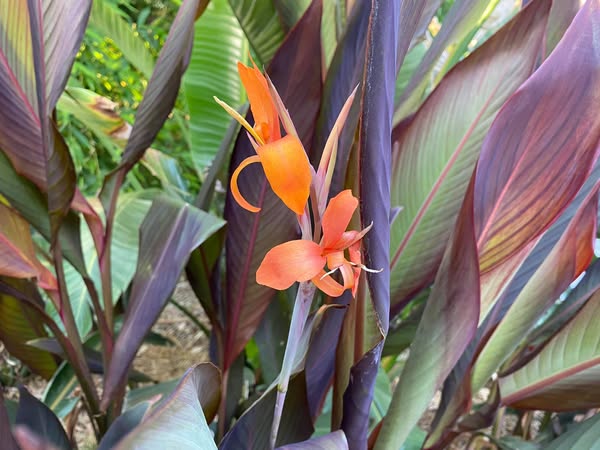
Growing lilies in pots offers several benefits, especially for gardeners with limited space or challenging soil conditions. Potted lilies provide a controlled environment that allows for the perfect balance of nutrients, water, and sunlight. This control minimizes issues like poor drainage or pests that often plague garden-grown lilies.
It’s worth noting that for sure pots make it easier to move the plants to optimal locations throughout the day or season, ensuring they receive adequate sunlight or protection from harsh weather. This flexibility is particularly advantageous for extending the blooming period by moving the lilies to cooler or shadier spots once they start to flower.
Another advantage of growing lilies in pots is the ability to create stunning visual displays in small spaces, such as patios, balconies, or terraces. The vibrant blooms and striking colors of lilies can serve as focal points, adding elegance and fragrance to outdoor living areas. Potted lilies also make for convenient seasonal decor, as the containers can be changed or arranged to match specific themes or events.
Furthermore, growing lilies in pots makes them easier to care for, as weeds are less likely to grow, and the plants are more accessible for pruning and deadheading. This ease of maintenance makes potted lilies an excellent choice for both novice and experienced gardeners.
Growing Lilies in a Pot

Lilies are elegant and fragrant flowers that can transform your space into a lush and colorful retreat. Growing them in pots allows you to enjoy their beauty on patios, balconies, and even indoors. This guide will walk you through every step of growing lilies in pots successfully.
1. Choosing the Right Lily Variety
Not all lilies thrive in pots, so selecting the right variety is crucial. Consider the following types:
- Asiatic lilies: Hardy, easy to grow, and come in a wide range of colors. They have little to no fragrance.
- Oriental lilies: Known for their intense fragrance and large blooms. They prefer slightly acidic soil.
- Dwarf lilies: Ideal for pots due to their compact size and easy maintenance.
- Trumpet lilies: Tall and elegant, they require deep pots for proper growth.
2. Selecting the Right Pot
Choose pots that meet these criteria:
- Size: At least 12 inches in diameter and depth to accommodate lily bulbs and roots.
- Material: Terracotta, ceramic, or plastic pots with drainage holes to prevent waterlogging.
- Shape: Ensure stability as taller lilies may become top-heavy.
3. Preparing the Soil
Lilies prefer well-draining soil with a good balance of nutrients. Here’s how to prepare it:
- Use a mix of:
- 50% high-quality potting soil
- 25% compost
- 25% sand or perlite
- For Oriental lilies, add peat moss to make the soil slightly acidic.
- Ensure the pH is between 6.0 and 6.5.
4. Planting Lily Bulbs
Follow these steps for planting:
- Timing: Plant bulbs in late fall or early spring, depending on your climate.
- Spacing: Plant bulbs 3–4 inches apart, pointy side up.
- Depth: Cover bulbs with soil, ensuring they are 4–6 inches below the surface.
- Watering: Water thoroughly after planting to settle the soil.
5. Positioning the Pot
Lilies require ample sunlight to thrive. Place the pot in a location with:
- Sunlight: At least 6 hours of direct sunlight daily.
- Protection: Shield from strong winds and extreme temperatures.
6. Watering and Fertilizing
Proper watering and feeding are essential for healthy lily growth:
- Watering:
- Keep the soil consistently moist but not waterlogged.
- Water deeply when the top 1 inch of soil feels dry.
- Fertilizing:
- Use a balanced fertilizer (10-10-10) every 4 weeks during the growing season.
- Switch to a low-nitrogen fertilizer as blooms appear.
7. Supporting the Stems
Tall lilies may require support to prevent stems from bending or breaking:
- Insert bamboo stakes or metal plant supports into the soil.
- Tie stems loosely with garden twine to avoid damage.
8. Managing Pests and Diseases
Keep lilies healthy by preventing common pests and diseases:
- Pests:
- Watch for aphids, red lily beetles, and spider mites.
- Use insecticidal soap or neem oil as needed.
- Diseases:
- Avoid overwatering to prevent root rot and fungal infections.
- Remove and dispose of infected leaves promptly.
9. Deadheading and Pruning
Maintain your lilies’ appearance and encourage re-blooming by:
- Deadheading: Remove spent blooms to redirect energy to the bulb.
- Pruning: Allow foliage to yellow and die back naturally to nourish the bulbs.
10. Repotting and Propagating
Lilies may need repotting every 2–3 years to refresh the soil and divide overcrowded bulbs:
- Gently remove the bulbs from the pot.
- Separate offsets (baby bulbs) from the parent bulb.
- Replant in fresh soil following the planting steps above.
Tips for Success
- Label your pots if growing multiple varieties to track care requirements.
- Rotate pots occasionally for even sunlight exposure.
- Avoid overcrowding to ensure each lily has room to thrive.
FAQs
Yes, lilies can thrive in pots as long as their basic growing needs are met, such as proper drainage, sufficient sunlight, and the right soil mix.
It depends on the pot size and lily variety. Typically, you can plant 3-5 bulbs in a 14-inch (35 cm) pot, ensuring they have about 2-3 inches (5-7 cm) of space between them.
Plant lily bulbs in the spring or fall, depending on the variety. Spring planting ensures summer blooms, while fall planting may result in spring blooms.
Most lilies prefer full sun to partial shade. Ensure your potted lilies receive at least 6 hours of sunlight daily.
Water regularly to keep the soil moist but not soggy. Avoid overwatering, which can cause bulb rot. Reduce watering during dormancy.
Once the flowers fade, cut off the spent blooms but leave the foliage to die back naturally. The leaves help the bulb store energy for the next season.
Hardy lily varieties can overwinter in pots if protected from extreme frost. Move the pots to a sheltered area or cover them with mulch. For non-hardy varieties, bring the pots indoors.
Yes, repot lilies every 2-3 years to refresh the soil and divide overcrowded bulbs if necessary.
You can move potted lilies indoors temporarily, especially during flowering, but they need bright, indirect light. Avoid keeping them indoors permanently, as they thrive better outdoors.
Most lilies bloom only once per season, but with proper care, the bulbs will produce flowers the next year.
Sign up to get our FREE weekly emails
Gardening guides, tips, & videos delivered right to your inbox!