Growing hydrangeas in pots offers several benefits, particularly for those with limited garden space or for creating a movable garden display. Container gardening allows for greater control over the plant’s environment, such as soil conditions, watering, and sunlight exposure. Potted hydrangeas are ideal for small yards, patios, balconies, or even indoor spaces where traditional ground planting isn’t possible.
These plants thrive in well-drained, nutrient-rich potting soil, making them easy to maintain with the right care. Additionally, container hydrangeas can be relocated to optimal locations for maximum sunlight or shade, ensuring that these beautiful flowering shrubs bloom to their full potential.
Another significant advantage of growing hydrangeas in pots is the ability to extend the growing season. In colder climates, potted hydrangeas can be brought indoors or into a sheltered location during the winter months, protecting them from frost and harsh weather conditions. This helps prevent winter damage, allowing the plants to survive and bloom year after year.
Furthermore, hydrangeas in pots provide a dynamic and flexible landscape feature, allowing gardeners to easily move the plants to different areas for aesthetic purposes or to accommodate seasonal changes. Whether growing hydrangeas for their stunning flowers or as a low-maintenance landscaping solution, container gardening offers convenience, versatility, and beauty.
Growing Hydrangeas in a Pot
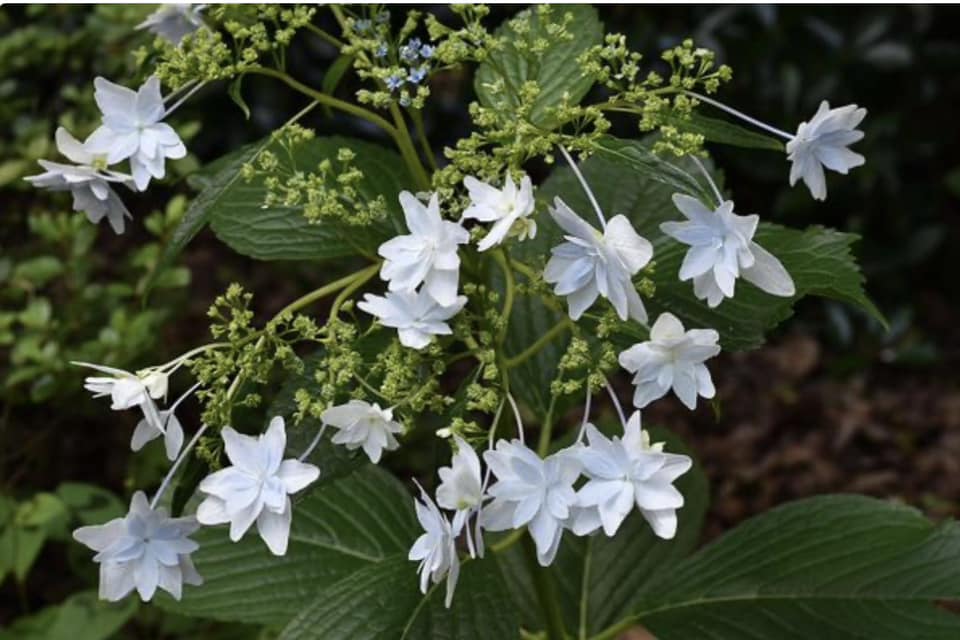
How to grow hydrangeas in pots? Do hydrangeas grow well in pots? Those are some of the most frequently asked questions when it comes to growing hydrangeas in containers, whether outside or indoors.
Hydrangeas are beautiful, versatile plants that can definitely thrive in pots and containers, making them ideal for small spaces, patios, balconies, or even indoor gardening. Growing hydrangeas in pots allows you to control the environment and soil conditions, making them easier to manage. We have prepared this comprehensive guide to help you grow healthy, thriving hydrangeas in pots.
1. Choosing the Right Hydrangea Variety
Before you start, it’s important to select the right hydrangea variety for container growing. Some varieties are better suited for pots due to their size, growth habits, and root systems.
- Best Varieties for Pots:
- Hydrangea macrophylla (Bigleaf Hydrangea): This variety is a popular choice for containers and has the iconic large, round flowers in shades of blue, pink, or purple.
- Hydrangea paniculata (Panicle Hydrangea): Known for its large, conical flower clusters, this variety is also well-suited for pots and can tolerate a bit more sun than other types.
- Hydrangea arborescens (Smooth Hydrangea): This variety is typically smaller and well-suited for container growth.
- Hydrangea quercifolia (Oakleaf Hydrangea): This variety produces stunning leaves with rich color, making it an excellent choice for ornamental purposes.
2. Selecting the Right Pot
Hydrangeas have relatively shallow root systems, but they still require a pot with enough space to grow and thrive. Here’s how to select the right pot:
- Size: Choose a pot that is at least 18-24 inches in diameter and has good drainage. The pot should be large enough to allow the roots to spread out and grow but not too large that the plant’s roots remain waterlogged.
- Material: Pots made of ceramic, plastic, or resin are good choices. They are durable, retain moisture, and are relatively lightweight. Wooden or clay pots can dry out quickly and may require more frequent watering.
- Drainage: Ensure the pot has at least one drainage hole at the bottom to prevent water from accumulating. Hydrangeas do not like to sit in stagnant water, as it can lead to root rot.
3. Soil Requirements
Hydrangeas need well-draining, slightly acidic soil to thrive. The ideal pH level for hydrangeas is between 5.5 and 6.5.
- Soil Mix: Use a mix of peat-based compost, perlite, and pine bark. This will create a well-draining, acidic environment that will promote healthy root growth. If you’re unsure, you can buy a commercial soil mix specifically designed for acid-loving plants like azaleas and rhododendrons.
- Soil Amendment: If you need to acidify the soil, you can add organic materials such as pine needles, coffee grounds, or sulfur. Avoid using soil from the garden, as it may not drain well in pots.
4. Location and Light Requirements
Hydrangeas generally prefer partial sun, especially in warmer climates, but the amount of light will vary based on the variety.
- Light: Place your hydrangea in a location where it gets morning sunlight and afternoon shade, which prevents the plant from becoming stressed in the heat. In cooler climates, some hydrangeas can tolerate full sun.
- Temperature: Hydrangeas grow best in temperatures between 60°F and 75°F (15°C to 24°C). If you live in an area with very hot summers, consider moving the pot to a shadier spot to protect the plant from sunburn.
5. Planting Hydrangeas in Pots
Follow these steps to plant hydrangeas in a pot:
- Prepare the Pot: Place a layer of gravel or small rocks at the bottom of the pot to improve drainage. Add a layer of the prepared potting soil on top.
- Place the Hydrangea: Gently remove the hydrangea from its nursery pot and place it in the new container. Make sure the root ball is level with the top of the pot. Avoid planting the hydrangea too deep.
- Fill with Soil: Fill around the root ball with more soil, pressing it gently to eliminate air pockets. Leave about 1 inch (2.5 cm) of space between the soil and the rim of the pot.
- Water Thoroughly: After planting, water the hydrangea thoroughly to settle the soil and eliminate air pockets.
6. Watering Hydrangeas in Pots
Hydrangeas are water-loving plants, and their roots are sensitive to drying out. Potted hydrangeas tend to dry out more quickly than those planted in the ground, so consistent watering is essential.
- Watering Frequency: Check the soil moisture regularly. Water deeply when the top 1 inch (2.5 cm) of soil feels dry. Make sure the water drains out of the pot’s bottom.
- Watering Tips: Water in the early morning to allow the plant to dry out before evening. Avoid watering in the evening, as this can lead to root rot. If the hydrangea is in a sunny spot, consider watering more frequently, especially in the summer.
7. Fertilizing Hydrangeas in Pots
Hydrangeas in pots rely on fertilizers since they have limited access to nutrients in the soil. Feed your hydrangea with a slow-release, balanced fertilizer (like 10-10-10) at the beginning of the growing season.
- Fertilization Schedule:
- Spring and Summer: Fertilize every 6-8 weeks during the growing season (March through August) to encourage healthy growth and vibrant blooms.
- Fall and Winter: Cut back on fertilization in the fall, as hydrangeas typically go dormant during the winter months. Avoid fertilizing in winter, as this can promote growth that the plant can’t sustain.
8. Pruning and Deadheading Hydrangeas
Regular pruning helps keep hydrangeas healthy, encourages new growth, and enhances the appearance of the plant.
- Pruning Dead Blooms: Remove dead or faded flowers by cutting the stems just above the first set of healthy leaves. This process is called deadheading and helps encourage more blooms.
- Pruning for Shape: Prune your hydrangea after blooming to shape the plant and remove any damaged or weak stems. Be careful not to prune too much if your hydrangea blooms on old wood, as you may remove next year’s buds.
- Avoid Over-Pruning: Some hydrangea varieties bloom on old wood, so excessive pruning can reduce the number of blooms the following year.
9. Winter Care for Potted Hydrangeas
In colder climates, potted hydrangeas can struggle with frost, so it’s important to protect them in winter.
- Protection: If your hydrangea is hardy in your zone, you can leave it outside, but you should protect the pot from freezing. Insulate the pot with burlap or place it in a sheltered location (e.g., near a wall). Consider wrapping the pot in bubble wrap or moving the pot to a garage or shed during extreme cold spells.
- Indoor Care: If you’re bringing the hydrangea indoors for the winter, place it in a bright, cool room (around 50-60°F or 10-15°C). Water sparingly to avoid root rot.
10. Troubleshooting Common Problems
- Yellowing Leaves: If the leaves turn yellow, it could be a sign of too much direct sun, overwatering, or a nutrient deficiency. Adjust watering and consider feeding the plant with a balanced fertilizer.
- Wilting Leaves: This can be a sign of dehydration. Check for adequate water drainage and increase watering if needed.
- Poor Blooms: If your hydrangea isn’t blooming, it may be because it’s planted too deep, has poor light conditions, or you’ve pruned it incorrectly. Ensure it gets enough indirect sunlight and prune only after it blooms.
FAQs
If you’re wondering whether will hydrangeas grow in a pot or not, the answer is, yes. Hydrangeas can thrive in pots as long as they are provided with well-draining soil, regular watering, and enough sunlight.
Hydrangeas in pots require frequent watering, especially in warm weather. Check the soil daily, and water when it feels dry about an inch below the surface. Ensure water drains out of the bottom of the pot, as hydrangeas don’t like sitting in water.
Hydrangeas generally prefer partial shade. If possible, place them in a location that gets morning sun and afternoon shade. However, different varieties may have different sunlight needs, so check the specific needs of your hydrangea type.
Yes, but winter protection is needed for pots in colder climates. Wrap the pot with burlap or insulate it to protect the roots from freezing. You can also bring the pot to a more sheltered location, such as a garage or unheated shed, during the coldest months.
Prune hydrangeas in pots by cutting back dead or damaged wood to healthy buds in early spring, before new growth starts. For varieties that bloom on old wood, avoid heavy pruning, and only remove spent flowers to maintain the shape.
Yes, the color of Hydrangea macrophylla (bigleaf) can be influenced by the soil’s pH. Acidic soil (pH below 6) tends to produce blue flowers, while alkaline soil (pH above 7) produces pink flowers. You can adjust the pH by adding sulfur (for blue) or lime (for pink) to the soil.
To winterize hydrangeas in pots, move them to a sheltered location if possible. Wrap the pot in burlap or use a pot insulator. Alternatively, bury the pot in the ground to protect it from frost, ensuring the plant’s roots are insulated.
Sign up to get our FREE weekly emails
Gardening guides, tips, & videos delivered right to your inbox!