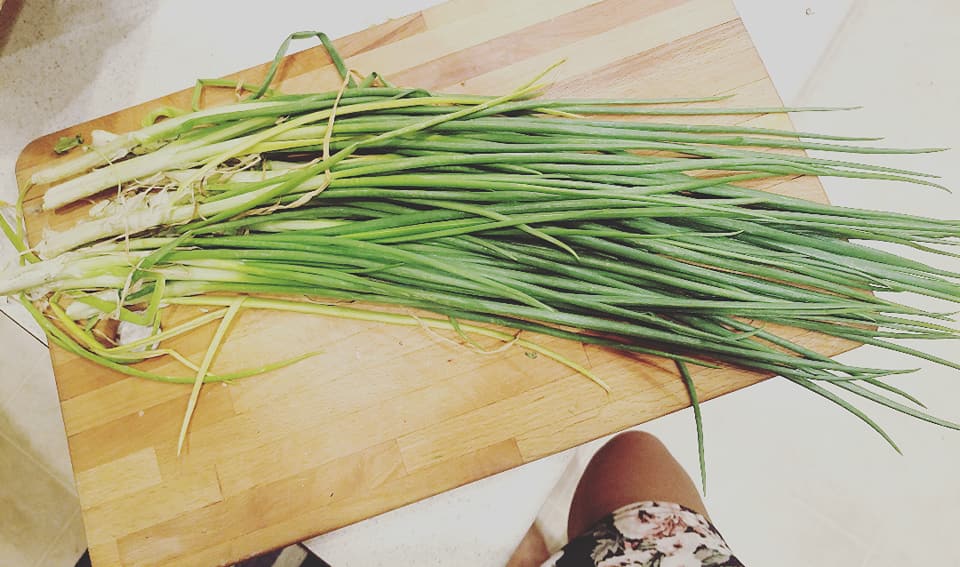
Growing leeks in containers provides so many benefits, especially for gardeners with limited space. Containers allow better control over soil quality, ensuring optimal conditions for leeks to thrive. They are also portable, making it easier to protect plants from harsh weather or pests by moving them indoors or to a sheltered spot.
Growing leeks in containers reduces the risk of soil-borne diseases, and their shallow root system makes them well-suited for container gardening. In addition to that, container gardening helps with water management, ensuring that leeks receive the right amount of moisture without over-saturation.
How to Grow Leeks in Pots
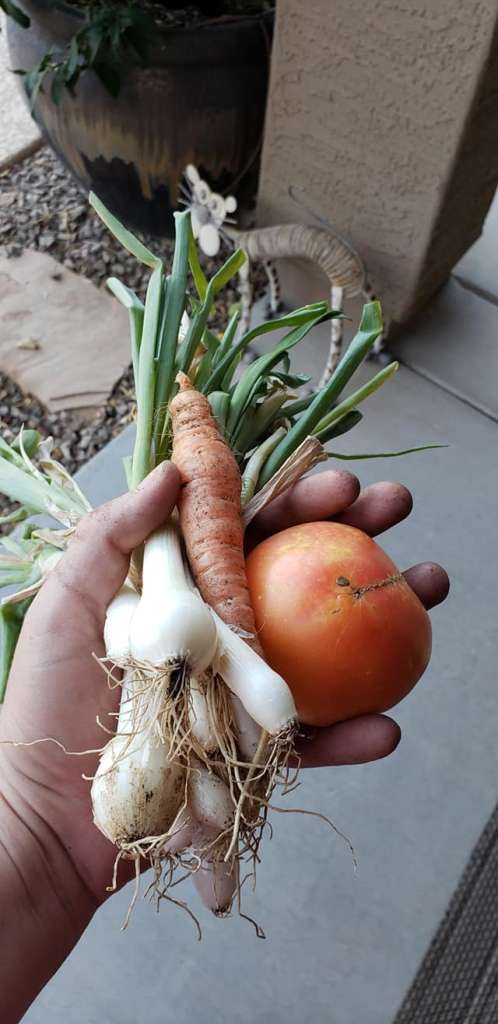
Leeks are extremely easy to grow in containers as long as you choose a deep pot with at least 12 inches of soil depth. They require regular watering and good drainage to thrive, making them a suitable choice for container gardening.
1. Choosing the Right Container
Leeks grow long, slender stems, so the container you choose should provide enough depth for the roots to develop properly.
- Container Depth: Leeks need a container that is at least 12 inches (30 cm) deep to accommodate their long root systems.
- Container Width: Ensure the container is wide enough to plant multiple leeks. Aim for about 6 inches (15 cm) of space per leek.
- Drainage: The container should have drainage holes at the bottom to prevent waterlogging, which can lead to root rot.
2. Selecting the Right Variety
Certain leek varieties are better suited for container growing due to their more compact growth habit.
- Recommended Varieties:
- ‘King Richard’: Early maturing and slightly smaller, making it ideal for containers.
- ‘Bandit’: A hardy variety that’s perfect for fall or winter harvests.
3. Preparing the Soil
Leeks prefer well-draining, fertile soil rich in organic matter. The soil should be loose enough to allow the leeks to grow long and straight.
- Soil Mix: Use a mix of potting soil and compost, aiming for a ratio of 70% potting soil to 30% organic compost.
- pH Level: Leeks prefer slightly acidic to neutral soil with a pH between 6.0 and 7.0. You can test your soil with a pH kit to ensure it’s suitable.
- Nutrient Boost: Add a slow-release fertilizer or well-rotted manure to enrich the soil before planting.
4. Sowing or Transplanting Leeks
Leeks can be started from seeds indoors or bought as seedlings for transplanting.
Starting from Seeds:
- When to Start: Sow seeds indoors 8–10 weeks before the last expected frost.
- How to Plant: Plant seeds in seed trays or small pots filled with seed-starting mix. Place them about ½ inch (1.25 cm) deep.
- Transplanting: When the seedlings are about 6–8 inches (15–20 cm) tall, they are ready for transplanting into the container.
Direct Transplanting:
- When to Transplant: Leeks can be transplanted outdoors once the soil temperature reaches at least 50°F (10°C).
- How to Transplant: Space the transplants 6 inches (15 cm) apart in rows, ensuring they are about 2–3 inches deep. You can plant them deeper than they were in the seed tray to encourage blanching (whitening) of the stems.
5. Watering and Mulching
Leeks need consistent moisture to grow strong and healthy. However, the soil should never be soggy.
- Watering Schedule: Water the container regularly, especially during dry spells. Keep the soil evenly moist but not waterlogged.
- Mulching: Add a layer of mulch around the base of the leeks to retain moisture, prevent weeds, and protect the shallow roots from temperature fluctuations.
6. Blanching the Stems
Blanching is a technique used to produce the tender white part of the leek by covering the stems to block sunlight.
- Mounding Soil: Gradually mound soil or compost around the base of the leeks as they grow, covering more of the stem. Start this process when the leeks are about 8 inches (20 cm) tall and continue adding soil every few weeks.
- Alternative Blanching: You can also use tubes made of paper or cardboard to cover the stems as they grow, preventing them from turning green.
7. Fertilizing During Growth
Leeks are heavy feeders and will benefit from additional feeding throughout the growing season.
- Fertilizer: Use a balanced fertilizer (10-10-10) every 4–6 weeks, or opt for a liquid feed like seaweed extract or fish emulsion every 2–3 weeks.
- Avoid Overfeeding: Too much nitrogen can result in overly leafy growth, so balance is key.
8. Pests and Diseases to Watch For
Leeks are relatively hardy but can suffer from a few common pests and diseases.
- Common Pests:
- Leek Moth: Small larvae that can damage the foliage. Cover the plants with fine mesh netting to prevent moths from laying eggs.
- Onion Fly: Larvae burrow into the stems, causing rot. Crop rotation and good sanitation practices can help.
- Diseases:
- Rust: A fungal disease that causes orange spots on the leaves. Ensure good air circulation and avoid overhead watering to prevent this.
- Downy Mildew: Causes yellowing of leaves in wet conditions. Improve drainage and avoid waterlogged soil.
9. Harvesting Leeks
Leeks take time to mature but can be harvested at various stages, depending on your preference.
- When to Harvest: Most leek varieties are ready to harvest 90–120 days after transplanting.
- Harvesting Technique: Use a garden fork or spade to gently lift the leeks out of the soil, being careful not to damage the stems.
- Staggered Harvest: If you’ve planted multiple leeks, harvest them over several weeks to enjoy a continuous supply.
10. Storing and Using Leeks
Once harvested, leeks can be stored for a decent amount of time if handled properly.
- Short-Term Storage: Store freshly harvested leeks in the refrigerator. They can last up to two weeks when loosely wrapped in a plastic bag.
- Long-Term Storage: Leeks can be frozen after blanching in boiling water for 2–3 minutes. Place them in airtight containers or freezer bags for up to 6 months.
FAQ
Leeks prefer well-drained, fertile soil that is rich in organic matter. A mix of compost and standard potting soil is great for leeks, ensuring the soil retains moisture but doesn’t become waterlogged.
The number of leeks depends on the size of your pot. You should space leeks about 4 inches (10 cm) apart, so for a large pot, you can plant around 4-6 leeks.
Leeks prefer consistently moist soil, but not soggy. Water your leeks regularly to keep the soil evenly moist, especially during dry spells or hot weather.
Leeks generally take 6-8 months to mature, depending on the variety and growing conditions. You can begin harvesting when they reach about 1 inch (2.5 cm) in diameter.
Sign up to get our FREE weekly emails
Gardening guides, tips, & videos delivered right to your inbox!