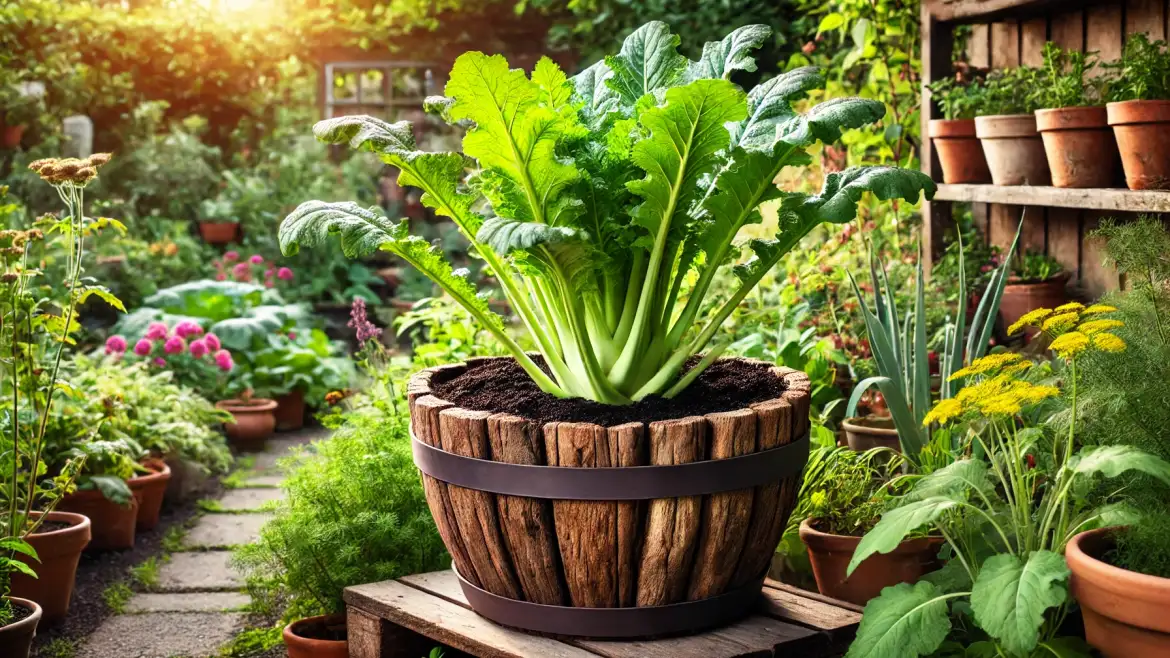
Growing horseradish in containers offers several benefits, especially for gardeners with limited space or challenging soil conditions. Containers allow you to control the soil quality, ensuring the plant has loose, nutrient-rich, and well-draining soil, which is ideal for its growth. This prevents the roots from becoming woody or malformed, as can happen in compacted or rocky ground.
Container gardening also minimizes the risk of pests and diseases that may be prevalent in the ground soil. Additionally, horseradish is a vigorous grower, and planting it in containers keeps its spreading nature in check, preventing it from taking over your garden.
Another significant advantage is the flexibility and mobility that containers provide. You can move the plants to optimize sunlight exposure, as horseradish thrives in full sun to partial shade. This is particularly useful in colder climates, where containers can be relocated indoors or to a sheltered area during frost.
Furthermore, harvesting horseradish from containers is easier and less invasive, as you can simply tip the container to access the roots without disturbing other plants. This method is also a great way to grow horseradish for urban gardeners or those without traditional garden space, allowing them to enjoy fresh, homegrown roots in their cooking.
Growing Horseradish in a Pot

Horseradish (Armoracia rusticana) is a hardy perennial plant known for its pungent and spicy roots. Growing horseradish in containers is an excellent option if you have limited garden space or want to keep the plant’s vigorous growth under control. This guide will take you through every step of successfully growing horseradish in containers.
1. Why Grow Horseradish in Containers?
- Control Overgrowth: Horseradish can spread aggressively in garden beds. Containers help confine its growth.
- Portability: You can move containers to optimize sunlight and protect the plant from extreme weather.
- Compact Space Solution: Suitable for patios, balconies, or small gardens.
2. Selecting the Right Container
- Size: Choose a deep container with a minimum depth of 24 inches and a diameter of at least 18 inches to accommodate the long taproots.
- Material: Use durable containers made of plastic, wood, or ceramic. Ensure it has drainage holes to prevent waterlogging.
3. Choosing the Right Soil
Horseradish thrives in well-draining, loamy soil with a pH between 6.0 and 7.5. Use the following mix:
- 2 parts potting soil
- 1 part compost for nutrients
- 1 part perlite or sand to improve drainage
4. Selecting and Preparing Root Cuttings
- Obtain Root Cuttings: Purchase horseradish crowns or root cuttings from a garden center or online.
- Preparation: Trim the root cuttings to 6–8 inches long. Ensure one end is tapered (root) and the other is blunt (top).
5. Planting Horseradish in Containers
- Fill the Container: Fill the container with the prepared soil mix, leaving 2 inches of space at the top.
- Plant the Cutting: Place the cutting at a 45-degree angle, with the tapered end pointing downward and the blunt end just below the soil surface.
- Cover with Soil: Lightly cover the root with 1–2 inches of soil.
6. Watering and Fertilizing
- Watering: Keep the soil consistently moist but not soggy. Water when the top inch of soil feels dry.
- Fertilizing: Apply a balanced, slow-release fertilizer (10-10-10) once a month during the growing season. Avoid excessive nitrogen, as it promotes leafy growth over root development.
7. Sunlight Requirements
Horseradish thrives in full sun but can tolerate partial shade. Place the container in a location that receives at least 6 hours of direct sunlight daily.
8. Maintenance and Care
- Weeding: Remove any weeds that appear in the container to reduce competition for nutrients.
- Pruning Leaves: Trim back any yellow or damaged leaves to maintain plant health.
- Pest Control: Watch for aphids, flea beetles, or whiteflies. Use insecticidal soap or neem oil if needed.
9. Harvesting Horseradish
- Timing: Harvest in late fall or early spring, approximately 10–12 months after planting.
- Procedure:
- Loosen the soil around the edges of the container.
- Gently pull out the plant and taproot.
- Remove side roots for replanting if desired.
10. Storing and Using Horseradish
- Storage:
- Store roots in the refrigerator for up to 3 months.
- Alternatively, grate the roots and mix with vinegar for long-term preservation.
- Culinary Uses: Use freshly grated horseradish as a condiment or ingredient in sauces, marinades, and dressings.
11. Troubleshooting Common Issues
- Yellow Leaves: May indicate overwatering or nutrient deficiency.
- Poor Root Growth: Ensure the plant gets enough sunlight and isn’t overcrowded in the container.
- Pests: Address infestations promptly to avoid damage to the leaves and roots.
12. Replanting for the Next Season
Horseradish is a perennial and will regrow if a portion of the root remains in the soil. To maintain a controlled harvest:
- Replant side roots from the previous harvest.
- Refresh the soil with compost and fertilizer before replanting.
FAQs
Yes! Horseradish thrives in pots and containers as long as they are large enough to accommodate its long roots. This is also a great way to control its growth since it can spread invasively in garden soil.
Water consistently to keep the soil moist but not waterlogged. Allow the top inch of soil to dry out slightly between waterings.
Horseradish takes about 10–12 months to mature, but you can start harvesting smaller roots after 6–8 months.
Harvest in late fall after the first frost. Gently dig out the plant, remove the larger roots for use, and replant smaller side roots for the next season.
Yes, horseradish is cold-hardy. You can leave the pot outside in mild climates or move it to a sheltered location. Mulch the soil surface to protect the roots from freezing.
While it’s possible to grow horseradish indoors, it’s challenging due to its need for full sun. Use a sunny windowsill or a grow light to supplement natural light.
Sign up to get our FREE weekly emails
Gardening guides, tips, & videos delivered right to your inbox!