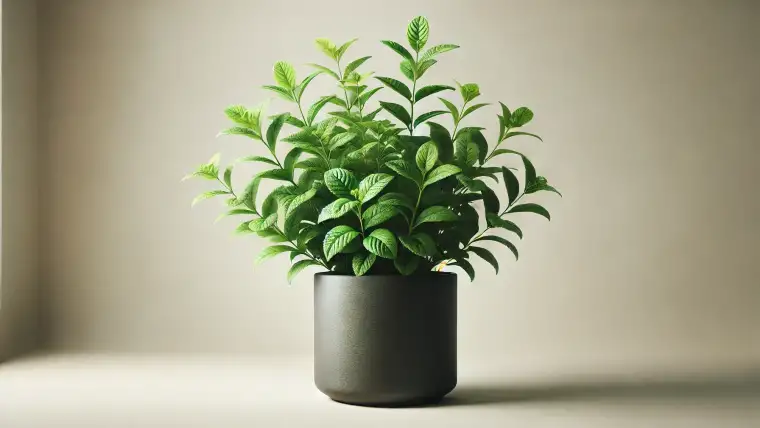
Growing honeyberries in pots offers several benefits, making it an attractive option for gardeners with limited space or less-than-ideal soil conditions. Potted honeyberries can thrive in small urban gardens, balconies, or patios, allowing you to enjoy fresh, nutrient-rich berries without the need for a large garden.
Containers provide greater control over the plant’s growing environment, enabling you to tailor soil composition, pH levels, and watering schedules to meet the plant’s specific needs. This setup also reduces the risk of pests, diseases, and invasive weeds commonly found in ground planting.
In addition to all of that, pots can be easily moved to optimize sunlight exposure or protect the plants from extreme weather conditions. Growing honeyberries in pots is a flexible and manageable way to cultivate this hardy and productive plant, making it accessible for gardeners of all skill levels.
Growing Honeyberries in a Pot

Honeyberries (Lonicera caerulea), they are often referred to as Haskap berries, are a hardy and delicious fruit-bearing shrub that thrives in containers. Their compact size, ability to adapt to various climates, and high tolerance to cold make them an excellent choice for pot gardening. Here we provide you with a step-by-step guide to successfully growing honeyberries in pots.
1. Choosing the Right Variety
Honeyberries/Haskap come in several varieties, and choosing the right one for your climate and space is crucial.
- Popular Varieties for Containers:
- ‘Indigo Gem’
- ‘Tundra’
- ‘Aurora’
- ‘Borealis’
- Pollination Requirements: Honeyberries are not self-pollinating. You’ll need at least two different varieties that bloom at the same time for successful fruiting.
2. Selecting the Right Container
Honeyberries have shallow root systems, so they don’t need overly deep pots, but width is important.
- Container Size: A pot with a diameter of at least 18-24 inches and a depth of 12-18 inches is ideal.
- Material: Use breathable materials like terracotta, plastic, or fabric pots with good drainage.
- Drainage: Ensure the container has drainage holes to prevent root rot.
3. Soil and Planting Mix
Honeyberries prefer well-draining, slightly acidic soil.
- Soil Mix Recipe:
- 60% potting soil
- 30% compost or aged manure
- 10% perlite or coarse sand
- Optional: Add peat moss or pine bark to increase acidity (pH 5.5-6.5 is ideal).
- Planting Steps:
- Fill the container with the soil mix, leaving space for the plant’s root ball.
- Dig a hole large enough to accommodate the root ball.
- Place the honeyberry plant in the hole, ensuring the crown is level with the soil surface.
- Backfill the soil gently and water thoroughly.
4. Watering and Fertilizing
Honeyberries prefer consistent moisture but should not sit in waterlogged soil.
- Watering:
- Keep the soil evenly moist, especially during the growing season.
- Reduce watering in the winter when the plant is dormant.
- Fertilizing:
- Apply a balanced fertilizer (10-10-10) in early spring before new growth.
- Add compost or organic mulch to maintain soil fertility.
5. Sunlight and Temperature
Honeyberries thrive in cool climates and full sun.
- Sunlight: Position the pot where the plant receives 6-8 hours of direct sunlight daily.
- Temperature: Honeyberries are cold-hardy and can tolerate temperatures as low as -40°F (-40°C). They thrive in cooler spring and summer conditions.
6. Pruning and Maintenance
Regular pruning ensures healthy growth and optimal fruit production.
- Pruning Tips:
- Remove dead, damaged, or crossing branches in late winter or early spring.
- Thin out dense growth to improve air circulation.
- Prune older canes (over 3-4 years old) to encourage new growth.
- Mulching:
- Apply a layer of organic mulch, such as straw or wood chips, to retain moisture and regulate soil temperature.
7. Pollination and Fruiting
Honeyberries require cross-pollination for fruit production.
- Encourage Pollinators:
- Place the pots near pollinator-friendly plants.
- Avoid using pesticides during blooming.
- Blooming Season:
- Flowers typically bloom in early spring. Ensure both varieties are close for effective pollination.
8. Pests and Diseases
Honeyberries are relatively pest and disease-resistant, but some issues may arise.
- Common Pests: Aphids and spider mites.
- Control with insecticidal soap or neem oil.
- Diseases: Powdery mildew or root rot.
- Avoid overwatering and provide good airflow around the plant.
9. Harvesting and Storage
Honeyberries are typically ready to harvest in late spring to early summer.
- Signs of Ripeness:
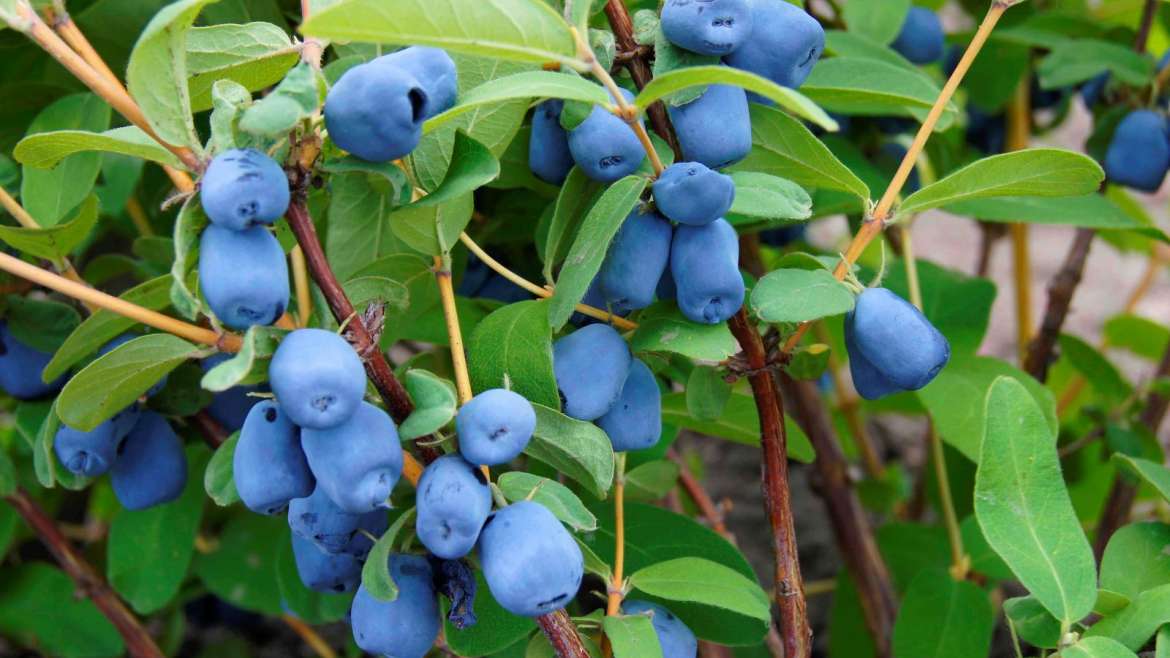
- Berries turn deep blue.
- Fruit feels slightly soft to the touch.
- Harvesting:
- Gently pluck the berries by hand or shake the plant over a collection mat.
- Storage:
- Fresh berries last 1-2 weeks in the refrigerator.
- Freeze or dry for longer storage.
10. Winter Care
Honeyberries go dormant in the winter and require minimal care.
- Winterizing Pots:
- Insulate pots by wrapping them with burlap or moving them to a sheltered area.
- Reduce watering significantly but don’t let the soil completely dry out.
FAQ
Yes, honeyberries can thrive in containers, provided the containers are large enough and the plants receive proper care.
Yes, they are cold-hardy, but their roots are more exposed in containers. Protect the plants by moving containers to a sheltered area, mulching the soil surface, or wrapping the container in insulation.
Sign up to get our FREE weekly emails
Gardening guides, tips, & videos delivered right to your inbox!