

Growing blueberries in containers offers so many benefits, making it a popular choice for gardeners and small-space enthusiasts. Container gardening allows you to control soil pH precisely, providing the acidic conditions (pH 4.5-5.5) blueberries thrive in, which may be challenging to achieve in native soil. Containers also protect plants from soil-borne diseases and pests, ensuring healthier growth.

In addition to all of that, growing blueberries in pots makes them portable, enabling you to move them for optimal sunlight exposure or to protect them during harsh weather conditions. This method is ideal for urban gardening, as it requires minimal space and can enhance patios or balconies. With proper care, container-grown blueberries can yield abundant harvests while adding beauty and utility to small gardens.
How to Grow Blueberries in a Pot?
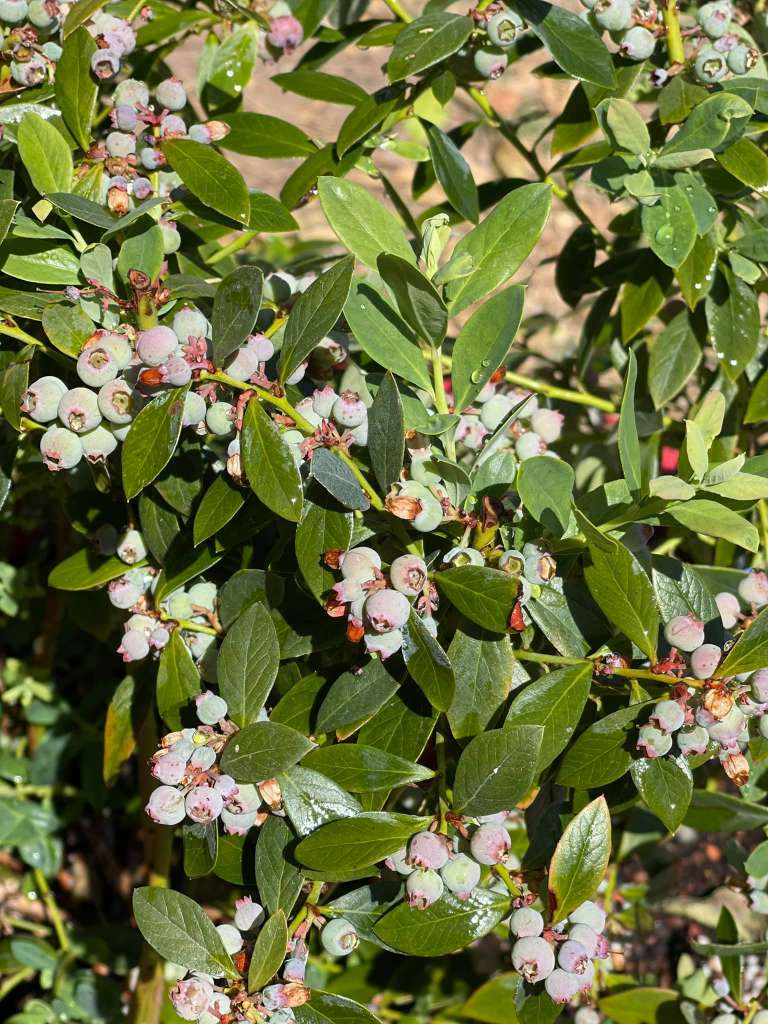
Growing blueberries in containers is an excellent option for gardeners with limited space or less-than-ideal soil conditions. Blueberries are not only delicious and nutritious but also make attractive potted plants.
We have prepared this guide that will walk you through the process of growing blueberries in containers, from selecting the right variety to maintaining healthy plants.
Step 1: Choose the Right Blueberry Variety
Not all blueberry varieties are well-suited for container gardening. Look for compact, dwarf, or half-high varieties that thrive in small spaces. Popular choices include:
- Top Hat
- Sunshine Blue
- Jelly Bean
- Patriot
- Bluecrop
Step 2: Select the Right Container
Blueberries require deep, wide containers to accommodate their roots and provide adequate drainage. Here’s what to consider:
- Size: At least 17 inches deep and 20-24 inches wide.
- Material: Choose containers made from plastic, ceramic, or wood. Avoid metal containers, as they can overheat the roots.
- Drainage: Ensure the pot has multiple drainage holes to prevent waterlogging.
Step 3: Choose the Right Soil
Blueberries thrive in acidic soil with a pH between 4.5 and 5.5. Regular garden soil is usually too alkaline and compact for blueberries. Use a mix of:
- 50% peat moss
- 30% pine bark mulch or fine pine bark
- 20% perlite or sand
Alternatively, purchase pre-mixed acidic potting soil formulated for acid-loving plants like rhododendrons or azaleas.
Step 4: Planting Blueberries
Materials Needed:
- Blueberry plant
- Container
- Acidic potting mix
- Water
Steps:
- Fill the Container: Fill the container two-thirds full with your acidic soil mix.
- Position the Plant: Gently remove the blueberry plant from its nursery pot, being careful not to damage the roots.
- Place in the Container: Position the plant so the top of the root ball is about 1 inch below the container’s rim.
- Backfill: Fill around the root ball with soil, pressing gently to eliminate air pockets.
- Water Thoroughly: Water the plant until the excess drains out the bottom of the container.
Step 5: Provide Proper Light and Temperature
- Light: Blueberries need at least 6-8 hours of full sun daily. Place the container in a sunny spot like a patio or balcony.
- Temperature: Blueberries are cold-hardy but benefit from protection during harsh winters. Move the container to a sheltered area or insulate it with bubble wrap or straw.
Step 6: Watering and Feeding
- Watering: Blueberries need consistently moist soil. Water deeply when the top inch of soil feels dry, but avoid overwatering.
- Feeding: Use an acidic fertilizer, such as one formulated for azaleas or rhododendrons. Apply fertilizer in early spring and after the first harvest, following package instructions.
Step 7: Pruning and Maintenance
- Pruning: Prune annually during late winter or early spring to remove dead or damaged branches. Thin out the center of the plant to improve air circulation.
- Mulching: Add a 2-3 inch layer of mulch, like pine needles or bark, to retain soil moisture and suppress weeds.
Step 8: Pollination
Blueberries are self-pollinating, but planting more than one variety can increase yields and improve fruit size.
This is why we highly recommend planting at least two different varieties next to each other. Ensure the varieties bloom at the same time.
Step 9: Managing Pests and Diseases
Common issues include:
- Birds: Protect your berries with netting.
- Pests: Watch for aphids, spider mites, and blueberry maggots. Use insecticidal soap or neem oil if necessary.
- Diseases: Avoid overwatering to prevent root rot. Good airflow and pruning reduce the risk of fungal diseases.
Step 10: Harvesting
Blueberries typically ripen in late spring to early summer. Harvest when the berries are deep blue and detach easily from the stem of the plant. Pick every few days to ensure a continuous yield.
Step 11: Repotting
Every 2-3 years, repot your blueberry plant into a slightly larger container with fresh acidic soil. This prevents the roots from becoming cramped and ensures continued productivity.
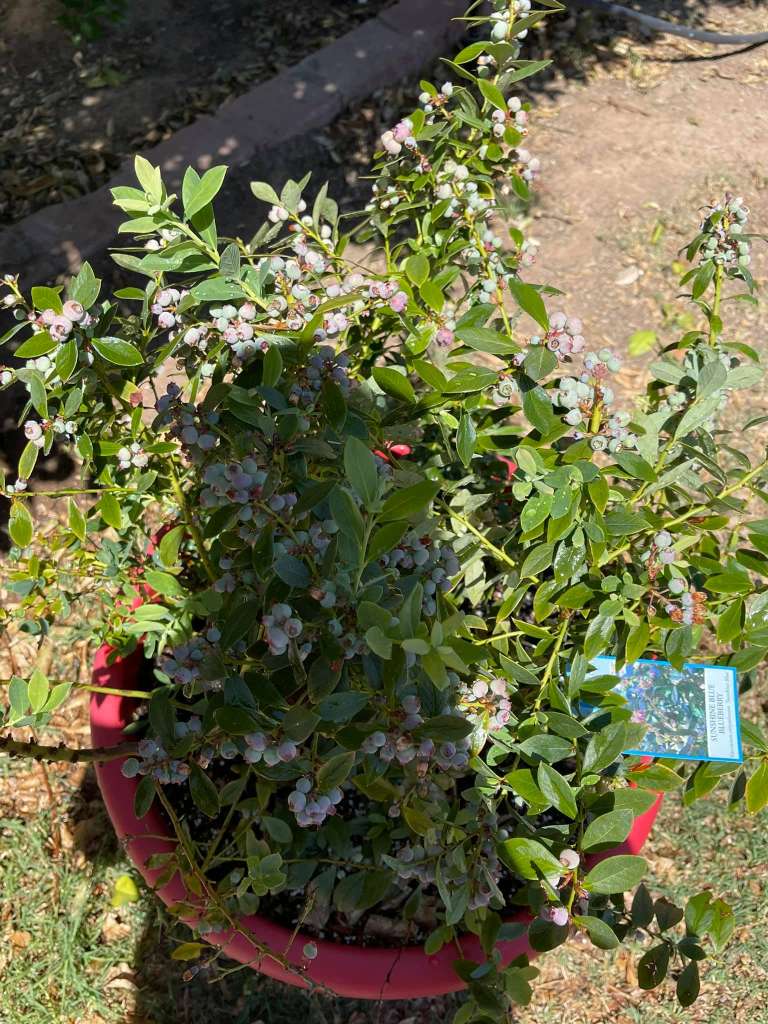
FAQ
Sure thing, blueberries thrive in pots if provided with the right soil, care, and conditions. Growing them in containers is an excellent option for small spaces or for controlling soil quality.
Blueberries prefer acidic soil with a pH between 4.5 and 5.5.
Water consistently to keep the soil moist but not waterlogged. Blueberries are sensitive to drought and overwatering. Check the soil moisture regularly, especially in hot weather.
It’s better to plant one blueberry bush per pot. However, to improve pollination and fruit yield, grow two or more different varieties in separate pots.
Blueberries usually begin producing fruit in their 2nd or 3rd year. Established plants typically bear fruit in late spring to midsummer, depending on the variety.
With proper care, a blueberry plant can thrive in a pot for 10-20 years. Repot every 2-3 years to refresh the soil and accommodate root growth.
Sign up to get our FREE weekly emails
Gardening guides, tips, & videos delivered right to your inbox!


