

Guava. Quirky name, but what a fruit. If you’ve never tasted one, picture a tropical mango and a tart apple teaming up to create a flavor explosion. It’s got that sweet, aromatic juiciness that’s the perfect balance between tropical indulgence and a zesty kick. Bite into it, and you’ll instantly know why guavas are a top-tier fruit in so many cultures.
They typically flower in spring, ripen in late summer to early fall, and are surprisingly hardy—no need to coddle them to get that perfect burst of flavor. But here’s the catch: while they can thrive in a variety of climates, don’t expect them to be the easiest tree to grow right off the bat. They like well-drained soil, plenty of sunshine, and a little patience while they establish themselves.
And the tree itself? Oh, it’s a beauty—lush, broad leaves that almost make you feel like you’re in a rainforest, and the fruits hang in clusters like tropical jewels. You can even use its leaves for tea—because why not make everything about guava a little more luxurious?
Guavas are rich in vitamin C, fiber, and antioxidants, making them a nutritious addition to any diet. They can be eaten fresh, juiced, or used in a variety of culinary dishes, including desserts, jams, and salads.
Growing guavas is relatively easy in warm climates, and they can thrive in various soil types, provided they receive ample sunlight and water. With their sweet and tangy taste, guavas are a delightful and healthy fruit enjoyed by people around the world.
How to Grow Guava Trees
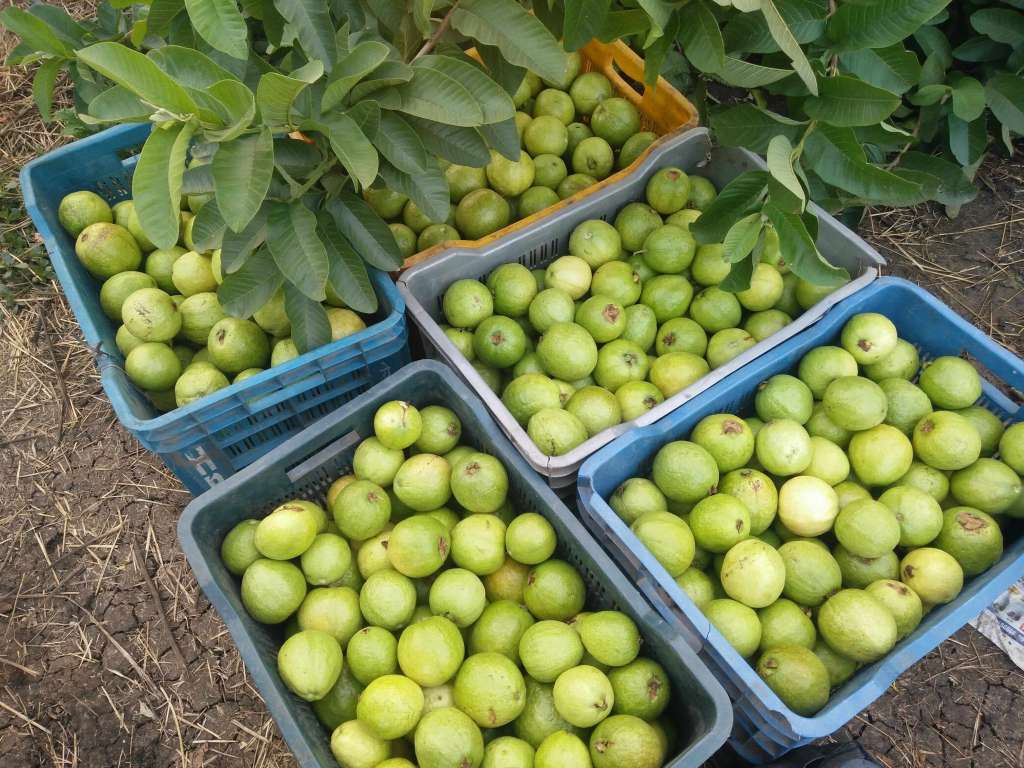
Growing guavas can be a rewarding experience as Guava trees produce delicious and nutritious fruit. Below is a comprehensive guide to help you grow guava trees successfully.
Planting Guava Trees
1. Choosing the Right Location
- Sunlight: Guava trees need full sun for optimal growth. Choose a location that receives at least 6-8 hours of direct sunlight daily
- Soil: Guava trees prefer well-draining soil with a pH level between 5 and 7. Sandy or loamy soils are ideal
- Space: Ensure enough space for the tree to grow. Guava trees can grow up to 20 feet tall and wide, so plant them at least 10-15 feet apart
2. Planting
- Digging the Hole: Dig a hole twice as wide and as deep as the root ball
- Soil Preparation: Mix the dug-out soil with compost or organic matter to improve fertility and drainage
- Planting the Tree: Place the guava tree in the hole, ensuring that the root ball is level with the ground surface. Fill the hole with the amended soil, and gently firm it around the base
- Watering: Water the tree thoroughly after planting to settle the soil and eliminate air pockets
Growing Guavas
1. Watering
- Frequency: Water young guava trees regularly to keep the soil moist but not waterlogged. Established trees need less frequent watering.
- Method: Use a drip irrigation system or soaker hose to ensure deep watering and promote deep root growth.
2. Fertilizing
- Timing: Fertilize guava trees three to four times a year—early spring, late spring, summer, and fall
- Type: Use a balanced fertilizer (e.g., 10-10-10) or a fertilizer specifically formulated for fruit trees. Apply according to the manufacturer’s instructions
3. Pruning
- Purpose: Prune to remove dead or diseased branches, improve air circulation, and shape the tree
- Timing: Prune guava trees in late winter or early spring before new growth begins
- Method: Remove any suckers or water sprouts and thin out crowded branches. Cut back to healthy wood and shape the tree as desired
Caring for Guava Trees
1. Mulching
- Purpose: Mulching helps retain soil moisture, suppress weeds, and regulate soil temperature
- Material: Use organic mulch like straw, wood chips, or compost
- Application: Apply a 2-4 inch layer of mulch around the base of the tree, keeping it a few inches away from the trunk to prevent rot
2. Pest and Disease Control
- Common Pests: Aphids, fruit flies, and scale insects can affect guava trees. Use insecticidal soap or neem oil to control infestations
- Common Diseases: Guava trees can be susceptible to root rot, anthracnose, and powdery mildew. Ensure proper spacing, adequate air circulation, and avoid overwatering to prevent diseases. Fungicides may be necessary for severe cases
3. Harvesting
- Timing: Guava fruits are usually ready to harvest 3-4 months after flowering. They should be firm and slightly soft to the touch
- Method: Pick guavas by hand when they change color (depending on the variety) and emit a fragrant aroma
Guava Growing Zone
- Guava trees typically thrive in USDA hardiness zones 9 through 12. These zones provide the warm temperatures and frost-free conditions that guava trees need to grow successfully
Growing Guavas FAQ
Guavas are tropical and subtropical fruits that thrive in warm climates. They are native to Central America. Today, guavas are cultivated in many parts of the world, including India, Southeast Asia, the Caribbean, and parts of Africa.
Guava plants require full sun to produce the best fruit. They need at least 6 to 8 hours of direct sunlight daily.
Young guava plants need to be watered regularly to establish their roots. Once established, they are drought-tolerant but will produce better fruit with regular watering. Water deeply once a week, ensuring the soil is moist but not waterlogged.
Guava trees typically start bearing fruit 2 to 4 years after planting. However, this can vary depending on the variety and growing conditions.
Yes, guava trees can be grown in containers. Choose a large container with good drainage, and use a high-quality potting mix.
Guavas are ready to harvest when they change color from green to yellow, and they give off a fragrant aroma. The fruit should be slightly soft to the touch. Harvest by gently twisting or cutting the fruit from the tree.
Some popular varieties for home gardens include ‘Tropical White’, ‘Ruby Supreme’, ‘Redland’, and ‘Mexican Cream’. Choose a variety that suits your climate and taste preferences.
Guavas can be propagated from seeds, cuttings, or air layering. Seed propagation takes longer and may not produce true-to-type plants. Cuttings and air layering are more reliable methods for producing clones of the parent plant.
Guava trees typically produce fruit in the warm season, with the specific timing depending on the climate and location. In tropical and subtropical regions, guava trees can bear fruit year-round. However, in areas with distinct seasons, guava trees usually produce fruit from late spring to early fall.
Sign up to get our FREE weekly emails
Gardening guides, tips, & videos delivered right to your inbox!


1 Comment
OGGardenGrower
Have you ever considered the ethical implications of growing guavas in regions where water scarcity is a significant issue? Is it responsible to cultivate water-intensive crops like guavas in these areas, or should resources be prioritized for more essential food crops?