
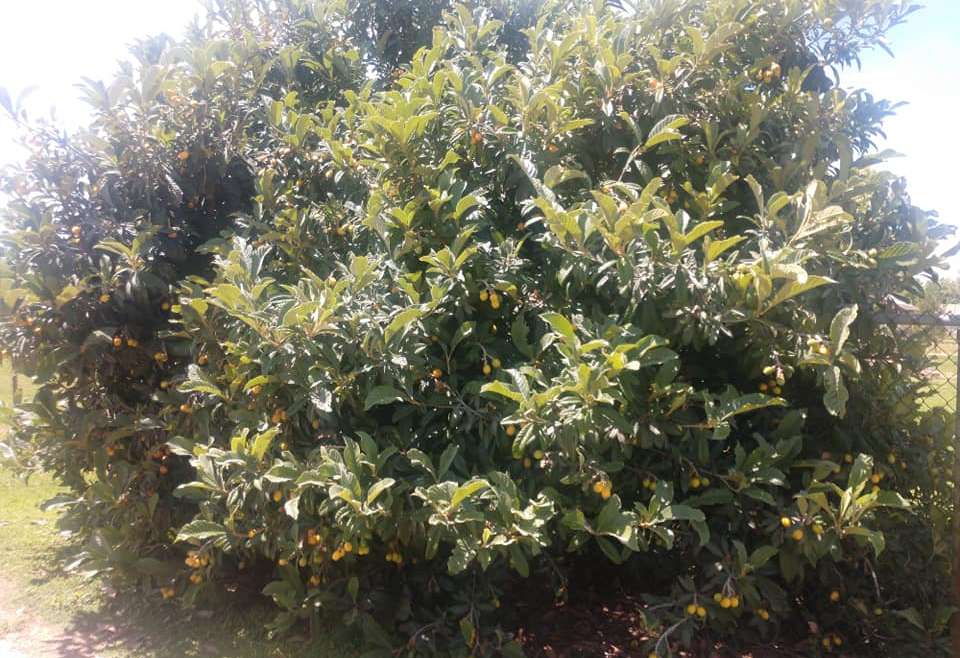
Loquats are tropical fruit trees known for their delicious, tangy fruit and lush, evergreen foliage. Native to southeastern China, loquats thrive in warm climates and are grown for both their ornamental appeal and their fruit.
Companion planting, the practice of growing different plants together that benefit each other, is a technique that can help improve the growth, health, and productivity of loquats.
In this guide, we’ll explore why companion planting is beneficial for loquats, the best companion plants to pair with them, plants to avoid, and some useful tips to maximize the benefits of companion planting.
Why You Should Consider Companion Planting for Loquats

Companion planting offers numerous advantages for your loquat tree, enhancing its overall health and productivity. This natural gardening technique can lead to a more sustainable garden, as it promotes a diverse ecosystem that can resist pests and diseases, encourages pollination, and even improves soil quality.
Loquats, though relatively hardy, can benefit from the right companion plants in several ways. The ideal companion plants can act as natural pest deterrents, providing a protective environment around the loquat.
They can also help with soil health by fixing nitrogen or attracting beneficial insects that support the tree’s growth. Additionally, companion planting can help optimize space in your garden, ensuring that the loquat tree’s requirements for sunlight, water, and nutrients are met without overwhelming the space.
But, just like humans, loquats have preferences when it comes to their neighbors. Some plants may compete with loquats for vital resources, while others might not be conducive to their growth. The key to successful companion planting lies in understanding the specific needs of loquats and selecting plants that complement rather than compete with them.
Best Companion Plants for Loquats
When it comes to companion planting with loquats, it’s important to choose plants that will both thrive in similar conditions and provide mutual benefits. Here are some of the best companion plants for loquats:
1. Nasturtiums
Nasturtiums are an excellent choice for companion planting near loquats. Known for their vibrant, edible flowers and leaves, nasturtiums are particularly beneficial because they act as a natural pest repellent. They attract aphids, whiteflies, and other pests away from your loquat tree.
Their flowers also attract pollinators like bees, helping to boost fruit production. Additionally, nasturtiums are excellent at providing ground cover, which can help reduce soil erosion and keep the area around the loquat tree cool.
2. Marigolds
Marigolds are another great companion for loquats, known for their ability to deter a wide range of pests. Their strong scent repels harmful insects such as nematodes, aphids, and whiteflies. Marigolds also attract beneficial insects, such as ladybugs and predatory beetles, which help keep pests under control.
In addition to their pest-repelling properties, marigolds add a burst of color to your garden, making them a visually appealing companion for loquats.
3. Comfrey
Comfrey is a perennial herb that is beneficial to loquats in several ways. It’s known for its deep roots, which help to break up compacted soil and bring up nutrients from the deeper layers, making them available to other plants.
Comfrey’s leaves can be used as mulch or compost, providing a steady supply of organic matter that helps enrich the soil. It also attracts pollinators and beneficial insects, further supporting a healthy garden environment.
4. Lavender
Lavender is a fragrant, drought-tolerant herb that pairs well with loquats. Its strong scent deters many common pests, including mosquitoes and flies, which can be an issue for loquat trees. Lavender also attracts pollinators like bees, enhancing the chances of successful fruit set on your loquat tree.
Its ability to thrive in similar conditions of sun and well-drained soil makes it an excellent companion plant for loquats, and its beauty adds to the aesthetic appeal of the garden.
5. Alliums
Alliums, including garlic, onions, and chives, are great companions for loquats due to their natural ability to repel pests. The strong smell of alliums can deter insect pests like aphids and spider mites, which are common threats to loquat trees.
Additionally, these plants help improve soil health by acting as a natural fungicide, which can be beneficial for preventing diseases that may affect the loquat. Their upright growth habit allows them to be planted near loquats without interfering with the tree’s canopy.
6. Legumes
Legumes like peas, beans, and lupins are nitrogen-fixing plants, meaning they can help improve the soil by converting atmospheric nitrogen into a form that plants can use. By planting legumes near your loquat, you can enhance the soil’s fertility and promote healthy tree growth.
Legumes also help improve soil structure by increasing organic matter, making the soil more hospitable for the loquat tree’s roots. Just be sure to plant them in a way that doesn’t overshadow the loquat tree, as they might compete for sunlight.
Plants to Avoid Planting Near Loquats

While companion planting can be highly beneficial, it’s just as important to know which plants to avoid near loquats. Some plants compete for the same resources, such as water, nutrients, and sunlight, which can negatively impact the growth of your loquat tree. Here are some plants to steer clear of:
1. Citrus Trees (Citrus spp.)
Citrus trees and loquats have similar growing requirements, but they can compete for resources like water and nutrients. Additionally, loquats and citrus trees are susceptible to similar pests and diseases, which can make them more vulnerable when planted close together. It’s best to avoid planting them in the same area to reduce the risk of disease transmission and to give each tree the space it needs to thrive.
2. Eucalyptus Trees (Eucalyptus spp.)
Eucalyptus trees are known for their allelopathic properties, meaning they release chemicals that inhibit the growth of nearby plants. These trees can deprive loquats of essential nutrients and water, making it difficult for the loquat to thrive. It’s best to keep eucalyptus trees at a distance from loquats to ensure that both plants have enough resources to grow and flourish.
3. Nightshades (Solanum spp.)
Nightshades, such as tomatoes, potatoes, and eggplants, belong to the same plant family as loquats (Rosaceae) but are more prone to attracting pests like aphids and caterpillars. Planting nightshades near loquats can increase the likelihood of pest infestations, which can weaken both types of plants. These plants can also compete for nutrients in the soil, so it’s best to avoid planting them in close proximity to loquats.
Tips for Growing Companion Plants with Loquats
To ensure the success of your loquat and companion plants, follow these tips:
1. Plan for Space
Loquat trees can grow quite large, with a wide canopy and deep roots. When selecting companion plants, be sure to consider their mature size. Avoid planting tall or large plants directly under the loquat tree’s canopy, as they may compete for sunlight or water.
2. Watering and Soil Considerations
Loquats require well-drained soil and regular watering, especially in dry conditions. Be mindful of the watering needs of your companion plants, and try to select plants that have similar water requirements. Avoid companion plants that are overly drought-tolerant or overly thirsty, as they may stress the loquat tree.
3. Mulch Around the Base
Mulching around the base of your loquat tree can help retain moisture, suppress weeds, and improve soil health. Use organic mulch, like wood chips or leaves, to create a healthy growing environment for both your loquat and its companions.
4. Rotate Your Crops
If you are growing annuals alongside your loquat tree, consider practicing crop rotation to prevent soil depletion and pest buildup. Rotating companion plants from year to year ensures that the soil remains fertile and free from pests that might affect the loquat.
Conclusion
Companion planting is a wonderful technique that can help improve the health and productivity of loquat trees. By selecting the right companion plants, you can create a thriving garden that benefits not only your loquats but also the surrounding plants.
Regardless if you’re looking to deter pests, improve soil health, or enhance pollination, there are many companion plants that can support your loquat tree’s growth. Be sure to avoid plants that compete with your loquats for resources and take care to create a balanced environment where all your plants can thrive. Happy planting!
Sign up to get our FREE weekly emails
Gardening guides, tips, & videos delivered right to your inbox!


