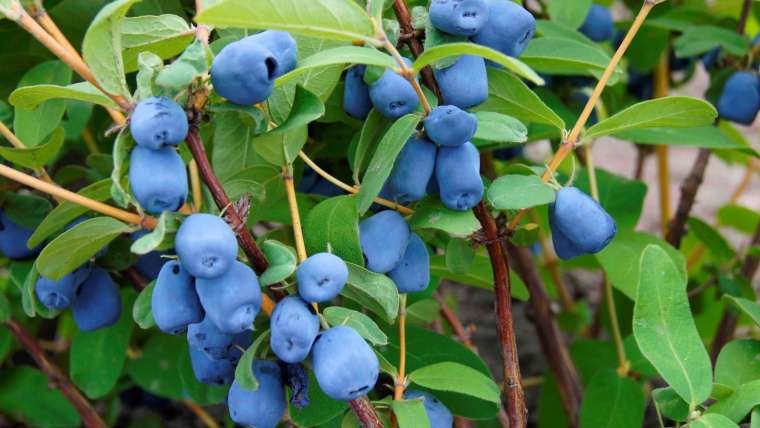
Growing gooseberries in containers got numerous benefits, particularly for gardeners with limited space or challenging soil conditions. Containers provide excellent control over soil quality, ensuring optimal nutrients and pH levels for healthy growth. They allow for easier pest and disease management, as plants can be moved to more protected areas if needed.
Also, container gardening makes it convenient to relocate the plants for better sunlight exposure or during extreme weather conditions. Gooseberries thrive well in pots, making them ideal for patios, balconies, or small urban gardens. This method also simplifies harvesting and pruning, enhancing accessibility and overall plant care.
Growing Gooseberries in Pots

Gooseberries are a rewarding fruit to grow, even if you have limited space. With their tart flavor and high vitamin content, they are a great addition to any home garden. Growing them in containers allows for portability and easier maintenance. This guide walks you through the steps for successfully growing gooseberries in containers.
1. Selecting the Right Gooseberry Variety
Gooseberries come in a variety of types, and selecting the right one is critical for container gardening.
Recommended Varieties:
- Hinnonmaki Red: Sweet and tart flavor; compact growth.
- Invicta: High-yielding, disease-resistant.
- Pixwell: Thornless and adaptable to small spaces.
- Whinham’s Industry: Great for cooking, with a sweet taste when ripe.
2. Choosing the Right Container
The size and material of your container significantly affect the growth of your gooseberry plant.
Container Requirements:
- Size: At least 16–20 inches in diameter and depth. Gooseberries have a deep root system that needs room to spread.
- Material: Terracotta, plastic, or wooden barrels work well. Ensure the container has drainage holes to prevent waterlogging.
- Mobility: Consider using containers with wheels if you plan to move the plant.
3. Preparing the Soil
Gooseberries prefer rich, well-drained soil that retains moisture.
Soil Mix:
- Composition: Mix equal parts garden soil, compost, and perlite or sand for drainage.
- pH Level: Slightly acidic to neutral (pH 6.0–7.0) is ideal.
- Fertilization: Add a slow-release organic fertilizer or well-rotted manure during planting.
4. Planting Gooseberries
Proper planting ensures healthy growth and a good harvest.
Steps:
- Timing: Plant gooseberries in early spring or late autumn when the plant is dormant.
- Pruning Before Planting: Trim any damaged roots and cut back the top growth to about 6 inches.
- Planting Depth: Set the plant slightly deeper than it was in its nursery pot. This encourages more shoots to grow from the base.
- Spacing: If planting multiple containers, keep them at least 3–4 feet apart to allow airflow and sunlight.
5. Watering and Feeding
Consistent watering and proper feeding are essential for container-grown gooseberries.
Watering:
- Keep the soil moist but not waterlogged. Water when the top inch of soil feels dry.
- Increase watering during hot summer months or when the plant is fruiting.
Feeding:
- Feed with a balanced liquid fertilizer (10-10-10) every two weeks during the growing season.
- Top-dress with compost or well-rotted manure in early spring.
6. Position and Light Requirements
Gooseberries thrive in a balance of sunlight and shade.
- Sunlight: Place the container where it will receive 4–6 hours of sunlight daily.
- Protection: Gooseberries can tolerate some shade, but avoid deep shade. In hot climates, provide afternoon shade to prevent heat stress.
7. Pruning and Maintenance
Regular pruning keeps the plant healthy and productive.
How to Prune:
- Timing: Prune in late winter or early spring before new growth appears.
- Method: Remove weak, dead, or damaged branches. Focus on creating an open, vase-like structure to improve airflow and light penetration.
- Annual Maintenance: Cut back the previous year’s growth by one-third to encourage fruiting.
8. Supporting and Protecting the Plant
Gooseberries may require additional support and protection.
Support:
- Use stakes or a small trellis to support the branches, especially when they are heavy with fruit.
Pest and Disease Management:
- Common Pests: Aphids, sawfly larvae, and spider mites. Treat with insecticidal soap or neem oil.
- Diseases: Powdery mildew can affect gooseberries. Ensure good airflow and avoid overhead watering.
- Bird Protection: Use netting to protect ripening fruit from birds.
9. Harvesting Gooseberries
The key to enjoying gooseberries is harvesting at the right time.
- Timing: Gooseberries ripen in late spring to early summer, depending on the variety.
- How to Harvest: Pick berries when they are plump and slightly soft to the touch. For sweeter berries, wait until they change color (red, yellow, or green, depending on the variety).
- Frequency: Harvest over several weeks as the fruit matures.
10. Overwintering the Plant
Gooseberries are hardy, but container plants require extra care in winter.
Steps:
- Move Indoors: Place the container in a cool, frost-free location like a garage or shed.
- Mulch: Add a layer of straw or mulch on top of the soil to insulate the roots.
- Watering: Reduce watering frequency during dormancy but ensure the soil doesn’t dry out completely.
11. Common Challenges and Solutions
Leggy Growth:
- Cause: Insufficient sunlight.
- Solution: Relocate the container to a sunnier spot.
Yellow Leaves:
- Cause: Overwatering or nutrient deficiency.
- Solution: Check drainage and feed the plant as recommended.

FAQ
Yes, gooseberries are well-suited to container growing as long as they have enough space for their roots and are provided with the right conditions.
Keep the soil moist but not waterlogged. Water more frequently in hot weather but allow the top inch of soil to dry slightly between waterings.
Gooseberries usually produce fruit in their second year of growth, typically ripening in late spring to early summer.
Yes, gooseberries are hardy, but potted plants are more vulnerable to cold. To protect the roots,
move the pot to a sheltered area.
With proper care, gooseberry plants can thrive and produce fruit for 10–15 years.
It’s best to grow only one plant per pot to ensure adequate space for root growth and nutrients.
Sign up to get our FREE weekly emails
Gardening guides, tips, & videos delivered right to your inbox!