
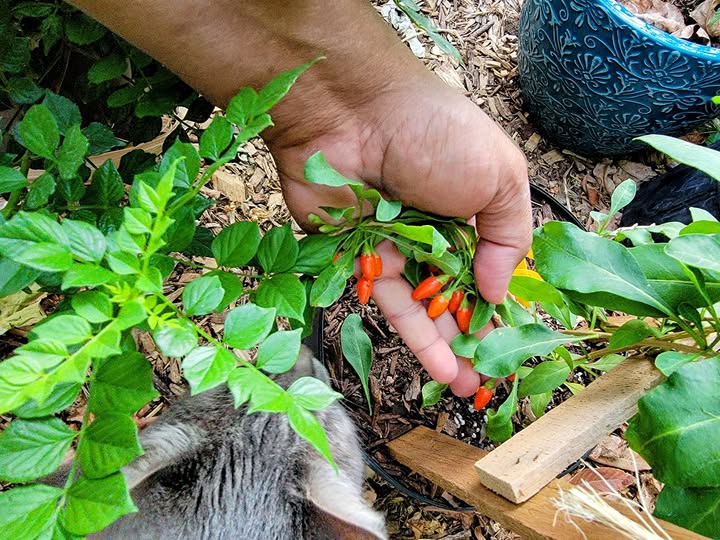
Growing goji berries in containers offers several advantages, particularly for gardeners with limited space or challenging climates. Containers provide control over soil quality, drainage, and pH levels, creating the ideal growing conditions for these nutrient-rich berries. They can be easily moved to optimize sun exposure, protect against extreme weather, or overwinter indoors in colder regions.

Container gardening also minimizes the risk of soil-borne diseases and pests, reducing the need for chemical treatments. Additionally, the compact size of goji berry plants makes them well-suited for patios, balconies, or urban gardens, enabling growers to enjoy fresh, antioxidant-packed berries even in small spaces.
Growing Goji Berries in Pots

Goji berries, also known as wolfberries, are nutrient-packed fruits native to Asia. They’re renowned for their antioxidants and health benefits, making them an attractive option for home gardeners. Growing goji berries in containers is a practical solution for those with limited space. Check out how to do it.
Step 1: Understanding Goji Berry Plants
- Scientific Name: Lycium barbarum or Lycium chinense.
- Hardiness: USDA zones 5-9.
- Growth Habit: Deciduous shrub that can grow up to 10 feet tall but is easily managed in containers.
- Lifespan: Perennial, capable of fruiting for years.
Step 2: Choosing the Right Container
- Size:
- Start with a pot at least 5 gallons in capacity.
- For mature plants, upgrade to a 15–20-gallon pot.
- Material:
- Use terracotta, ceramic, plastic, or fabric pots.
- Ensure the container has drainage holes to prevent waterlogging.
- Depth:
- A depth of 18-24 inches is ideal for root growth.
Step 3: Selecting the Growing Medium
- Soil Type:
- Goji berries prefer well-draining soil with a neutral to slightly alkaline pH (6.8–8.0).
- Use a mix of garden soil, compost, and sand or perlite in equal parts.
- Nutrients:
- Enrich the soil with organic matter to provide essential nutrients.
- Avoid overly acidic soils.
Step 4: Planting Goji Berries
- Plant Type:
- Purchase a healthy goji berry plant from a nursery or start from seeds.
- If starting from seeds, expect 2-3 years before the plant produces fruit.
- Planting Process:
- Fill the container with soil, leaving a few inches at the top.
- Plant the goji berry at the same depth it was growing in its nursery pot.
- Water thoroughly after planting.
Step 5: Providing Ideal Growing Conditions
- Sunlight:
- Goji berries thrive in full sun (6-8 hours daily).
- They tolerate partial shade but produce less fruit.
- Temperature:
- Protect the plant from extreme heat and frost using shade cloths or by moving the container indoors.
- Watering:
- Keep the soil moist but not waterlogged.
- Water deeply, allowing the topsoil to dry slightly between waterings.
- Humidity:
- Goji berries are drought-tolerant once established but prefer moderate humidity.
Step 6: Supporting Growth
- Pruning:
- Prune in early spring to shape the plant and remove dead or weak branches.
- Encourage fruiting by cutting back overly long stems.
- Staking:
- Use a stake or trellis to support the plant, especially as it grows taller.
- Fertilizing:
- Apply a balanced, slow-release fertilizer every 4-6 weeks during the growing season.
- Avoid over-fertilizing, as it can reduce fruit yield.
Step 7: Pest and Disease Management
- Common Pests:
- Aphids, spider mites, and whiteflies may attack the plant.
- Use neem oil or insecticidal soap for treatment.
- Diseases:
- Powdery mildew can occur in humid conditions. Ensure good air circulation and avoid wetting the foliage.
- Preventative Measures:
- Regularly inspect the plant for signs of pests or diseases.
- Remove any infected leaves or branches promptly.
Step 8: Harvesting Goji Berries
- Timing:
- Plants usually start producing fruit in their second year.
- Berries ripen in late summer to early fall.
- How to Harvest:
- Pick ripe berries by hand when they turn bright red and are slightly soft.
- Storage:
- Fresh berries last up to a week in the refrigerator.
- Dry the berries for long-term storage.
Step 9: Winter Care
- Move the container to a sheltered spot if you live in a region with harsh winters.
- Reduce watering during dormancy but don’t let the soil dry out completely.
- Cover the plant with burlap or frost cloth if left outside.
Step 10: Troubleshooting Common Issues
- Yellowing Leaves:
- Possible overwatering or nutrient deficiency.
- Adjust watering schedule and fertilize appropriately.
- Poor Fruit Production:
- Ensure adequate sunlight and prune the plant to encourage flowering.
- Leggy Growth:
- Indicates insufficient light. Relocate to a sunnier spot.

FAQs
Yes, Goji berries can thrive in pots, making them suitable for small spaces like patios or balconies. Just ensure the pot is large enough to support the root system.
Goji berries prefer well-draining, sandy loam soil with a pH between 6.5 and 8.0. A mix of regular potting soil and sand or perlite works well.
Water when the top inch of soil feels dry. Avoid overwatering, as Goji berries are drought-tolerant and don’t like soggy roots.
Prune in late winter or early spring to remove dead or weak branches and shape the plant. Regular pruning encourages healthy growth and more fruit production.
Goji plants may produce fruit in their second year, but full production usually begins in the third year.
Goji berries are self-pollinating, so they don’t need additional help. However, occasional shaking of the plant or placing it where pollinators can access it can improve yield.
While it’s possible, Goji berries prefer outdoor conditions with plenty of sunlight. If growing indoors, use grow lights and ensure proper drainage.
Repot every 2-3 years or when the plant outgrows its current pot. Choose a larger pot and refresh the soil for better growth.
Sign up to get our FREE weekly emails
Gardening guides, tips, & videos delivered right to your inbox!


