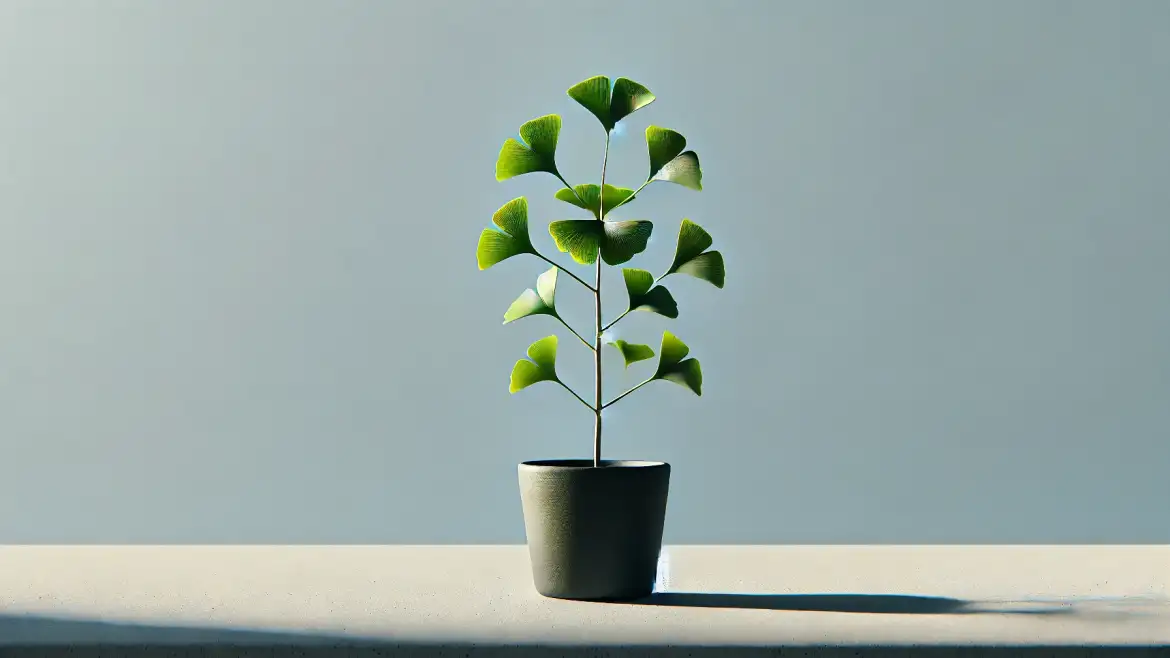
Growing Ginkgo Biloba in pots offers several benefits, particularly for individuals with limited garden space or those living in urban settings. As a slow-growing tree with a unique, fan-shaped leaf structure, Ginkgo Biloba thrives in containers, allowing gardeners to cultivate this ancient and resilient species without the need for a large outdoor area.
Potted Ginkgo trees can be easily moved to optimize sunlight exposure or to protect them from harsh weather, ensuring better growth and health. Additionally, container gardening allows for better control over soil quality, moisture levels, and root growth, reducing the risk of diseases and making maintenance more manageable.
Another advantage of growing Ginkgo Biloba in pots is its versatility in enhancing indoor and outdoor spaces. Its striking foliage, which turns a brilliant golden yellow in autumn, adds aesthetic value and a touch of history to patios, balconies, or interior spaces with sufficient natural light.
Potted Ginkgo trees are also suitable for bonsai enthusiasts, as they can be pruned and shaped to create intricate, miniature versions of the tree. Moreover, the Ginkgo’s reputation for air purification and its connection to traditional medicine make it a meaningful addition to any home or garden, promoting both environmental and personal well-being.
Growing Ginkgo Biloba in Containers

The Ginkgo Biloba, often called the Maidenhair Tree, is a hardy, ancient tree with fan-shaped leaves and unique growth characteristics. Growing a Ginkgo Biloba in a pot is a rewarding experience for gardeners, especially those with limited space. This guide covers everything you need to know about successfully cultivating this resilient plant in a container.
1. Choosing the Right Pot
- Size: Start with a pot at least 18–24 inches deep and wide to allow room for root growth. Ginkgo trees grow slowly but develop deep roots over time.
- Material: Use terracotta, ceramic, or plastic pots. Ensure the pot is sturdy enough to support the tree as it matures.
- Drainage: The pot must have multiple drainage holes to prevent waterlogging, which can cause root rot.
2. Soil Requirements
- Type: Ginkgo Biloba thrives in well-draining, loamy soil.
- Mix: A blend of garden soil, compost, and sand in equal parts works well. Alternatively, use a quality potting mix with added perlite for drainage.
- pH Level: Slightly acidic to neutral soil (pH 6.0–7.0) is ideal.
3. Planting the Ginkgo
- Select a Young Tree or Sapling: Choose a healthy sapling from a nursery. Look for vibrant green leaves and an intact root system.
- Prepare the Pot:
- Place a layer of gravel or small stones at the bottom of the pot to improve drainage.
- Add a few inches of the prepared soil mix.
- Plant the Tree:
- Gently place the sapling in the pot.
- Backfill with soil mix, ensuring the root collar (where the trunk meets the roots) is slightly above the soil line.
- Firmly press the soil to remove air pockets.
- Water Thoroughly: Give the newly planted Ginkgo a deep watering.
4. Light and Placement
- Sunlight: Place the pot in a location that receives full sun for at least 6–8 hours daily.
- Temperature: Ginkgo trees are cold-hardy and can tolerate temperatures as low as -30°F (-34°C). In extreme winters, consider moving the pot to a sheltered location or wrapping it for insulation.
5. Watering and Fertilization
- Watering: Keep the soil consistently moist but not waterlogged.
- Water deeply when the top 1–2 inches of soil feel dry.
- Reduce watering during the dormant winter months.
- Fertilization: Feed the tree during the growing season (spring and summer).
- Use a balanced, slow-release fertilizer (e.g., 10-10-10) once a month.
- Avoid over-fertilizing, as Ginkgo Biloba prefers lean soil conditions.
6. Pruning and Maintenance
- Pruning:
- Trim in late winter or early spring before new growth begins.
- Remove dead, damaged, or crossing branches to maintain shape and health.
- Repotting:
- Repot every 2–3 years to refresh the soil and accommodate root growth.
- Choose a slightly larger pot if needed.
- Pest Control: Ginkgo trees are resistant to most pests and diseases. Check for aphids or scale insects occasionally and treat with neem oil if necessary.
7. Seasonal Care
- Spring and Summer: Actively monitor growth and water frequently. Fertilize as needed.
- Autumn: Enjoy the brilliant yellow foliage before the leaves fall.
- Winter: Protect the tree from harsh winds. Reduce watering and refrain from fertilizing.
Common Issues and Troubleshooting
- Yellowing Leaves (Outside Autumn): Indicates overwatering or poor drainage.
- Stunted Growth: May be due to insufficient sunlight or nutrients.
- Root Rot: Avoid waterlogged soil and ensure proper drainage.
Conclusion
Ginkgo Biloba is a low-maintenance, long-lasting tree that adapts well to container gardening. With the right care, it can thrive in a pot for many years, adding elegance and charm to any space. Whether you’re a beginner or a seasoned gardener, this guide provides everything you need to grow a healthy Ginkgo tree in a pot.
FAQs
Yes, Ginkgo Biloba trees can thrive in pots if provided with proper care, well-draining soil, and adequate sunlight.
Water when the top inch of soil feels dry, ensuring the pot has good drainage to prevent overwatering.
Ginkgo trees prefer outdoor conditions but can be kept indoors temporarily if placed near a sunny window.
Yes, but you should protect the pot from freezing temperatures by insulating it or moving it to a sheltered location.
A Ginkgo Biloba can stay in a pot for several years with regular repotting and care, though it may eventually outgrow the container.
Sign up to get our FREE weekly emails
Gardening guides, tips, & videos delivered right to your inbox!