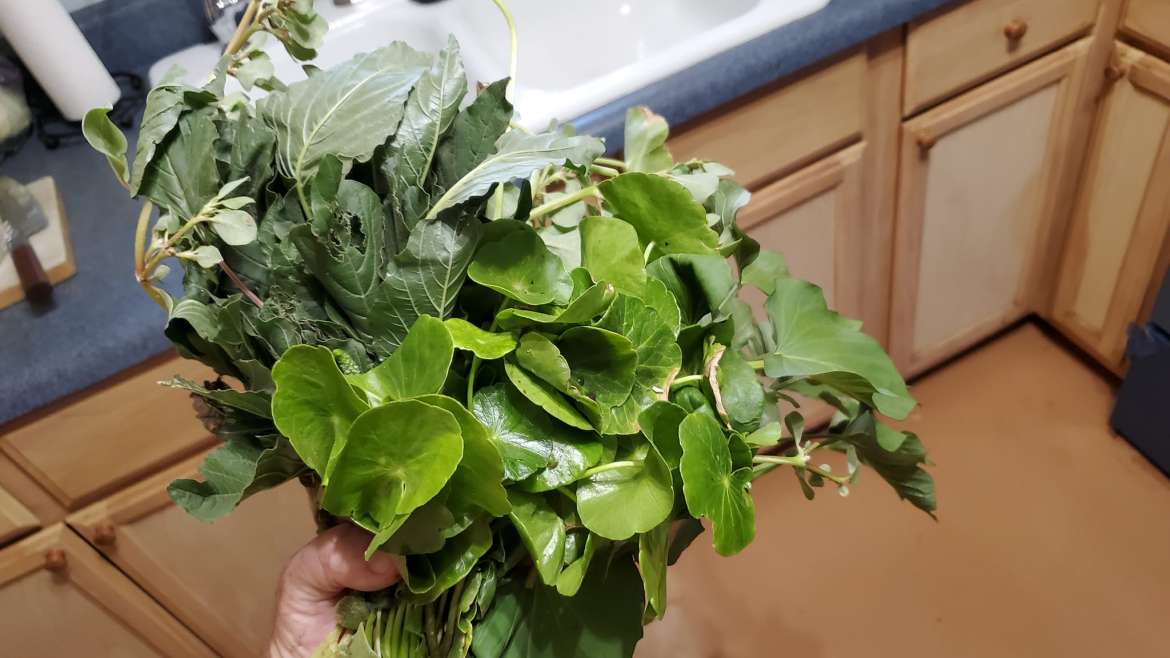
Growing collard greens in pots offers a range of benefits, particularly for those with limited space or those living in urban areas. One of the key advantages is the ability to control the growing environment more effectively. In pots, you can choose the right soil mix, ensuring that the greens receive the proper nutrients and have good drainage, which is crucial for their healthy growth. The mobility of container gardening allows you to position your pots in the sunniest spots of your home or garden, ensuring that the collard greens get the 6-8 hours of sunlight they need to thrive.
This flexibility also means that if pests or extreme weather conditions (like heavy rain or strong winds) threaten the plants, you can easily move the pots to a safer location. Additionally, growing collard greens in containers reduces the risk of soil-borne diseases, such as root rot, and eliminates the common problem of weeds, which can be harder to control in ground gardens.
Container gardening is also more accessible for those with limited physical mobility, as pots can be placed at a comfortable height for tending and harvesting. Moreover, pots offer a more controlled watering situation, allowing for efficient use of water without the risk of overwatering or underwatering that can sometimes occur in larger garden plots. All in all, growing collard greens in pots is an excellent option for maximizing space, managing growing conditions, and ensuring a fresh, nutritious crop right at home.
Growing Collard Greens in Containers

Collard greens (Brassica oleracea), a leafy green vegetable in the cabbage family, are packed with nutrients and easy to grow. Growing them in pots is a great option for people with limited garden space or poor soil conditions. Here’s a comprehensive guide to help you grow healthy and productive collard greens in containers.
1. Choose the Right Pot
- Size: Collard greens need a relatively large pot to grow well. Choose a container that is at least 12 inches deep and 12-18 inches in diameter. The larger the pot, the better the plant will grow.
- Material: Terra cotta, plastic, or fabric pots work well. Fabric pots provide good aeration to the roots and allow for better drainage.
- Drainage: Ensure the pot has drainage holes. Without good drainage, the roots can become waterlogged, leading to root rot.
2. Select the Right Soil
- Type: Collard greens thrive in loose, well-draining soil that is rich in organic matter. A good-quality potting mix designed for vegetables is ideal. Avoid using garden soil, as it may be too heavy and compact for container gardening.
- pH Level: Collard greens prefer slightly acidic to neutral soil, with a pH range of 6.0 to 7.5. You can test the soil’s pH with a soil testing kit and amend it if needed with lime (to raise pH) or sulfur (to lower pH).
3. Planting Collard Greens
- When to Plant: Collard greens grow best in cool weather, so it’s best to plant them in early spring or late summer for a fall harvest. In warmer climates, you can grow them year-round, especially in the cooler months.
- Planting Seeds:
- Fill your pot with soil, leaving about 1-2 inches of space from the rim.
- Plant collard green seeds about ¼ to ½ inch deep and space them 2-4 inches apart. You can plant multiple seeds in one pot and thin them out later if necessary.
- Water gently after planting.
- Planting Transplants: If you are transplanting young collard green seedlings, dig a small hole in the pot and place the seedling in the hole. Space transplants about 8-12 inches apart.
4. Watering
- Collard greens prefer consistent moisture but do not like to sit in water. Water the plants regularly, keeping the soil moist but not soggy.
- During hot weather, pots may dry out more quickly, so you may need to water more often.
- Check the soil moisture by sticking your finger about 1-2 inches into the soil. If it feels dry, it’s time to water.
5. Sunlight Requirements
- Collard greens require at least 6 hours of sunlight per day to thrive. Place your pot in a location that receives full sun for most of the day. In hotter climates, some afternoon shade may help prevent the leaves from wilting.
- If you’re growing collard greens indoors or in a shaded area, consider using grow lights to supplement sunlight.
6. Fertilizing
- Collard greens are heavy feeders, so they benefit from regular fertilization.
- Use a balanced, slow-release fertilizer or compost. A 10-10-10 fertilizer is a good option, or you can use organic options like fish emulsion or seaweed extract.
- Fertilize the plants every 4-6 weeks. If using compost, mix it into the top layer of soil to provide a steady source of nutrients.
7. Thinning and Pruning
- Once your collard greens start growing, thin out the seedlings so that the remaining plants have enough space to spread out. Leave about 8-12 inches of space between each plant.
- Regularly prune any yellowing or damaged leaves to encourage healthy new growth and to improve air circulation.
8. Pest and Disease Management
- Common pests that affect collard greens include aphids, cabbage worms, and flea beetles. To keep pests at bay:
- Use organic insecticidal soap or neem oil to control aphids and other bugs.
- If you see caterpillars or worms, manually remove them or apply a natural pest control solution like Bacillus thuringiensis (Bt).
- Keep the area around the pot clean, as this will help prevent pest infestation.
- Collard greens can also be affected by fungal diseases, particularly if they are overwatered. Ensure proper drainage and avoid watering from above to keep the leaves dry.
9. Harvesting
- Collard greens are ready to harvest when the leaves are large enough to eat, typically around 60-85 days after planting, depending on the variety and growing conditions.
- Start by picking the outer leaves first, leaving the inner leaves to continue growing. This will allow the plant to keep producing new leaves.
- Use a sharp knife or scissors to cut the leaves from the base of the stem, taking care not to damage the plant.
10. Winter Care
- In colder climates, collard greens can tolerate light frost, but they may need extra protection during freezing temperatures. Consider moving the pot to a more sheltered area or using row covers or cloches to keep the plants warm.
- If growing collards indoors, place the pot in a sunny spot or near a window with sufficient light.
11. Common Problems and Solutions
- Yellowing Leaves: This can be a sign of nutrient deficiencies (especially nitrogen), pests, or overwatering. Ensure proper watering and fertilization, and inspect the plants for pests.
- Wilting or Stunted Growth: This could be due to root-bound plants. If the plant’s roots have outgrown the pot, consider repotting into a larger container.
- Leaf Spot Disease: If you notice black or brown spots on the leaves, it may be a fungal issue. Remove affected leaves and consider applying a fungicide.
12. Companion Planting Tips
- Collard greens grow well with other cool-season crops such as:
- Garlic and onions – These can help repel pests that affect collard greens.
- Radishes and carrots – Their deep roots can help loosen the soil and allow collards to spread.
- Avoid planting collard greens near members of the cabbage family (like broccoli, cabbage, and kale) in the same pot, as they can share similar pests and diseases.
FAQs
For sure, collard greens can grow successfully in pots as long as they have enough space for their roots to spread and access to plenty of sunlight. A pot with at least a 12-inch diameter and 12-inch depth is ideal for growing a healthy collard green plant.
Typically, you should plant one collard green per pot. They need space to grow without competing for nutrients and sunlight.
Collard greens need consistent moisture. Water them when the top inch of soil feels dry to the touch. Avoid letting the soil dry out completely, but don’t let the pot sit in water either, as this can cause root rot.
Fertilize collard greens every 4-6 weeks using a balanced, water-soluble fertilizer. You can also use organic options like compost or well-rotted manure. If the plant looks yellow or weak, it may benefit from additional nitrogen.
Collard greens prefer cooler temperatures, typically between 50-75°F (10-24°C). They can tolerate light frost, making them a great choice for early spring or fall gardening. However, in hot summer months, they may need some afternoon shade.
Start harvesting when the outer leaves are large enough to pick, typically around 2-3 months after planting. Cut the outer leaves off at the base, leaving the inner leaves to continue growing. This will allow the plant to keep producing new leaves.
Yes, collard greens can be grown indoors in pots, provided they receive enough sunlight (preferably from a south-facing window or under grow lights) and are kept in a temperature range of 50-75°F (10-24°C).
Collard greens are best planted in pots in early spring, about 4–6 weeks before the last frost, or in late summer/early fall for cooler growing conditions. They thrive in temperatures between 55°F (13°C) and 75°F (24°C), with full sun to partial shade.
Sign up to get our FREE weekly emails
Gardening guides, tips, & videos delivered right to your inbox!