Growing pistachios in containers offers several advantages, particularly for small-scale growers and those in urban settings. It allows for controlled growing conditions, enabling you to optimize soil composition, drainage, and nutrient availability.
Container growing makes it easier to protect plants from pests, diseases, and extreme weather conditions, which can be critical for sensitive young pistachio trees. Mobility is another key benefit, as containers can be moved to sunny locations or sheltered areas as needed. Additionally, this method conserves space and water, making it an eco-friendly and efficient option for growing pistachios in non-traditional environments.
Growing Pistachio Trees in Containers
Growing pistachios in containers is a rewarding endeavor for gardeners who want to enjoy the luxury of home-grown nuts without needing a large garden.
While pistachio trees are typically grown in open fields, with careful planning, they can thrive in pots. Below is a detailed guide.
1. Choosing the Right Variety
When growing pistachios in containers, opt for dwarf or semi-dwarf varieties, as they are more manageable. Popular choices include:
- ‘Kerman’ (Female): A reliable nut-producing variety.
- ‘Peters’ (Male): Commonly used as a pollinator for ‘Kerman.’
2. Selecting a Suitable Container
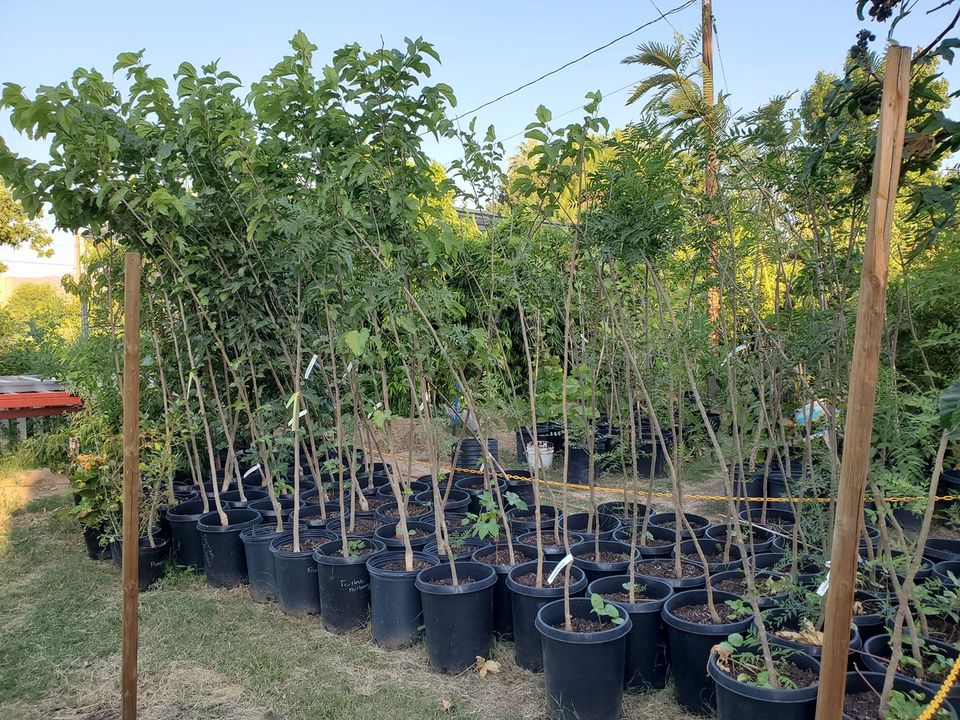
- Size: Start with a 5-7 gallon container for seedlings. As the tree grows, transplant it into a 20-25 gallon pot for mature trees.
- Material: Choose durable materials like plastic, ceramic, or wood. Ensure the container has good drainage holes.
- Shape: Deep pots are ideal to accommodate the pistachio tree’s long taproot.
3. Soil Requirements
Pistachio trees prefer well-draining, sandy, or loamy soil with a neutral to slightly alkaline pH (6.0-8.0). Create a potting mix by combining:
- 40% sand
- 40% garden soil or loam
- 20% organic compost
Avoid heavy clay or water-retentive soils.
4. Planting Pistachios in Containers
- Seedlings or Grafted Saplings: Purchase healthy, grafted pistachio trees (a male and a female) from a reputable nursery.
- Planting Depth: Place the tree in the container so that the graft union (if present) is above the soil line.
- Spacing: If growing more than one tree, position the male and female trees within 50 feet of each other for effective pollination.
5. Sunlight Requirements
Pistachio trees thrive in full sun and require at least 6-8 hours of direct sunlight daily. Place containers in a sunny spot, such as a south-facing balcony, terrace, or garden.
6. Watering
- Frequency: Water deeply but infrequently. Allow the top 2-3 inches of soil to dry out between waterings.
- Drought Tolerance: Once established, pistachio trees are drought-tolerant but benefit from consistent moisture during flowering and nut development.
7. Fertilization
- Spring: Apply a balanced fertilizer (10-10-10) when the tree begins to grow actively.
- Summer: Use nitrogen-rich fertilizer to support leafy growth.
- Fall: Switch to a low-nitrogen fertilizer (5-10-10) to promote root development and prepare the tree for dormancy.
8. Pollination
- Pistachios are wind-pollinated, so having a male tree nearby is essential for nut production. If growing indoors, gently shake the male tree to distribute pollen onto the female tree during the flowering period.
9. Pruning and Training
- Pruning: Prune in late winter or early spring to remove dead or diseased branches and shape the tree.
- Training: Encourage an open canopy by pruning the central leader and allowing lateral branches to spread.
10. Harvesting Pistachios
- Maturity: Pistachio trees take 6-8 years to begin producing nuts and reach full production in 15-20 years.
- Harvest Time: Harvest nuts in late summer or early fall when the outer husk begins to split.
- Method: Shake the tree gently to dislodge nuts or pick them by hand.
FAQ
Yes, pistachio trees can be grown in pots, especially dwarf varieties or young trees. However, they require large, deep pots to accommodate their extensive root systems and need plenty of care to thrive.
Yes, pistachios are dioecious, meaning you need both a male and a female tree for pollination. A single male tree can pollinate up to 8-10 female trees.
If growing both male and female trees in pots, ensure they are close enough for wind pollination. Alternatively, you can hand-pollinate by transferring pollen from the male to the female flowers using a brush.
Regular pruning and using dwarf rootstock varieties can help control the size of your pistachio tree, making it more suitable for container growth.
Sign up to get our FREE weekly emails
Gardening guides, tips, & videos delivered right to your inbox!