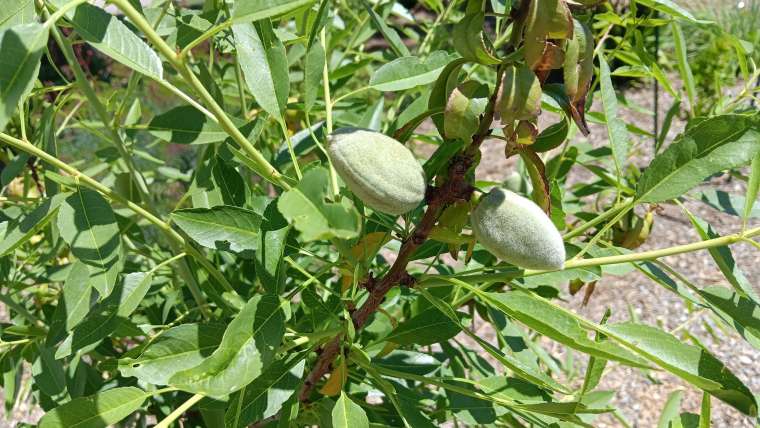
Growing chestnuts in containers offers several benefits, especially for gardeners with limited space or poor soil conditions. Containers provide greater control over soil quality, drainage, and pH levels, ensuring optimal growing conditions for chestnuts. They also allow mobility, enabling you to move the plants to sunnier spots or protect them from harsh weather.
Container gardening reduces the risk of pests and diseases commonly found in garden soil, promoting healthier growth. Additionally, this method is ideal for urban settings, as it allows you to enjoy the beauty and harvest of chestnuts even on patios, balconies, or small yards.
Growing Chestnuts in Pots

Growing chestnuts in containers is a practical and rewarding way to cultivate these majestic nut trees, especially for those with limited garden space or poor soil conditions.
This guide will take you step by step through the process of successfully growing chestnuts in containers, from choosing the right variety to harvesting the nuts.
1. Selecting the Right Chestnut Variety
Not all chestnut trees are suitable for container growing. Dwarf or slow-growing varieties are ideal for confined spaces. Here are some options:
- Dwarf Chestnuts (e.g., Dunstan Chestnuts): These are smaller and more manageable for container growth.
- Chinese Chestnut (Castanea mollissima): Compact growth and high nut production.
- American Chestnut Hybrids: Disease-resistant hybrids can adapt well to containers.
When choosing a variety, consider your climate and whether the tree requires a pollination partner. Most chestnuts are not self-pollinating and need at least two trees for nut production.
2. Choosing the Right Container
Chestnuts grow large root systems, so choosing the correct container is crucial.
- Size: Start with a 15-20 gallon container (at least 18-24 inches deep). As the tree grows, you may need to transplant into larger containers (30-50 gallons).
- Material: Use durable containers made from materials like plastic, wood, or fabric grow bags. Ensure the container is lightweight if you need to move it.
- Drainage: Chestnuts dislike waterlogged soil, so the container must have multiple drainage holes.
3. Soil Preparation
Chestnuts thrive in well-draining, slightly acidic soil. Here’s how to prepare the ideal mix:
- pH Level: Aim for a pH between 5.5 and 6.5.
- Soil Mix: Use a blend of:
- 60% potting soil
- 20% perlite or coarse sand for drainage
- 20% compost for nutrients
- Fertilizer: Add a slow-release fertilizer formulated for acidic soil-loving plants like chestnuts or azaleas.
4. Planting the Chestnut Tree
- Prepare the Container:
- Place a layer of gravel or coarse stones at the bottom to improve drainage.
- Fill the container with your prepared soil mix, leaving about 3-4 inches at the top.
- Plant the Tree:
- Gently loosen the roots of your chestnut seedling or sapling.
- Position the tree in the center of the container, ensuring the root crown (where the roots meet the trunk) is slightly above the soil line.
- Fill around the roots with soil mix and lightly tamp it down to remove air pockets.
- Water Thoroughly:
- Water the tree until it drains from the bottom to settle the soil around the roots.
5. Placement and Light Requirements
Chestnuts require full sun for optimal growth and nut production.
- Placement: Place the container in a location that receives at least 6-8 hours of direct sunlight daily.
- Mobility: Use a plant caddy with wheels to move the container easily if needed.
6. Watering and Feeding
- Watering: Keep the soil consistently moist but not soggy. Allow the top inch of soil to dry slightly before watering again. During hot weather, check moisture levels daily.
- Fertilizing:
- In spring, apply a balanced fertilizer (10-10-10) or one designed for nut trees.
- Avoid over-fertilizing, which can cause excessive leaf growth at the expense of nut production.
7. Pruning and Maintenance
- Pruning:
- Prune in late winter or early spring to remove dead or diseased branches.
- Maintain a central leader and evenly spaced lateral branches to promote good airflow.
- Pest and Disease Management:
- Watch for common pests like weevils or mites and treat with organic insecticidal soap if needed.
- Chestnuts are susceptible to blight; inspect regularly and remove infected areas promptly.
8. Overwintering
Chestnuts are hardy but require care during winter when grown in containers.
- Protection:
- Insulate the container with burlap, bubble wrap, or move it to a sheltered location.
- Mulch the soil surface with straw or bark to protect the roots from freezing.
- Watering: Reduce watering during dormancy, but do not allow the soil to dry out completely.
9. Pollination
Most chestnut trees need a second tree for pollination. If space is limited, consider:
- Growing two trees in separate containers.
- Grafting a pollinator branch onto the main tree.
10. Harvesting Chestnuts
Chestnuts typically produce nuts after 3-7 years, depending on the variety.
- When to Harvest: Nuts fall to the ground when ripe, usually in late fall.
- Collection: Gather the nuts daily to prevent pests or mold.
- Processing: Remove the spiny husks carefully, then cure the nuts in a cool, dry place for about a week before storing.
FAQ
Sign up to get our FREE weekly emails
Gardening guides, tips, & videos delivered right to your inbox!