
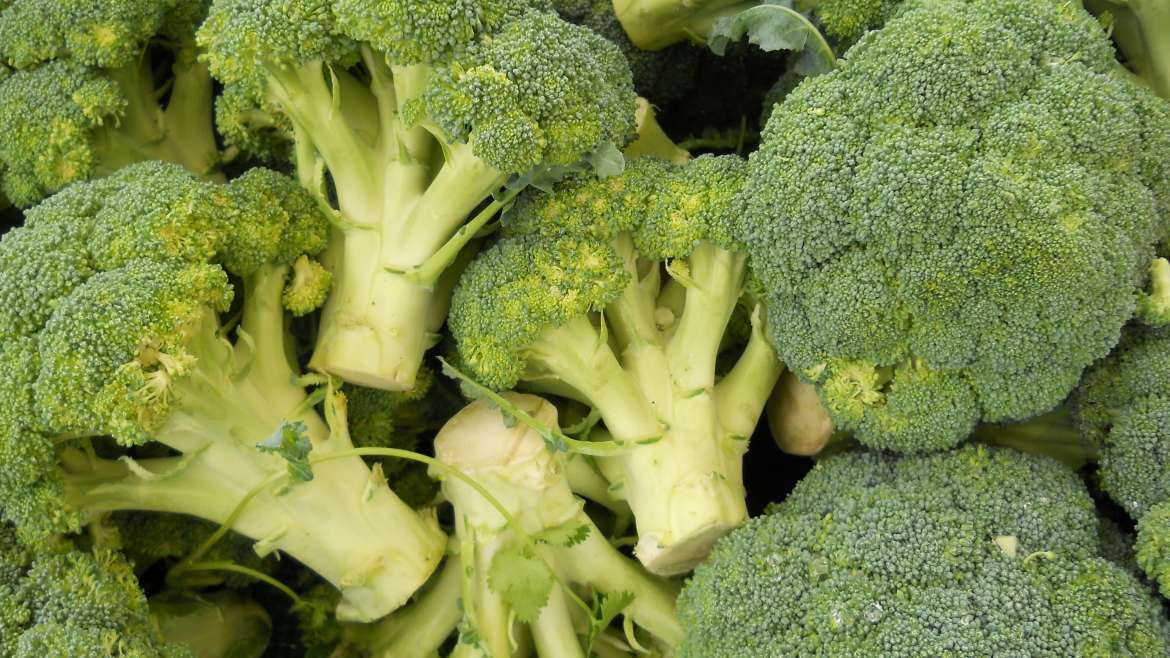
Broccoli. It’s one of those veggies that gets a bad rap, but trust me—if you give it a chance, it’ll win you over. Think of it as the cool, green cousin of cauliflower—except it doesn’t need to hide under a cheesy sauce to be delicious. Steamed, roasted, or tossed in a stir-fry, broccoli is packed with flavor and nutrients that your body will thank you for. It’s like a superfood that doesn’t need a cape to show off its powers.
Broccoli grows best in cooler weather, and it’s actually pretty easy to grow in the garden. Plant it in early spring or late summer, and if you’re patient (which, let’s be real, it’ll test your patience), you’ll have fresh, vibrant heads in no time. And hey, it’s one of the easiest crops to harvest—you just cut the head off, and boom, dinner.
On top of all that, it’s versatile. You can throw it in a salad, roast it with garlic, or steam it for a quick side. It’s not picky, but it does appreciate a little love in the form of rich soil and some regular watering. And don’t even get me started on the health benefits—fiber, vitamins, and antioxidants galore. Plus, you can snack on the stems, too. Waste not, want not, right?
So, yeah, broccoli might be a little green, a little crunchy, but it’s definitely got the goods.
How to Grow Broccoli
Growing broccoli requires some attention to detail, but it’s rewarding when you see your healthy crops. Here’s a step-by-step guide:
Planting Broccoli
- Choosing the Variety:
- Select a broccoli variety suitable for your climate. Some common varieties include ‘Calabrese,’ ‘Waltham 29,’ and ‘Di Ciccio.’
- Timing:
- Cool-Season Crop: Broccoli prefers cooler weather. Plant in early spring or late summer for a fall harvest.
- Starting Indoors: If starting from seeds, plant them indoors 6-8 weeks before the last expected frost.
- Transplanting Outdoors: Move the seedlings outdoors 2-4 weeks before the last frost date.
- Soil Preparation:
- Soil Type: Broccoli thrives in well-drained, fertile soil with a pH between 6.0 and 7.0.
- Amendments: Enrich the soil with compost or a balanced fertilizer before planting.
- Spacing:
- Seedlings: Space plants 18-24 inches apart in rows that are 24-36 inches apart.
- Planting Depth: Transplant seedlings at the same depth they were growing in pots.
Growing Broccoli
- Watering:
- Consistency: Keep the soil consistently moist but not waterlogged. Water deeply once a week, more often in dry conditions.
- Mulching:
- Weed Control: Apply mulch around the plants to help retain moisture and suppress weeds.
- Fertilizing:
- Feeding: Fertilize with a balanced fertilizer (like 10-10-10) every 3-4 weeks.
- Pest and Disease Management:
- Common Pests: Watch for aphids, cabbage worms, and flea beetles. Use row covers or organic pesticides as needed.
- Disease Prevention: Rotate crops and ensure good air circulation to prevent diseases like clubroot or downy mildew.
- Temperature Management:
- Heat Protection: If temperatures rise above 75°F (24°C), provide shade to prevent the plants from bolting.
Harvesting Broccoli
- When to Harvest:
- Timing: Harvest when the heads are firm and tight, and before the yellow flowers start to open. This usually occurs 70-100 days after planting, depending on the variety.
- Size: Heads should be about 4-8 inches in diameter.
- How to Harvest:
- Cutting: Use a sharp knife to cut the main stem about 5-8 inches below the head.
- Side Shoots: After harvesting the main head, the plant will produce smaller side shoots, which can be harvested for several weeks.
Post-Harvest Care
- Storage:
- Fresh: Store broccoli in the refrigerator for up to a week.
- Freezing: Blanch and freeze broccoli if you want to store it for a longer period.
- Successive Planting:
- Extend the Harvest: For a continuous harvest, plant new seeds or seedlings every 2-3 weeks during the growing season.
Broccoli Growing Zone
Broccoli grows best in USDA hardiness zones 3 through 10. These zones cover a wide range of climates, allowing for broccoli to be planted in both spring and fall.
It’s a cool-weather crop, so it thrives in temperatures between 65°F and 75°F (18°C to 24°C).
In warmer zones (8-10), broccoli is typically grown in the fall or winter to avoid the heat of summer, which can cause the plant to bolt and produce smaller heads.
Growing Broccoli FAQ
Plant the seeds about 1/4 inch deep in seed trays, keeping them in a warm, sunny location. Maintain consistent moisture in the soil, and seedlings should emerge in 7-14 days.
Broccoli is a cool-season crop, best planted in early spring or late summer for a fall harvest. For spring planting, start seeds indoors 6-8 weeks before the last expected frost, and transplant them outdoors 2-4 weeks before the last frost. For a fall harvest, start seeds in midsummer.
Broccoli requires full sun, which means at least 6-8 hours of direct sunlight per day. While it can tolerate some shade, full sun ensures optimal growth and head development.
Broccoli is ready to harvest when the head is fully formed but before the florets start to open and turn yellow. This typically occurs 50-70 days after transplanting, depending on the variety. Cut the head off with a sharp knife, leaving about 6 inches of the stem. Side shoots may continue to produce smaller heads after the main harvest.
Yes, broccoli can be grown in pots, but choose a large pot (at least 5 gallons) with good drainage. Use a high-quality potting mix, and water regularly since container plants dry out faster than those in the ground.
Small heads or lack of head formation can result from stress factors like high temperatures, insufficient water, or poor soil nutrition. Broccoli is sensitive to heat, so ensure it’s planted at the right time, and maintain consistent moisture and nutrient levels.
Each broccoli plant typically produces one main head, which is the large, central cluster of florets that most people associate with broccoli. In addition to this main head, the plant may produce several smaller side shoots or secondary heads after the main head is harvested.
Sign up to get our FREE weekly emails
Gardening guides, tips, & videos delivered right to your inbox!


