
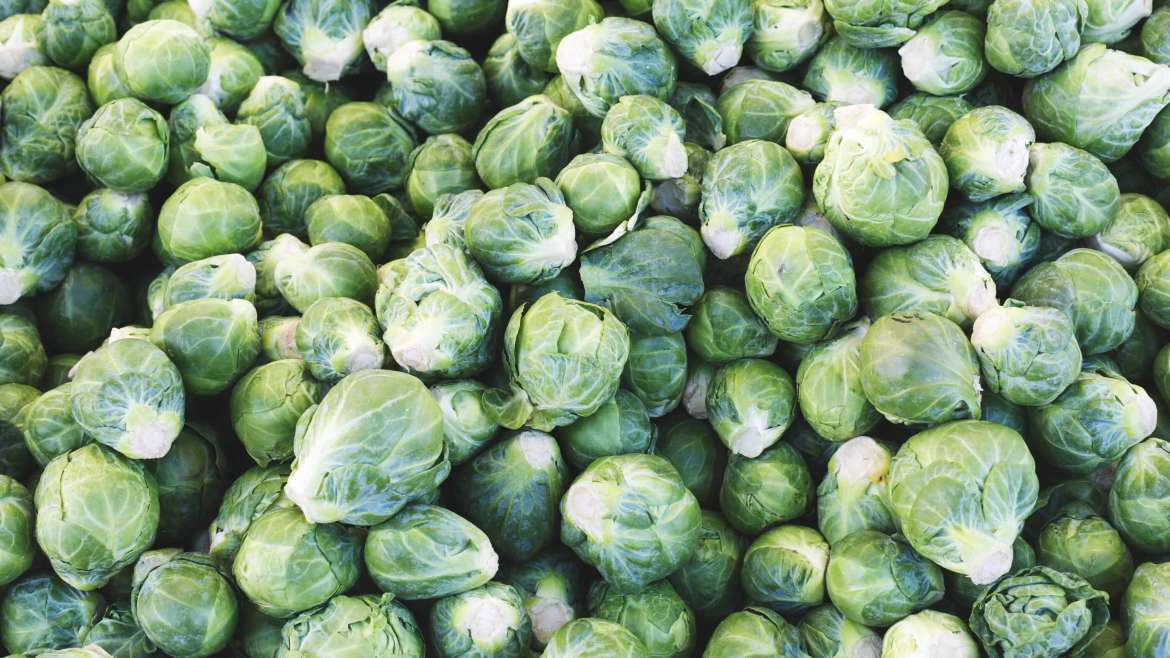
Brussels sprouts. They get a bad rap, but honestly, they’re underrated. If you’ve only ever tried them soggy and overcooked, you’ve been missing out. Imagine a mini cabbage, but with a bit more bite—crunchy, slightly nutty, and surprisingly sweet when roasted or sautéed. If you haven’t given them a chance yet, it’s time to rethink your veggie game.
These little guys thrive in cool weather, which is perfect for those late fall harvests, and they’re packed with vitamins and fiber—so, they’re not just delicious, but healthy too. Plus, if you grow them in your garden, they’ll put on a good show. Think tall, sturdy plants with those perfect little clusters of sprouts lining up like soldiers waiting for the big day.
The trick? Patience. Brussels sprouts take their sweet time to grow—usually around 90-100 days—so don’t expect instant gratification. They also like their space and a good amount of care, especially during those chilly nights. A little water, a little mulch, and they’re good to go.
And when you finally harvest them? There’s no greater satisfaction than plucking those fresh sprouts off the stem. Trust me, they’ll be the star of your next meal, with a little olive oil, salt, and pepper to bring out their natural flavors.
How to Grow Brussels Sprouts
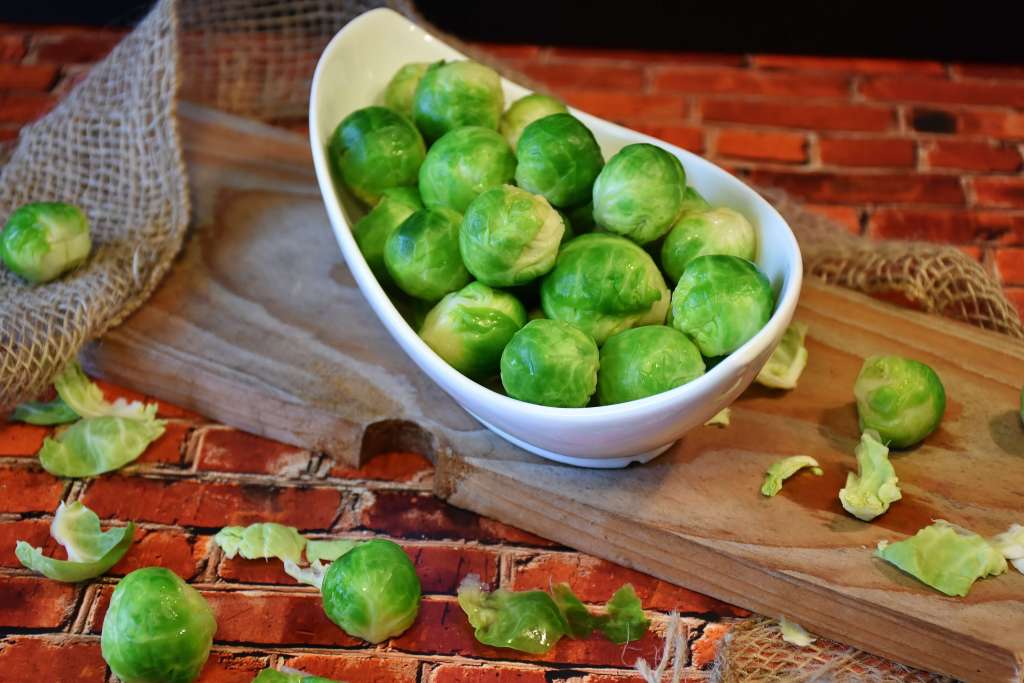
Growing Brussels sprouts can be a rewarding experience, but it requires patience and the right conditions. Below is a comprehensive guide to help you get started.
Planting Brussels Sprouts
- When to Plant:
- Start Seeds Indoors: 12-14 weeks before your first expected fall frost.
- Transplant Outdoors: 6-10 weeks before the first fall frost date.
- Choosing a Site:
- Sunlight: Full sun, at least 6 hours a day.
- Soil: Well-draining, fertile soil with a pH between 6.5 and 7.5. Amend the soil with compost or well-rotted manure.
- Planting Seeds:
- Indoors: Sow seeds 1/4 inch deep in seed-starting trays.
- Outdoors: Space transplants 18-24 inches apart in rows 30 inches apart.
- Transplanting:
- Harden Off: Gradually expose seedlings to outdoor conditions over 7-10 days before transplanting.
- Planting Depth: Set transplants at the same depth they were in the seed tray.
Growing Brussels Sprouts
- Watering:
- Consistent Moisture: Keep the soil consistently moist but not waterlogged. Water at the base of the plants to avoid wetting the leaves.
- Fertilizing:
- Initial Fertilization: Use a balanced fertilizer when transplanting.
- Side-Dressing: Apply a nitrogen-rich fertilizer halfway through the growing season.
- Mulching:
- Apply a layer of mulch to conserve moisture, suppress weeds, and keep the soil cool.
- Support:
- Tall plants may require staking to prevent them from falling over.
- Pest and Disease Management:
- Common Pests: Aphids, cabbage worms, and flea beetles. Use organic insecticidal soap or floating row covers as a preventive measure.
- Diseases: Watch for fungal diseases like clubroot and downy mildew. Rotate crops and ensure good air circulation.
Harvesting Brussels Sprouts
- When to Harvest:
- Brussels sprouts are ready to harvest when they reach about 1 to 1.5 inches in diameter. This usually happens after 80-100 days from transplanting.
- How to Harvest:
- Start at the bottom of the plant and snap off the sprouts when they are firm and green. Work your way up the stem as the plant continues to produce.
- Post-Harvest:
- Storing: Store unwashed sprouts in a plastic bag in the refrigerator. They can last up to 3-5 weeks.
- Freezing: Blanch and freeze for longer storage.
Brussels Sprouts Growing Zone
Tips:
- Brussels sprouts taste sweeter after exposure to a few light frosts.
- Prune the top of the plant a month before the first frost to encourage the remaining sprouts to mature.
Growing Brussels Sprouts FAQ
Brussels sprouts are a cool-season crop. It’s best to plant them in early spring for a fall harvest or mid-summer for a winter harvest. In most regions, sow seeds indoors 4-6 weeks before the last spring frost or direct sow outdoors once the soil temperature reaches about 45°F (7°C).
Brussels sprouts typically take 80-100 days from transplanting to maturity. They are usually ready to harvest when the sprouts are about 1-2 inches in diameter and are firm and green.
Harvest sprouts from the bottom of the stalk upwards as they mature. Twist or cut them off when they are firm and green. Sprouts will continue to mature up the stalk.
Yes, Brussels sprouts are frost-tolerant and can even taste better after a light frost. They can withstand temperatures as low as 20°F (-6°C). However, protection may be needed if a hard freeze is expected.
This issue could be due to planting too late in the season, poor soil fertility, or inconsistent watering. Ensure your plants have enough nutrients and water and are planted at the right time for your growing zone.
Yes, Brussels sprouts can be grown in containers, but you’ll need a large pot (at least 12 inches deep and wide) and good quality potting soil. Ensure the container has good drainage and place it in a sunny location.
Sign up to get our FREE weekly emails
Gardening guides, tips, & videos delivered right to your inbox!


