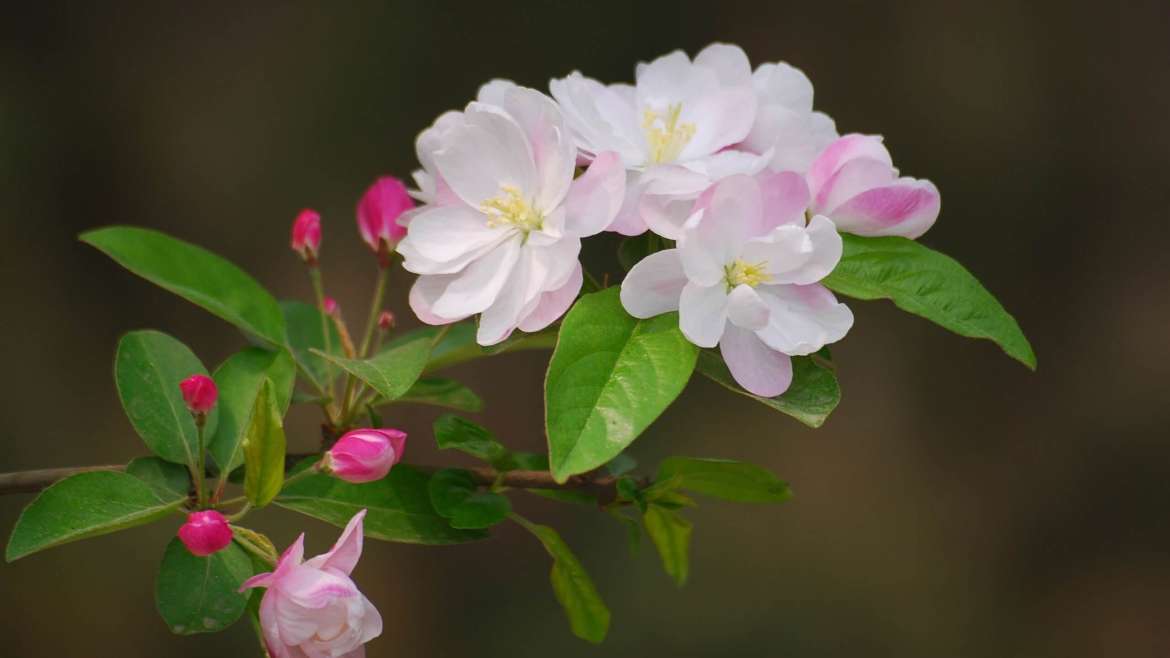
Begonias. Odd name, but these little beauties pack a punch. If you’ve never seen one, picture a plant with leaves that look like they’ve been kissed by velvet and flowers so vibrant they could stop traffic. Perfect for adding that pop of color in shady spots, begonias are an underrated gem in the gardening world.
They bloom from spring through fall, depending on the variety, and trust me, you won’t get bored watching them change colors. Some begonia types even come with a subtle fragrance, adding a little extra charm to your garden.
But don’t get too carried away and toss them into any old pot. Begonias like a bit of love and care, especially when it comes to their soil—well-drained and slightly acidic, thank you very much. They’re not too fond of the heat, so don’t expect them to shine in full sun. A shady spot is their happy place.
And the best part? They’re not hard to keep alive, but like any diva, they do appreciate a little pampering. Regular watering, with a light touch (they don’t want soggy feet), and a sprinkle of fertilizer now and then will keep them looking their best.
Oh, and the leaves? They’re not just pretty to look at—they’re tough too. Begonias can tolerate some humidity, but they’re not afraid of a little mist. So if you’re looking for a plant that adds flair and doesn’t need a full-time gardener, begonias are your go-to.
How to Grow Begonias
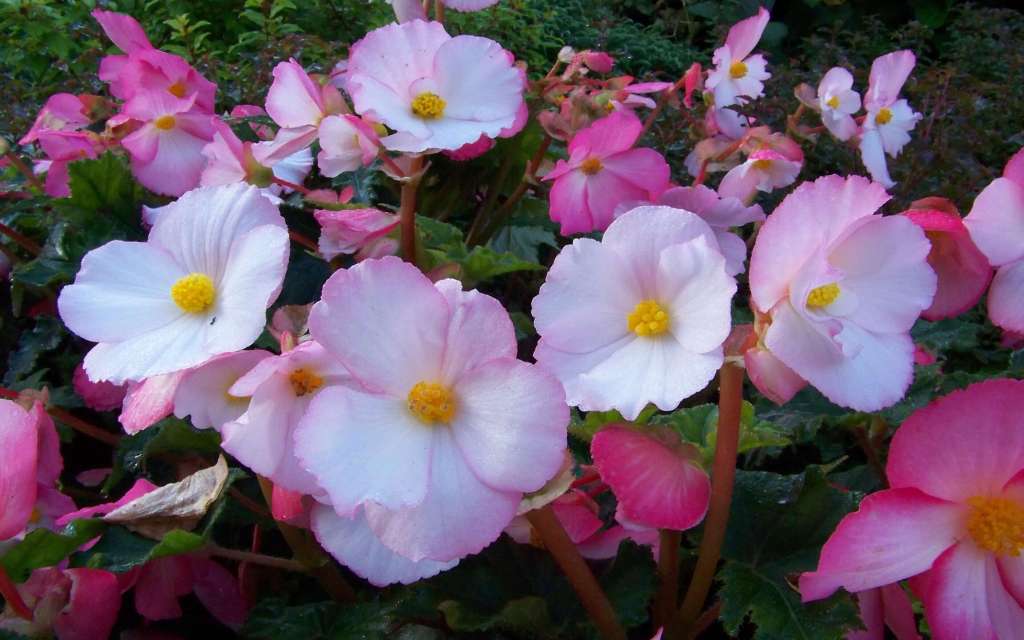
Growing begonias is a rewarding experience as they are versatile, colorful plants that can thrive both indoors and outdoors.
Choosing the Right Begonia Variety
- Tuberous Begonias: Ideal for shaded areas; they produce large, bright blooms.
- Fibrous Begonias: These include wax begonias, which are commonly used in bedding and containers.
- Rhizomatous Begonias: Known for their interesting foliage; they are often grown indoors as houseplants.
Planting Begonias
- Location: Choose a spot with partial shade. Begonias prefer indirect sunlight but can tolerate some direct morning sun.
- Soil: Use well-draining soil that is rich in organic matter. A mix of potting soil and compost works well.
- Planting Time: Plant begonias after the last frost in spring. For tuberous begonias, you can start them indoors 8 weeks before the last frost.
Growing Begonias
- Watering: Keep the soil evenly moist but not waterlogged. Water at the base of the plant to avoid wetting the leaves, which can lead to fungal issues.
- Fertilizing: Feed begonias with a balanced liquid fertilizer every 2-4 weeks during the growing season.
- Spacing: Space plants about 8-12 inches apart to ensure good air circulation, which helps prevent disease.
Caring for Begonias
- Pruning: Remove spent flowers and dead leaves to encourage new growth and prevent disease.
- Pest Control: Watch for pests like aphids, spider mites, and whiteflies. Use insecticidal soap or neem oil if needed.
- Winter Care: For tuberous begonias, dig up the tubers after the first frost, let them dry, and store them in a cool, dry place until spring. Fibrous and rhizomatous begonias can be kept as houseplants indoors during winter.
Troubleshooting Common Problems
- Yellowing Leaves: This can be due to overwatering, poor drainage, or too much direct sunlight.
- Powdery Mildew: Ensure good air circulation and avoid overhead watering to prevent this fungal disease.
- Leggy Growth: If begonias are not getting enough light, they can become leggy. Move them to a brighter spot, but avoid harsh, direct sunlight.
Begonias Growing Zone
Begonias are versatile plants that can be grown in a variety of climates, but they thrive best in USDA hardiness zones 8-11.
Here’s a breakdown of what this means:
- Zones 8-9: In these zones, begonias are typically grown as annuals since they cannot withstand freezing temperatures. Gardeners often bring them indoors or use them as indoor plants during the winter.
- Zones 10-11: In these warmer climates, begonias can be grown as perennials outdoors, as they are not subject to frost and can thrive year-round.
If you’re outside of these zones, begonias can still be grown indoors as houseplants, provided they have the right light, temperature, and humidity conditions.
Growing Begonias FAQ
There are several types of begonias, including tuberous, rhizomatous, and fibrous-rooted varieties. The most common types for gardeners are tuberous begonias, which are known for their large, showy flowers, and fibrous begonias, which are typically grown for their foliage and smaller, yet continuous, blooms.
Begonias prefer bright, indirect light. They thrive in partial shade but can tolerate full shade. Direct sunlight can scorch their leaves, so it’s best to provide filtered sunlight or dappled shade, especially during the hottest part of the day.
Begonias like their soil to be kept consistently moist but not waterlogged. Water when the top inch of soil feels dry to the touch. Be careful not to overwater, as this can lead to root rot. During winter, reduce watering as the plant’s growth slows down.
Yes, begonias can be grown indoors as houseplants. They do well in containers with proper drainage and thrive in bright, indirect light. Make sure to maintain humidity levels by misting the plant or placing a humidity tray nearby.
Begonias can be propagated through stem cuttings, leaf cuttings, or division. For stem cuttings, take a healthy stem, remove the lower leaves, and place it in water or moist soil until roots develop. Leaf cuttings can be placed directly into soil or water to grow new plants.
Sign up to get our FREE weekly emails
Gardening guides, tips, & videos delivered right to your inbox!