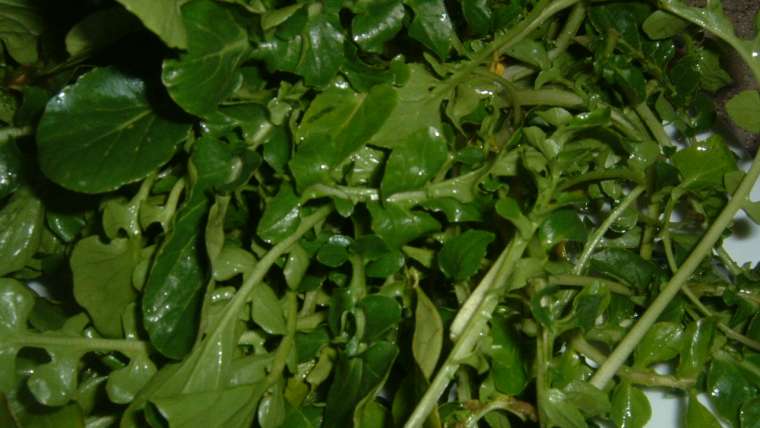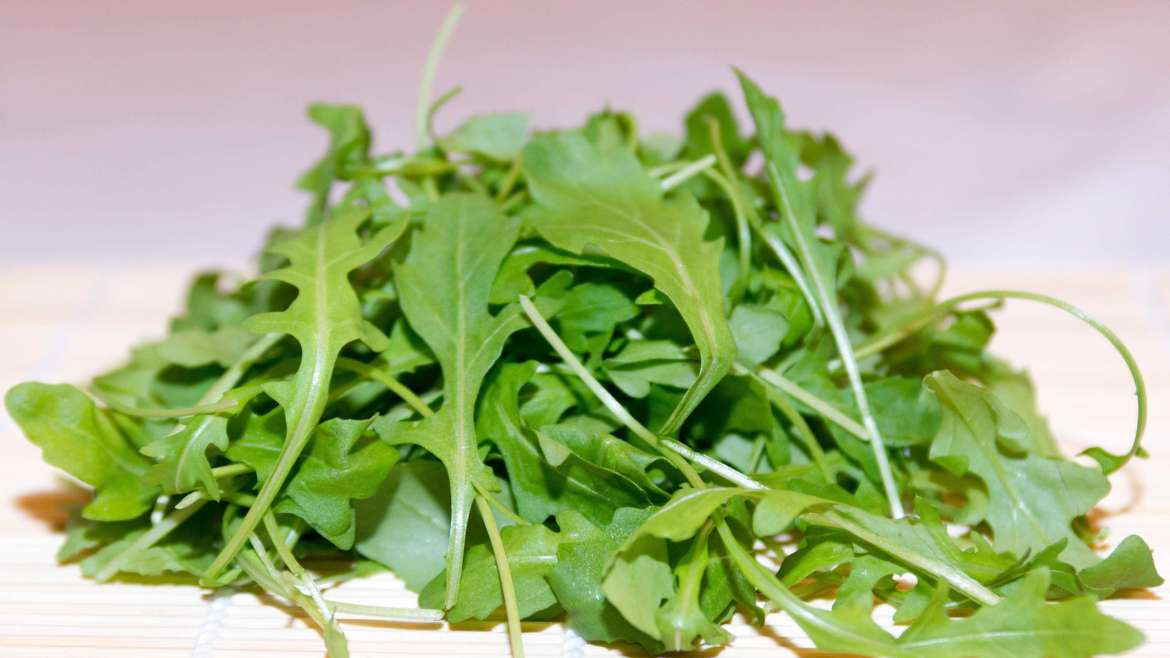
Arugula. Not your average leafy green, but damn, it’s got a kick. If you’ve never tried it, picture spinach’s mild cousin that decided to get a little bold. Peppery, zesty, and just the right amount of punch to wake up your salad or sandwich. It’s like the rebel of the garden, throwing a little attitude into every bite. And guess what? It’s super healthy, too.
This green grows fast, especially in the cooler months—think spring and fall—but don’t rush it. It thrives best in rich, well-drained soil with just the right balance of sunlight and shade. Plant it right, and you’ll have fresh leaves to pluck in about 30 days.
Now, arugula isn’t high-maintenance, but it does appreciate a little attention. Keep the soil moist, and be sure to harvest it regularly—otherwise, it’ll start to bolt and turn bitter. Trust me, nobody likes a bitter arugula.
As for the plant itself? Low-key but cool. It doesn’t take up much space, and its jagged, dark green leaves add some interesting texture to your garden or container. Plus, it’s a breeze to grow, making it perfect for beginners or anyone who wants to add a little spice to their meals without much effort.
How to Grow Arugula
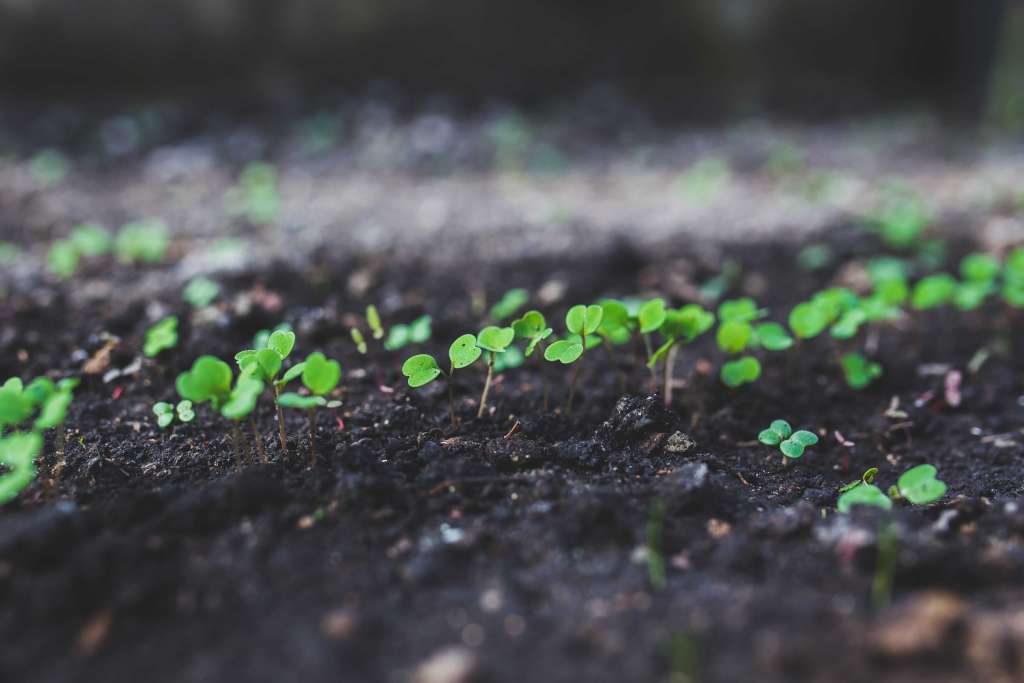
Arugula (Eruca sativa), also known as rocket or roquette, is a fast-growing leafy green with a peppery flavor, popular in salads and various dishes. Below is a guide on how to plant, grow, and harvest arugula.
Planting Arugula
- Choose the Right Time:
- Arugula prefers cool weather, so plant it in early spring or fall.
- It can tolerate a light frost but tends to bolt (go to seed) in hot weather.
- Select a Location:
- Arugula thrives in full sun but can tolerate partial shade, especially in warmer climates.
- Ensure the soil is well-drained, fertile, and rich in organic matter.
- Prepare the Soil:
- Work compost or well-rotted manure into the soil to improve fertility.
- Aim for a soil pH of 6.0-7.0.
- Sow the Seeds:
- Direct sow seeds about ¼ inch deep and 1 inch apart in rows spaced 12-18 inches apart.
- You can also broadcast seeds in a wide row for a denser planting.
- Watering:
- Keep the soil consistently moist, especially during germination, which typically takes 5-7 days.
- Avoid overhead watering to reduce the risk of disease.
Growing Arugula
- Thinning:
- Thin seedlings to 4-6 inches apart once they reach a few inches in height.
- Thinned plants can be used as microgreens in salads.
- Mulching:
- Apply a layer of mulch around the plants to help retain moisture and keep weeds down.
- Fertilizing:
- Arugula is a light feeder, so additional fertilization is usually unnecessary if the soil is well-prepared.
- If needed, use a balanced, all-purpose fertilizer sparingly.
- Pest and Disease Management:
- Watch for common pests like flea beetles and aphids. Use row covers or organic pest control methods if necessary.
- Arugula is generally disease-resistant, but avoid overcrowding and waterlogged soil to prevent issues like downy mildew.
Harvesting Arugula
- Harvest Time:
- Arugula can be harvested as baby greens when the leaves are 2-3 inches long or as mature greens at around 4-6 inches.
- Typically, arugula is ready to harvest about 30-40 days after planting.
- How to Harvest:
- Cut the outer leaves with scissors or a knife, leaving the inner leaves to continue growing.
- For a continuous harvest, pick leaves regularly, or you can cut the entire plant just above the soil line for a one-time harvest.
- Storage:
- After harvesting, rinse the leaves and dry them thoroughly.
- Store in the refrigerator in a plastic bag or airtight container for up to a week.
Arugula Growing Zone
Arugula is a cool-season leafy green that grows best in USDA hardiness zones 3-11. It thrives in temperatures between 45°F and 65°F (7°C to 18°C).
In warmer zones (like 8-11), it’s best to plant arugula in the cooler months of spring and fall to avoid bolting (when the plant flowers and goes to seed quickly due to heat).
In cooler zones (3-7), arugula can be grown in the spring, fall, and even early summer, as it can tolerate light frost.
Tips for Success:
- Succession Planting: To ensure a continuous supply of arugula, sow seeds every 2-3 weeks during the growing season.
- Companion Planting: Arugula grows well alongside other cool-weather crops like lettuce, spinach, and radishes.
- Bolting Prevention: In warmer climates, consider planting arugula in partial shade and keep the soil cool and moist to delay bolting.
Growing Arugula FAQ
Arugula, also known as rocket or rucola, is a leafy green vegetable with a peppery flavor. It’s commonly used in salads, sandwiches, and as a garnish.
Arugula is a cool-season crop, best planted in early spring or late summer/early fall. It thrives in temperatures between 45°F and 65°F (7°C to 18°C).
Sow arugula seeds directly in the garden, about 1/4 inch deep and 1 inch apart. Space rows about 10-12 inches apart. Seeds typically germinate in 5-7 days.
Arugula is typically ready to harvest 30-40 days after planting. Harvest leaves when they are young and tender, about 2-3 inches long, for the best flavor.
Yes, arugula can be grown indoors in containers. Place the container in a sunny window or under grow lights, and make sure the soil is well-drained.
In mild climates, arugula can be grown year-round. In areas with harsh winters, it is usually grown as a spring and fall crop. You can also grow it indoors during winter months.
Start by selecting a container with good drainage, at least 6 inches deep, and fill it with potting mix. Sow the arugula seeds directly into the soil, spacing them about 1 inch apart and covering lightly with soil. Water the seeds gently to keep the soil consistently moist but not waterlogged. Place the container in a sunny spot. Arugula grows quickly and can be harvested in about 3-4 weeks.
Sign up to get our FREE weekly emails
Gardening guides, tips, & videos delivered right to your inbox!