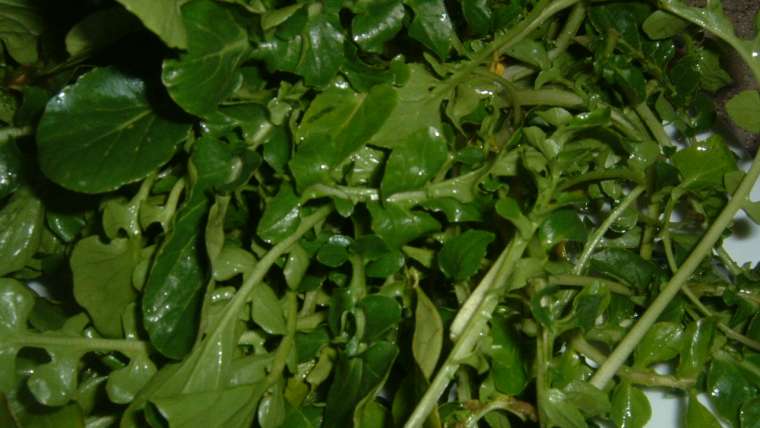
Endive. Sounds like something you’d find on a fancy menu, and honestly, it totally deserves that spot. If you’ve never tried it, picture a leafy green with a bit of sass—crunchy, a little bitter, but not in a bad way. It’s like the rebel of the lettuce world. Great for balancing out rich or heavy dishes, and it adds that fresh, crisp bite that just feels like you’re eating something healthy.
Endive is also a cool plant to grow. It thrives in cool weather, so it’s perfect for those fall and early spring months when everything else is taking a break. The leaves are tightly packed and usually have a nice, pale yellow to white color, with a hint of green that makes your garden look like it’s straight out of a culinary magazine.
But here’s the catch: don’t try to rush it. Endive likes its time, and it doesn’t do well in hot summer heat. If you’re trying to grow it in warmer months, it might just throw a tantrum and bolt. You’re better off planting it in the cooler months and letting it do its thing.
And when it comes to eating it? Super versatile. Throw it in a salad, roast it, or even use it as a base for appetizers. Trust me, it’s worth the little extra effort it takes to get it right. Plus, it’s low in calories and packed with nutrients—so, no guilt there.
How to Grow Endive

Growing endive can be a rewarding process, especially if you’re aiming to have fresh greens for your salads. Below is a step-by-step guide to help you through the process of planting, growing, and harvesting endive.
Choosing the Right Variety
- Curly Endive (Frisée): Has narrow, curly leaves and is slightly bitter.
- Broad-leaved Endive (Escarole): Has broader, less bitter leaves.
Planting Endive
- Timing: Endive is a cool-weather crop. Start seeds indoors 6-8 weeks before the last frost in spring or direct sow seeds outdoors 2-4 weeks before the last frost. You can also plant in late summer for a fall harvest.
- Soil Preparation: Endive prefers well-drained, fertile soil with a pH between 6.0 and 7.0. Work compost or well-rotted manure into the soil to improve fertility.
- Sowing Seeds: Sow seeds 1/4 inch deep and about 12 inches apart in rows spaced 18-24 inches apart. Thin seedlings to 8-12 inches apart once they have a few leaves.
Growing Endive
- Watering: Keep the soil consistently moist but not waterlogged. Endive needs about 1 inch of water per week.
- Fertilizing: Apply a balanced fertilizer or compost tea every 3-4 weeks to promote healthy growth.
- Blanching (Optional): To reduce the bitterness of curly endive, blanch the leaves by tying them together or covering the plant with a pot or basket 2-3 weeks before harvest. This deprives the plant of light, making the leaves tender and less bitter.
- Pest Management: Watch for aphids, slugs, and snails. Use organic or chemical controls as necessary, and keep the garden free of weeds to reduce competition.
Harvesting Endive
- Timing: Harvest endive when the heads are fully formed, typically 85-100 days after planting, depending on the variety.
- Method: Cut the head at the base using a sharp knife. For a continuous harvest, pick the outer leaves first, allowing the center to continue growing.
- Storage: Store harvested endive in the refrigerator for up to two weeks. If you plan to store it for longer, consider blanching and freezing the leaves.
Endive Growing Zone
Endive (Cichorium endivia) is a cool-season crop that thrives in USDA Hardiness Zones 4 through 9. It prefers temperatures between 60°F and 75°F (15°C to 24°C).
Endive can be grown as a spring or fall crop, as it is sensitive to heat and may bolt in warmer temperatures.
In warmer regions (Zones 8 and 9), it is best to grow endive in the fall or winter to avoid the heat of summer.
Tips for Success
- Succession Planting: To ensure a continuous supply of endive, plant new seeds every 2-3 weeks during the growing season.
- Companion Planting: Endive grows well with crops like beans, beets, and carrots, but avoid planting it near fennel.
Growing Endive FAQ
Endive is a leafy vegetable that belongs to the chicory family. It’s known for its slightly bitter taste and is commonly used in salads. There are two main types: curly endive (frisée) and broad-leaved endive (escarole).
Sow seeds directly in the garden or start them indoors 4-6 weeks before the last expected frost. Plant seeds 1/4 inch deep in well-draining soil. Seedlings typically emerge in 7-10 days.
Endive is a cool-season crop, best planted in early spring or late summer. In mild climates, it can also be grown during the fall and winter.
To prevent bolting, maintain consistent soil moisture, and plant endive so that it matures during cool weather. Harvest promptly as the weather warms up.
Harvest endive when the leaves are large enough to use, usually 85-100 days after planting. For curly endive, cut the whole plant at the base. For escarole, pick the outer leaves individually if you prefer.
Yes, endive can be grown in containers. Choose a pot at least 12 inches deep with good drainage. Use high-quality potting soil and water regularly.
Endive can tolerate light frosts, but hard freezes can damage the plants. If a frost is expected, protect the plants with row covers or move containers indoors.
Endive can be grown indoors if provided with sufficient light. Place it near a sunny window or use grow lights. Ensure good air circulation to prevent fungal issues.
Sign up to get our FREE weekly emails
Gardening guides, tips, & videos delivered right to your inbox!