Shallots. They’re like the undercover superheroes of the onion world. Smaller, sweeter, and way less aggressive than their bigger cousins, they’re the quiet, refined flavor boost your cooking didn’t know it needed. Imagine if an onion and garlic had a baby, but it’s just a little more polite about it. These little guys bring a subtle, mild flavor that makes…
Rhubarb. Oddly sour, yet incredibly satisfying. If you’ve never tasted it, think of a celery stalk that decided to take a vacation to a lemon grove, got a little wild, and came back with a sharp, tart kick. It’s like nature’s perfect tangy bite, and it’s delicious in pies, jams, and even savory dishes if you’re feeling adventurous. Rhubarb is…
Leeks are a delicious and versatile vegetable that can thrive in your garden with the right care. However, if you want to optimize your leek harvest, reduce pest problems, and improve soil health, companion planting is an excellent strategy to consider. By carefully choosing which plants to grow alongside your leeks, you can create a more resilient and productive garden.…
Shallots are a flavorful and versatile addition to any garden. Closely related to onions and garlic, shallots are known for their mild yet rich taste that enhances many culinary dishes. Growing shallots successfully requires proper planning, and one of the best ways to maximize their yield is through companion planting. This age-old gardening practice involves planting different crops together to…
Celery is a nutrient-packed vegetable that requires patience and care to grow successfully. It thrives in cool weather and needs consistently moist, nutrient-rich soil. Nonetheless, many gardeners struggle with celery due to its slow growth and susceptibility to pests. One of the best ways to improve its health and yield is by using companion planting. This technique involves growing celery…
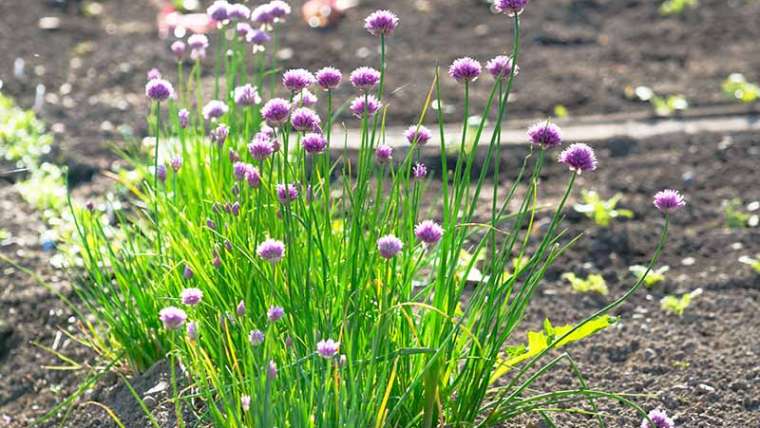
Chives are a favorite among gardeners, not only for their culinary uses but also for their numerous benefits in companion planting. These hardy perennials from the onion family are easy to grow, offering a mild onion-like flavor that enhances a variety of dishes. But their usefulness extends beyond the kitchen. When strategically placed in the garden, chives can help deter…
Rhubarb is a perennial vegetable often grown for its tart, red stalks, which are commonly used in pies, jams, and sauces. While it is relatively low-maintenance, rhubarb can greatly benefit from companion planting. Companion planting is the practice of growing certain plants together to improve growth, deter pests, and enhance soil health. By strategically planting rhubarb alongside compatible plants, you…
Garlic is not just a culinary staple; it is a powerhouse in the garden. We’ve been growing it pretty much every season. Known for its pungent aroma and robust flavor, garlic is relatively easy to grow and offers numerous benefits beyond the kitchen. One of the best ways to maximize the potential of your garlic crop is through companion planting—an…
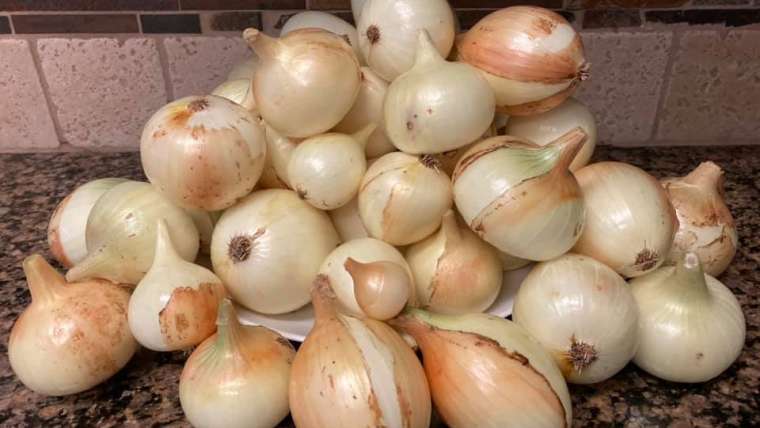
Companion planting is an ancient agricultural practice that involves growing certain plants together to improve their health, yield, and resistance to pests and diseases. Onions, with their sharp aroma and unique growth characteristics, are particularly well-suited for this practice. By strategically selecting companion plants for onions, you can create a more harmonious and productive garden. This article will explore why…