
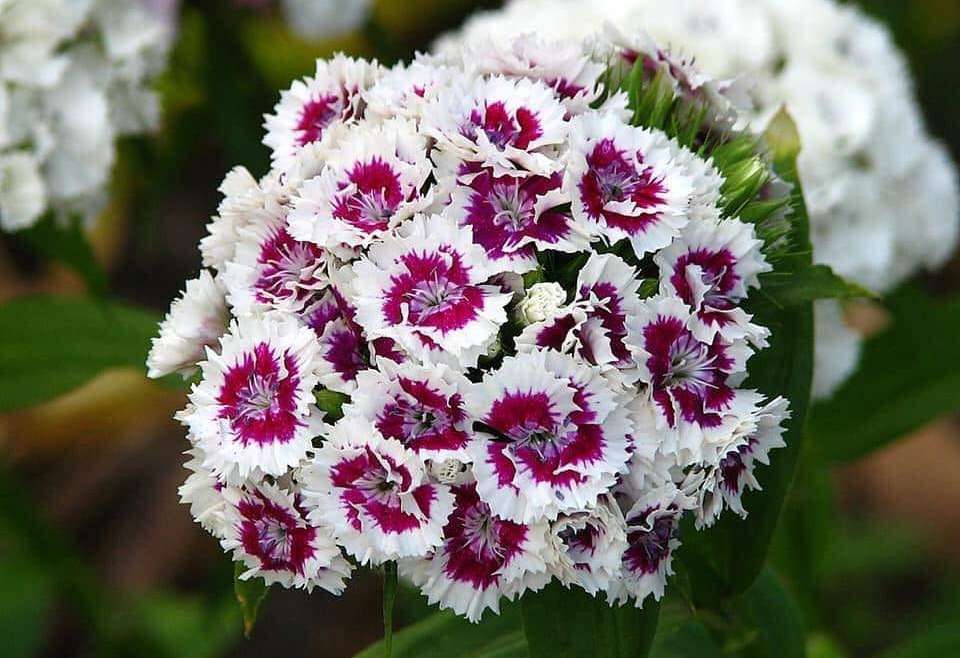
Sweet William is a delightful and vibrant biennial flower known for its frilly blooms, spicy clove-like fragrance, and ability to attract pollinators. With blooms that come in shades of pink, red, white, and purple, it’s no wonder that Sweet William has long been a garden favorite. But did you know that your Sweet William plants can thrive even more when paired with the right companions? That’s where companion planting comes in.
Companion planting is a time-tested gardening technique where different plants are grown near each other to enhance growth, reduce pests, and support biodiversity. If you’re looking to grow healthier Sweet Williams, maximize space, and enhance your garden’s beauty and productivity, companion planting is worth considering.
In this blog post, we’ll explore why you should practice companion planting with Sweet William, highlight the best companion plants, identify plants to avoid, and give you some expert tips on growing companions with Sweet William for optimal results.
Why You Should Consider Companion Planting for Sweet William
There are several reasons why companion planting is beneficial for Sweet William. Here’s a closer look at what makes this approach a smart strategy:
1. Pest Control
Sweet William can attract beneficial insects like bees and butterflies, but it can also be susceptible to aphids, spider mites, and slugs. Companion plants can act as natural repellents for these pests. Certain aromatic herbs or flowers can mask the scent of Sweet William or repel harmful insects altogether.
2. Attracting Beneficial Insects
Pollinators and predatory insects (like ladybugs and lacewings) are essential to a healthy garden. Companion plants with similar bloom times and nectar offerings can bring in these allies, boosting not just Sweet William’s health but that of your entire garden.
3. Maximizing Space and Soil Health
Sweet William’s shallow root system allows it to coexist well with deeper-rooted plants. Pairing it with companions that don’t compete heavily for resources can make your beds or borders more productive and resilient.
4. Aesthetic Appeal
Let’s not forget the beauty of a well-designed flower bed. Companion planting with Sweet William means combining textures, heights, and bloom colors that can turn your garden into a living tapestry.
Best Companion Plants for Sweet William

When it comes to choosing the right companions for Sweet William, it helps to look for plants that share similar growing conditions (full sun to partial shade, well-drained soil) and bloom periods. Here are some top choices:
1. Lamb’s Ear
Lamb’s Ear provides a soft, silvery-gray foliage contrast to Sweet William’s colorful blooms. It also thrives in similar conditions and serves as an excellent ground cover, helping suppress weeds and retain soil moisture.
2. Shasta Daisy
Shasta daisies are perfect partners with their tall stems and cheerful white blooms. They not only complement Sweet William’s color palette but also help attract pollinators and beneficial insects.
3. Lavender
Lavender’s soothing scent deters pests like aphids while attracting bees and butterflies. It enjoys similar sun and soil requirements, making it an ideal aromatic companion for Sweet William.
4. Salvia
Salvia’s vertical form and vibrant spikes of purple, blue, or red flowers pair beautifully with the mounded form of Sweet William. Both attract pollinators and bloom around the same time, enhancing visual interest and biodiversity.
5. Snapdragons
Snapdragons offer a delightful vertical contrast and a similar bloom period. Their wide range of colors allows you to create harmonious or bold combinations with Sweet William.
6. Yarrow
Yarrow is another pollinator magnet that enjoys sunny spots and well-drained soil. Its flat-topped clusters complement Sweet William’s tighter blooms and create a naturalistic, cottage-garden vibe.
7. Marigolds
Marigolds are known for their pest-repelling properties. Their scent deters nematodes, aphids, and even rabbits, offering protection to more delicate flowers like Sweet William.
8. Chives or Garlic
These alliums can act as pest repellents, especially for aphids and Japanese beetles. They also fit nicely into mixed flower and vegetable beds with Sweet William.
Plants to Avoid Planting Near Sweet William

Not all plants get along with Sweet William. Some compete for resources, harbor pests, or prefer entirely different growing conditions. Avoid pairing Sweet William with the following:
1. Mint
Although mint is a strong pest repellent, it spreads aggressively and can quickly overtake flower beds. Its fast-growing roots will compete with Sweet William for nutrients and water.
2. Ferns
Ferns prefer shady, moist environments that are incompatible with Sweet William’s preference for sun and well-drained soil. They simply won’t thrive together.
3. Hostas
Hostas are slug magnets—and since slugs also like Sweet William, planting them nearby can invite an unwanted infestation.
4. Large Shrubs or Dense Foliage Plants
Anything that casts too much shade or crowds the area (such as boxwoods or ornamental grasses) may stunt Sweet William’s growth. Sweet William needs light and air circulation to avoid mildew and fungal issues.
5. Cabbage Family (Brassicas)
Plants like broccoli, kale, and cabbage tend to attract aphids and cabbage worms—pests that might spill over and affect Sweet William.
Tips for Growing Companion Plants with Sweet William
To ensure a successful companion planting experience, keep the following tips in mind:
1. Match Sunlight and Soil Preferences
Sweet William thrives in full sun or partial shade and well-drained soil. Make sure its companions enjoy the same conditions to prevent uneven growth or plant stress.
2. Plan for Bloom Times
One benefit of companion planting is continuous color in the garden. Choose companions that bloom alongside or just before/after Sweet William to maintain visual interest and support pollinators throughout the season.
3. Consider Height and Spacing
Plant taller companions like salvia or snapdragons behind Sweet William to prevent shading. Always leave enough space for air to circulate to prevent disease.
4. Rotate and Refresh
Since Sweet William is biennial, its life cycle includes a leafy first year and a blooming second year. Rotate annual companions or interplant with perennials that will return year after year to maintain visual appeal.
5. Mulch and Water Wisely
Use mulch to help retain moisture and reduce weeds, especially when combining with shallow-rooted plants. Water at the base of the plant to prevent mildew on the leaves—especially important for dense groupings.
6. Prune and Deadhead
Regular deadheading of Sweet William and its companions can prolong blooming and improve garden aesthetics. It also helps prevent unwanted self-seeding.
Conclusion
Companion planting is more than just a practical technique—it’s a way to create a vibrant, harmonious ecosystem in your garden. When grown alongside supportive plants, Sweet William can flourish in both beauty and vitality. By choosing the right companions—like lavender, snapdragons, and yarrow—and avoiding poor matches like mint and hostas, you’ll cultivate a more resilient and rewarding garden.
Whether you’re a beginner experimenting with garden design or an experienced green thumb looking to optimize your space, the art of companion planting with Sweet William is a fulfilling way to enhance both plant health and garden beauty. So, next planting season, try pairing your Sweet William with a few of these companions—you’ll be glad you did.
Sign up to get our FREE weekly emails
Gardening guides, tips, & videos delivered right to your inbox!


