

Growing Sweet William offers vibrant, fragrant flowers that attract pollinators like bees and butterflies, enhancing your garden’s ecosystem.
Sweet William. Simple name, incredible flower. If you’ve never come across one, think of it as the understated cousin of your favorite spring blooms. A little wild, a little formal, and with a fragrance that lingers like a soft summer breeze. Sweet William’s not just a pretty face; it’s a showstopper when it comes to attracting bees and butterflies, making it a top choice for garden pollinators.
They thrive in early spring, bursting out with colors ranging from deep reds to soft pinks, and let’s not forget the lovely white ones. If you’re into low-maintenance flowers that bring a punch of personality to your garden, Sweet William is your guy. They can handle some cool temperatures and light frosts, so don’t worry if winter has overstayed its welcome—these blooms are tough.
Now, they won’t do well if you try to stick them in a too-small pot and forget about them. Give them some space to stretch out and let their roots take hold. And like any garden diva, they appreciate good soil, a little sun, and a few extra waterings when it’s hot.
The plant itself? Oh, it’s charming. Compact, but with a soft, wild growth habit that makes it feel like it’s meant to be in a meadow, not a perfectly manicured garden. Plus, it attracts a parade of visitors—bees, butterflies, and probably a few envious neighbors.
How to Grow Sweet William
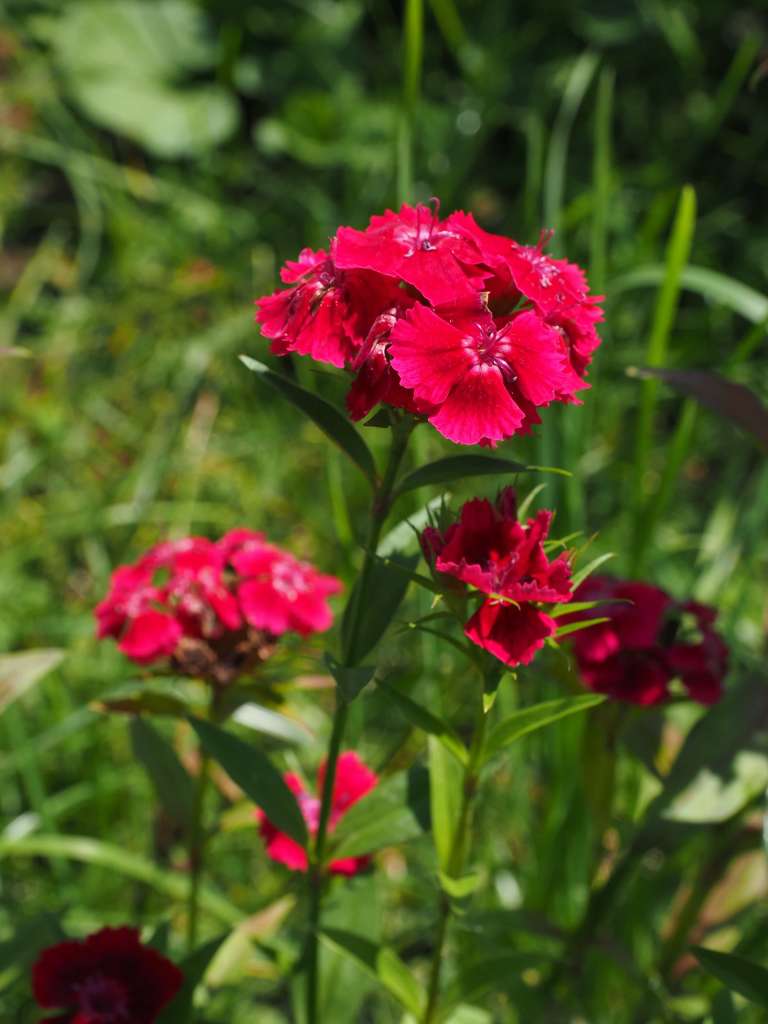
Growing Sweet William is a fun experience for gardeners. These biennial or short-lived perennial flowers are known for their bright, colorful clusters and spicy fragrance.
They are relatively easy to care for and add charm to any garden.
Planting Sweet William
- Location:
- Choose a location with full sun or partial shade. Sweet William thrives in well-drained soil that is slightly alkaline to neutral.
- Soil Preparation:
- Prepare the soil by working in compost or well-rotted manure to improve fertility and drainage. Sweet William prefers rich, well-drained soil.
- Planting Time:
- You can sow seeds indoors 6-8 weeks before the last frost or directly sow them outdoors after the danger of frost has passed. Transplant seedlings when they are large enough to handle, spacing them about 6-12 inches apart.
- Planting Depth:
- If starting from seeds, plant them just below the surface of the soil, covering lightly with soil or compost.
Growing Sweet William
- Watering:
- Water the plants regularly to keep the soil consistently moist, especially during dry spells. Avoid overwatering, as this can lead to root rot.
- Fertilizing:
- Fertilize your Sweet William plants with a balanced fertilizer every 4-6 weeks during the growing season to encourage lush growth and vibrant blooms.
- Deadheading:
- Regularly remove spent flowers to encourage more blooms and prolong the flowering period.
- Mulching:
- Apply a layer of mulch around the plants to help retain moisture, suppress weeds, and keep the soil temperature stable.
Caring for Sweet William
- Pests and Diseases:
- Sweet William is generally resistant to pests, but watch for aphids and spider mites. If you notice any, treat them with insecticidal soap or a strong spray of water. Powdery mildew and rust can affect the plants in humid conditions, so ensure good air circulation around them.
- Winter Care:
- In colder climates, Sweet William is a biennial or short-lived perennial. Mulch the base of the plants in late fall to protect them from winter frost, especially in areas with harsh winters.
- Propagation:
- Sweet William can be propagated by seed, division, or cuttings. Collect seeds from mature plants to sow for the next season, or divide clumps in early spring or after flowering.
- Companion Planting:
- Sweet William pairs well with other cottage garden favorites like roses, delphiniums, and peonies. Their bright, fragrant flowers attract pollinators, making them a good addition to any garden.
Sweet William Growing Zone
Sweet William (Dianthus barbatus) is a flowering plant that thrives in USDA hardiness zones 3 through 9.
These zones cover a wide range of climates, making Sweet William a versatile plant that can grow in both cooler and warmer regions.
Growing Sweet William FAQ
Sweet William can be planted in early spring after the last frost or in late summer or early fall for blooms the following year. If planting seeds directly outdoors, sow them in early spring or late summer.
Plant Sweet William in a location that receives full sun to partial shade. It thrives in well-drained, moderately fertile soil. Avoid planting in areas with heavy, waterlogged soil, as this can lead to root rot.
Sweet William requires regular watering, especially during dry periods. Keep the soil consistently moist but not soggy. Deadhead spent blooms to encourage further flowering and extend the blooming period. Mulching around the plants can help retain moisture and suppress weeds.
Yes, Sweet William can be grown in containers. Choose a pot with good drainage and use a high-quality potting mix. Ensure the container is large enough to accommodate the plant’s root system.
Sweet William can be propagated from seeds, cuttings, or by dividing established clumps. Seeds can be sown indoors 6-8 weeks before the last frost or directly outdoors. Cuttings can be taken in late spring or early summer, and divisions can be done in early spring or fall.
Sweet William typically blooms from late spring to early summer. With proper care and deadheading, the blooming period can be extended. Some varieties may bloom again in the fall.
Yes, Sweet William makes an excellent cut flower. Its long-lasting blooms and pleasant fragrance make it a popular choice for floral arrangements. Cut the flowers when they are fully open for the best vase life.
Sign up to get our FREE weekly emails
Gardening guides, tips, & videos delivered right to your inbox!


