Pomegranate trees are beloved for their vibrant, sweet fruits and unique, ornamental appearance. These trees are not only valued for their beauty but also for their drought resistance and ability to thrive in warm climates.
Regardless if you’re a seasoned gardener or just starting, understanding the benefits of companion planting with your pomegranate trees can help you optimize your garden’s health and productivity.
Companion planting involves growing different plants together to enhance growth, repel pests, and improve soil quality. By selecting the right companions for your pomegranate tree, you can create a harmonious and sustainable garden that benefits both the pomegranate and other plants in your garden.
Why You Should Consider Companion Planting for Pomegranate Trees
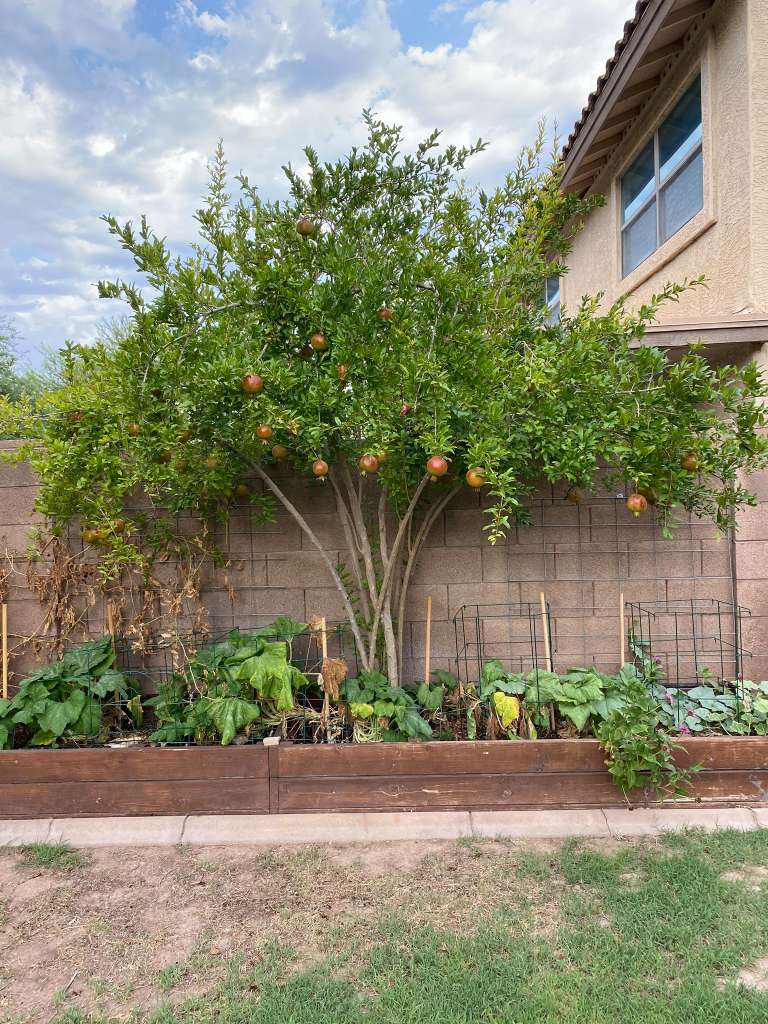
Companion planting for pomegranate trees offers a variety of advantages that can improve your garden’s overall health and the tree’s productivity. Although pomegranate trees are quite hardy and adaptable to various conditions, they can still benefit from a little extra help when planted alongside other plants.
Companion plants can provide essential nutrients, act as natural pest repellents, and offer shade or support to young pomegranate trees, promoting healthy growth.
- Improved Soil Health and Fertility: Pomegranate trees benefit from well-drained soil rich in nutrients. Some companion plants, such as legumes, are nitrogen-fixers, which means they can enrich the soil with nitrogen, a vital nutrient for pomegranate trees. By growing these plants alongside pomegranates, you can naturally improve the soil’s fertility without relying on synthetic fertilizers.
- Pest Control: Certain plants have natural insect-repelling properties that can protect your pomegranate tree from harmful pests. For instance, aromatic herbs like basil, lavender, and rosemary have been known to repel common pests such as aphids and whiteflies, which are known to affect pomegranate trees. With companion planting, you can minimize the need for chemical pesticides, which can harm beneficial insects and the overall environment.
- Pollination Support: Pomegranate trees are self-pollinating, but having companion plants that attract pollinators like bees can still increase fruit yield. Flowers such as marigolds and sunflowers are excellent companions that help attract bees and other pollinators to your pomegranate trees, ensuring that the flowers are properly pollinated and that the tree produces a bountiful harvest.
- Weed Control: By planting companion plants that spread or grow densely, you can suppress the growth of weeds around your pomegranate tree. Ground covers, such as clover or thyme, can act as natural mulches, blocking sunlight from reaching the soil and preventing the growth of weeds that could otherwise compete with your pomegranate for nutrients and water.
Best Companion Plants for Pomegranate Trees
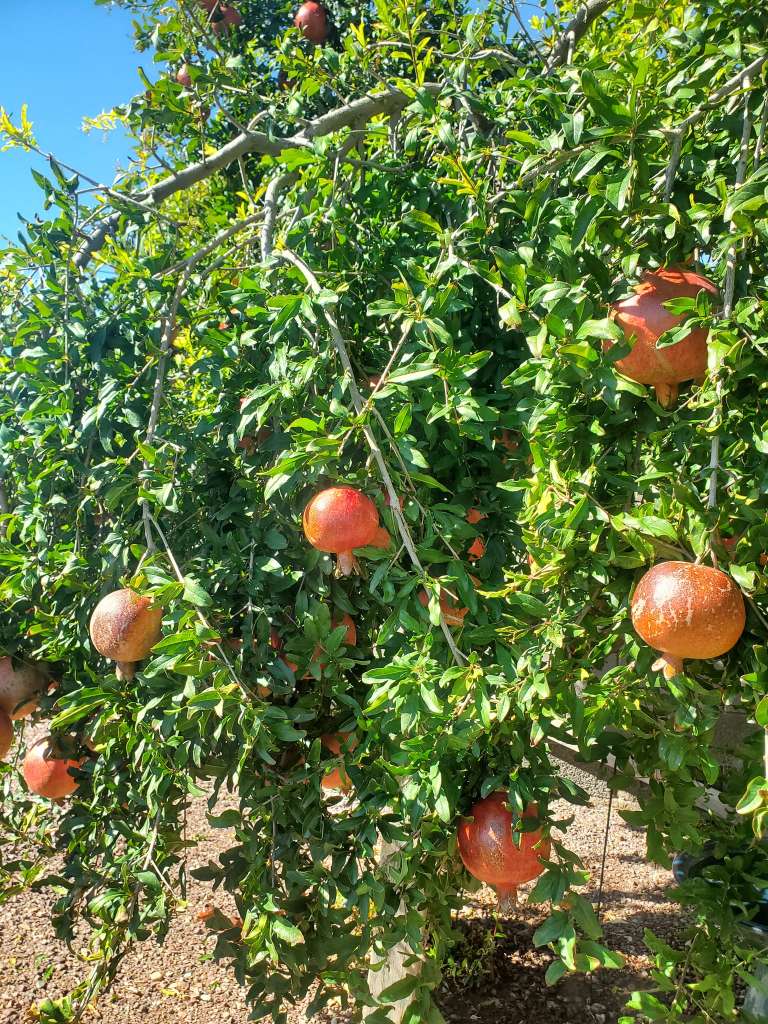
Selecting the right companion plants for your pomegranate tree is essential for maximizing the benefits of companion planting. Here are some of the best companion plants that work well with pomegranate trees:
- Basil: Basil is an excellent companion plant for pomegranate trees because it has pest-repelling properties and can help improve the flavor of pomegranate fruit. Basil deters aphids, spider mites, and other common pests, which makes it a natural protector for your pomegranate tree. Additionally, basil thrives in similar conditions to pomegranates, including full sun and well-drained soil.
- Lavender: Lavender is another aromatic herb that complements pomegranate trees. Its strong scent deters insects and pests, including aphids and whiteflies, which can damage pomegranate flowers and fruit. Lavender also attracts pollinators, such as bees, that help with the pollination of your pomegranate flowers. Additionally, lavender is drought-tolerant and grows well in the same dry, sunny conditions that pomegranate trees thrive in.
- Sunflowers: Sunflowers not only brighten up your garden but also provide significant benefits as companion plants for pomegranates. They attract bees, butterflies, and other pollinators, which can increase the chances of successful pollination for your pomegranate tree. Sunflowers also act as natural trellises for climbing plants, creating a beneficial vertical structure within your garden.
- Marigolds: Marigolds are popular companion plants for many fruit trees, and pomegranate trees are no exception. These bright, cheerful flowers emit a strong scent that repels insects, including aphids, nematodes, and whiteflies, all of which can harm your pomegranate tree. Marigolds also attract pollinators, which can enhance the fruiting of your pomegranate tree.
- Garlic and Onions: Garlic and onions are excellent companion plants for pomegranates because they have natural pest-repellent properties. The strong odor of garlic and onions deters aphids, mealybugs, and other pests that may target your pomegranate tree. These plants are also low-maintenance and grow well in the same well-drained, sun-soaked conditions favored by pomegranate trees.
- Clover: Clover is a fantastic ground cover that can be planted near pomegranate trees. As a nitrogen-fixing plant, clover helps to improve the soil’s nutrient content, making it a perfect companion for pomegranates, which benefit from fertile, well-drained soil. Clover also acts as a natural mulch, keeping the soil moist and suppressing weed growth around the pomegranate tree.
- Thyme: Thyme is another aromatic herb that can work well as a companion plant for pomegranates. Like basil and lavender, thyme has pest-repelling qualities, particularly against aphids and whiteflies. Additionally, thyme grows as a ground cover, helping to reduce weeds and maintain soil moisture. Thyme is also drought-tolerant and can withstand the same hot, dry conditions that pomegranates love.
Plants to Avoid Planting Near Pomegranate Trees

While there are many beneficial companion plants for pomegranates, there are also certain plants that you should avoid planting near your pomegranate trees. These plants can hinder growth, attract pests, or compete for resources. Here are a few plants to avoid:
- Cabbage Family (Brassicas): Plants in the cabbage family, such as broccoli, cauliflower, and kale, are not ideal companions for pomegranates. These plants can attract pests like aphids and caterpillars that may also target your pomegranate tree. Furthermore, they may compete for nutrients in the soil, reducing the available resources for your pomegranate tree.
- Nightshades (Tomatoes, Peppers, and Eggplants): Nightshades, including tomatoes, peppers, and eggplants, should not be planted near pomegranates. These plants are susceptible to similar diseases, such as blight and fusarium, which can spread to your pomegranate tree. Additionally, nightshades have deep root systems that may compete for water and nutrients with the shallow roots of pomegranate trees.
- Fennel: Fennel is known to be allelopathic, meaning that it can release chemicals into the soil that inhibit the growth of other plants. Planting fennel near your pomegranate tree can harm its growth and potentially reduce the yield of fruit. It’s best to plant fennel away from your pomegranate to avoid these negative effects.
- Mint: While mint has a variety of uses, it’s best to avoid planting it near pomegranate trees. Mint is highly invasive and can quickly spread throughout your garden, potentially competing with your pomegranate tree for water and nutrients. If you do wish to grow mint, it’s better to plant it in a contained area, such as a pot or raised bed, to prevent it from overtaking other plants.
Tips for Growing Companion Plants with Pomegranate Trees

Successfully growing companion plants with your pomegranate trees requires a bit of planning and consideration. Here are some tips to ensure your pomegranate and companion plants thrive together:
- Consider Spacing: Pomegranate trees need adequate space to grow, and companion plants should not crowd or overshadow the tree. Be mindful of the space between plants, allowing each one to receive sufficient sunlight and airflow. Avoid planting tall or bushy plants directly next to the pomegranate tree to prevent shading its branches.
- Watering Needs: While pomegranates are drought-tolerant, companion plants may have different watering requirements. Group plants with similar water needs together to ensure that you’re not overwatering or underwatering any of the plants. Plants like thyme and lavender, which are drought-tolerant, will be good companions for your pomegranate tree’s water needs.
- Pruning and Maintenance: Some companion plants, such as sunflowers and marigolds, may require occasional pruning to maintain their health and prevent them from overshadowing your pomegranate tree. Regularly check the health of your companion plants and remove any dead or damaged foliage to ensure that the pomegranate tree remains free from disease and pests.
- Mulching: Mulching around your pomegranate tree can help maintain soil moisture, suppress weeds, and improve soil quality. Consider using organic mulch, such as wood chips or straw, which can decompose over time and provide nutrients to both the pomegranate tree and its companion plants.
- Rotate Companion Plants: To maintain healthy soil, practice crop rotation with your companion plants. Avoid planting the same companion plants in the same location every year, as this can deplete the soil of essential nutrients. Rotate your companion plants to ensure a balanced, nutrient-rich environment for your pomegranate tree.
Conclusion
Companion planting for pomegranate trees is an effective way to enhance the growth, health, and productivity of your trees while minimizing the need for chemical pesticides.
By choosing the right companions, such as basil, lavender, and marigolds, and avoiding plants like fennel and nightshades, you can create a thriving, biodiverse garden.
Sign up to get our FREE weekly emails
Gardening guides, tips, & videos delivered right to your inbox!