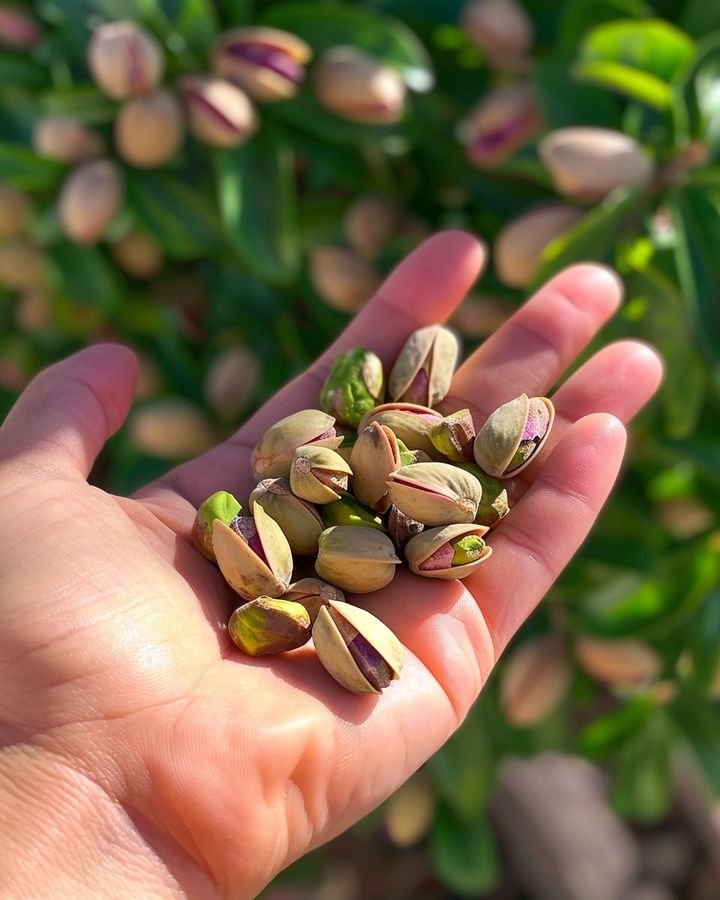
If you’re tending a pistachio orchard or even a single tree in your backyard, you know growing these unique nut trees is a rewarding but patient endeavor. Pistachios thrive in hot, dry climates with well-draining soil, but did you know the right companion plants can make a world of difference for your tree’s health, yield, and pest resistance?
In this post, we’ll dive deep into the art and science of companion planting for pistachio trees—offering practical advice to nurture a thriving, sustainable orchard or garden.
Let’s get growing!
Why Companion Planting Matters for Pistachio Trees
Companion planting is an ancient gardening technique that pairs certain plants together for mutual benefit. Think of it as having the perfect neighbor who helps keep pests away, enriches the soil, or even improves flavor. For pistachio trees, companion planting is especially helpful because pistachios have specific needs: they prefer alkaline, well-drained soils and can be susceptible to pests like aphids, leafhoppers, and fungal diseases.
By carefully choosing companion plants, you create a mini-ecosystem that encourages healthy tree growth, reduces reliance on chemicals, and enhances biodiversity. Plus, some companions bring visual and aromatic appeal, making your orchard a fragrant, buzzing oasis.
Best Companion Plants for Pistachio Trees
1. Legumes: The Nitrogen Fixers
Leguminous plants like clover, vetch, or lupines are a pistachio’s best friend beneath the soil. These green gems fix atmospheric nitrogen, enriching the soil naturally. Planting clover as a ground cover beneath pistachio trees helps improve soil fertility without the harshness of synthetic fertilizers.
Imagine the soft green carpet of clover under your pistachio, releasing a fresh, earthy scent on a warm morning. Plus, clover attracts beneficial pollinators, making your garden hum with life.
2. Herbs with Pest-Repellent Powers
Basil, thyme, and rosemary are not just kitchen staples—they act as natural pest deterrents. Their aromatic oils confuse pests like aphids or leafhoppers that target pistachio leaves. Rosemary, with its piney fragrance, also attracts predatory insects that feast on harmful pests.
Try planting rosemary bushes at the orchard edges and scatter thyme and basil around the base of your pistachio trees. The mingling scents not only protect but make your orchard smell like a Mediterranean herb garden.
3. Marigolds: Colorful Pest Fighters
Bright and cheerful marigolds serve a dual purpose. Their vibrant orange and yellow flowers attract beneficial insects such as ladybugs and parasitic wasps, both natural enemies of pistachio pests. Marigolds also produce compounds in the soil that suppress nematodes harmful to pistachio roots.
Interplant marigolds among your pistachio trees to add bursts of color and a protective shield—plus, who doesn’t love a pop of sunshine in their orchard?
4. Comfrey: The Dynamic Nutrient Recycler
Comfrey is a powerhouse companion. Its deep roots mine nutrients like potassium and phosphorus from the soil and bring them to the surface. When comfrey leaves fall or are cut back as mulch, they release these nutrients slowly, feeding your pistachio tree naturally.
Plant comfrey near your trees and regularly harvest its leaves for mulch—your pistachios will thank you with better growth and nut production.
How to Companion Plant with Pistachios: Step-by-Step

- Assess Your Soil and Space: Pistachio trees need well-draining, slightly alkaline soil. Choose companions that thrive in similar conditions. Avoid water-hungry plants that compete for moisture in dry climates.
- Plan Your Layout: Position legumes as ground covers to fix nitrogen. Place aromatic herbs like rosemary and basil around tree bases or along orchard rows. Scatter marigolds for color and pest control, and allocate patches for comfrey.
- Plant Mindfully: Start companions in early spring or fall to establish roots before the hottest summer months. Water young plants well but avoid overwatering pistachios, which dislike soggy soil.
- Maintain and Monitor: Prune herbs regularly to encourage fresh growth and stronger aromas. Cut comfrey leaves for mulch 3-4 times a year. Keep an eye out for pest outbreaks and use companion plants as part of an integrated pest management system.
Common Mistakes to Avoid

- Overcrowding: Pistachios have extensive root systems. Crowding companions too close can compete for nutrients and water. Maintain at least 2-3 feet between companions and the tree trunk.
- Planting Water-Lovers Nearby: Avoid companions that require constant moisture (like ferns or lettuce), which can increase humidity and invite fungal problems.
- Ignoring Soil pH: Pistachios prefer alkaline soil (pH 7.0–8.0). Avoid acid-loving companions like blueberries that thrive in acidic conditions, as they won’t perform well or might harm soil balance.
- Skipping Pollinator-Friendly Plants: Without flowers that attract pollinators, pistachio trees can struggle with nut set. Don’t forget marigolds, clover, or herbs in bloom to keep bees and beneficial insects buzzing.
Real-Life Success Story: A California Pistachio Orchard
On a sunny ranch in California’s Central Valley, an innovative farmer integrated companion planting with pistachio trees to combat persistent aphid problems and boost soil health. By planting clover as a living mulch and interspersing rows with rosemary and marigolds, he saw a 30% reduction in pesticide use over two seasons. The orchard’s soil improved noticeably, becoming richer and softer with less erosion after heavy winter rains. Visitors remarked on the sweet herbal scent and vibrant colors—a true sensory delight!
Frequently Asked Questions About Companion Planting for Pistachio Trees
It’s possible, but choose drought-tolerant, low-water veggies like herbs or root crops, and keep them a few feet away to avoid root competition.
Most companions for pistachios prefer moderate watering. Overwatering can harm pistachio roots, so water deeply but infrequently.
Generally, companions attract beneficial insects. However, monitoring your orchard regularly helps catch any unwanted pests early.
Yes! Clover and vetch are excellent cover crops for fixing nitrogen and protecting soil.
Conclusion: Grow Smarter, Grow Together
Companion planting isn’t just a gardening trend; it’s a time-tested way to nurture your pistachio trees naturally while enhancing your orchard’s beauty and resilience. From fragrant herbs to colorful marigolds and hardworking legumes, the right neighbors can transform your pistachio-growing experience.
Ready to try companion planting in your garden? Share your thoughts, questions, or success stories in the comments below. And if you want more expert tips delivered straight to your inbox, don’t forget to sign up for our newsletter!
Happy growing—and here’s to a bountiful pistachio harvest!
Sign up to get our FREE weekly emails
Gardening guides, tips, & videos delivered right to your inbox!