

Pineapples are a tropical fruit that thrives in warm, sunny conditions. Known for their sweet and tangy flavor, they are a staple in many cuisines and an exciting addition to home gardens. However, while pineapples are relatively easy to grow, companion planting can significantly boost their health, growth, and yield.
Companion planting is the practice of growing different plants near each other to benefit one another in various ways. From pest control to improved soil health, companion plants can support your pineapple’s growth in ways you might not expect.
In this blog post, we’ll explore why companion planting is beneficial for pineapples, the best plants to grow alongside them, plants to avoid, and tips for successfully growing companion plants with pineapples.
Why You Should Consider Companion Planting for Pineapples
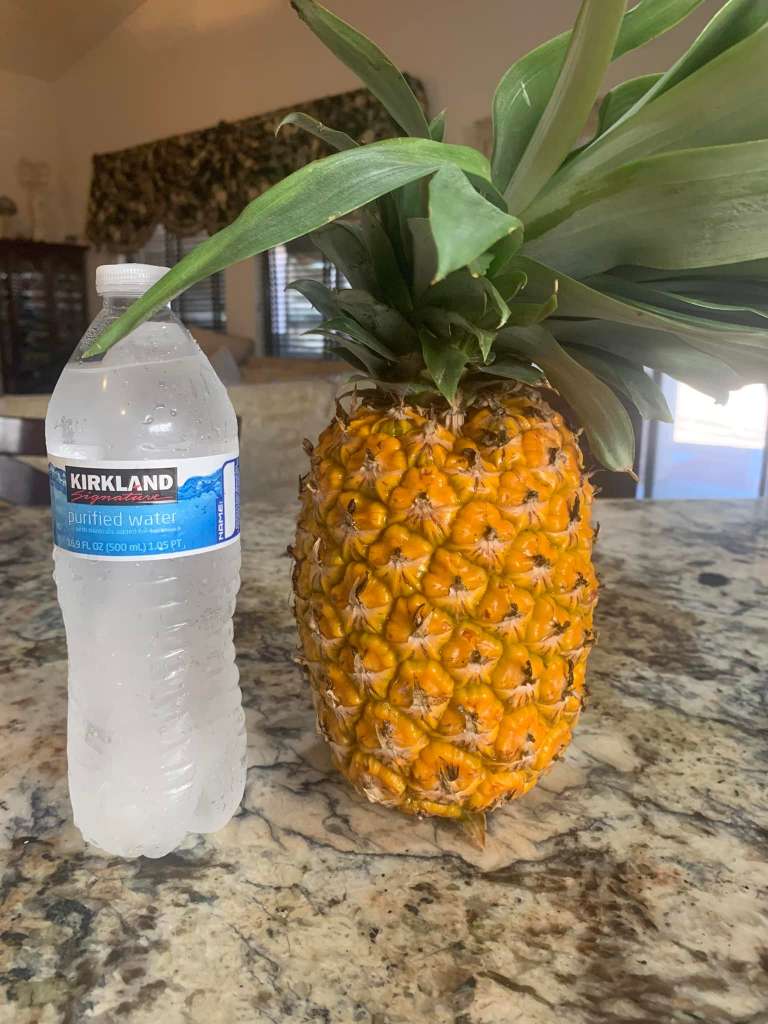
Companion planting offers a variety of advantages that can help your pineapple plants thrive in your garden or greenhouse. Here are a few reasons why you should consider it:
- Pest Control: Some plants have natural properties that help repel pests that might otherwise harm your pineapple plants. Companion plants that deter common garden pests, such as aphids, mealybugs, and ants, can be a natural alternative to chemical pesticides.
- Improved Pollination: While pineapples are not dependent on insect pollination for fruit production, having the right companion plants nearby can attract beneficial pollinators like bees and butterflies. These pollinators can improve the overall health of your garden.
- Soil Health: Certain plants can enhance soil fertility by fixing nitrogen or improving drainage. For instance, leguminous plants are known to enrich the soil with nitrogen, a vital nutrient for healthy growth. Pineapples will benefit from these healthier soil conditions, leading to more robust and fruitful plants.
- Shade and Temperature Regulation: Pineapples are tropical plants, but in very hot climates, they can struggle under intense heat. Companion plants that provide shade during the hottest part of the day can help protect pineapples from sunburn while still allowing them to receive ample sunlight for optimal growth.
- Maximizing Space: Companion planting allows you to maximize the use of your garden space. By carefully selecting plants that grow well together, you can make the most out of your planting area without overcrowding or competing for resources.
Best Companion Plants for Pineapples
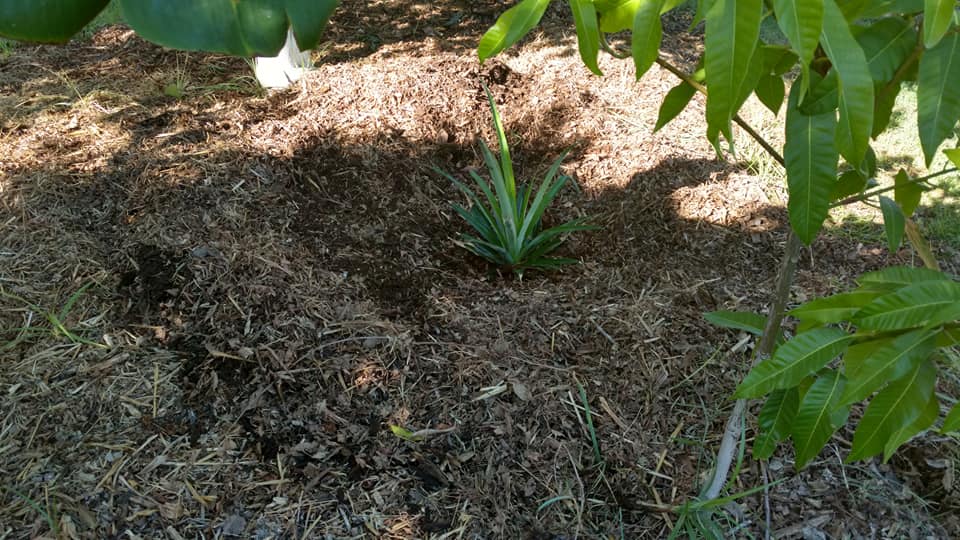
Now that we understand the benefits of companion planting, let’s take a look at some of the best plants to grow alongside pineapples.
- Herbs
Herbs such as basil, oregano, and mint are excellent companions for pineapples. These herbs have strong scents that help repel pests, making them natural protectors for your pineapple plants.
- Basil: Basil can help deter pests like aphids and spider mites, which can damage your pineapple plants. Additionally, basil’s aromatic scent helps mask the smell of the pineapple, which can attract certain pests.
- Mint: Mint is another herb known for its pest-repellent properties. Mint is particularly good at keeping ants, fleas, and aphids at bay. However, it’s a spreading plant, so it’s best to plant mint in a container or keep it in check to prevent it from overtaking your garden.
- Oregano: Like basil, oregano repels pests such as aphids and spider mites. It also attracts beneficial insects like ladybugs, which prey on common garden pests.
- Marigolds
Marigolds are a popular companion plant for a variety of crops, including pineapples. These bright, cheerful flowers have a strong scent that repels harmful insects like nematodes, aphids, and whiteflies. Marigolds also attract beneficial insects such as ladybugs, which will help keep pest populations under control.
- Aloe Vera
Aloe vera is another plant that works well with pineapples. Both plants share similar growing conditions, such as well-drained soil and lots of sunlight. Aloe vera can help improve soil quality by adding organic matter and is known for its ability to retain moisture, which can be beneficial during dry periods.
- Garlic and Onions
Garlic and onions can help deter pests such as aphids, mealybugs, and scale insects, which are common pests for pineapples. These plants are natural repellents, thanks to their strong odor, which pests find off-putting. Additionally, garlic and onions are both relatively low-maintenance, making them easy to grow alongside pineapples.
- Lemongrass
Lemongrass has a strong citrus scent that is effective in repelling mosquitoes and other pests. It can also provide a bit of shade during the hottest parts of the day, protecting your pineapples from sunburn. Lemongrass is drought-tolerant, making it an ideal companion for the water-conscious pineapple plant.
- Beans and Legumes
Beans and legumes, such as peas and clover, are great companions for pineapples because they are nitrogen-fixing plants. These plants help add nitrogen to the soil, improving its fertility and promoting better growth for your pineapple plants. Furthermore, beans and legumes tend to grow quickly, so they won’t compete with your pineapple plants for space for long.
Plants to Avoid Planting Near Pineapples
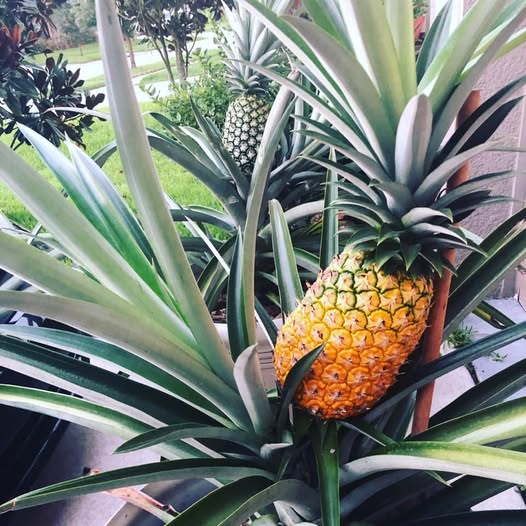
While there are plenty of plants that complement pineapples well, there are also some plants that you should avoid planting near them. These plants either compete with pineapples for resources or attract pests that can harm your pineapple plants. Here are a few to watch out for:
- Tomatoes
Tomatoes, while often planted alongside other crops, are not ideal companions for pineapples. They are prone to similar pests as pineapples, such as aphids and mealybugs. Additionally, tomatoes require a lot of water, which can make them compete with your pineapples for moisture, potentially stunting their growth.
- Potatoes
Like tomatoes, potatoes and pineapples share similar pest problems, particularly aphids and fungus. Potatoes also require a lot of water, which could drain resources from your pineapple plants, leading to poor growth. Potatoes may also be more prone to diseases that could spread to your pineapple plants.
- Cabbage and Other Brassicas
Brassicas, such as cabbage, kale, and broccoli, are heavy feeders that require lots of nutrients from the soil. Their need for high nitrogen levels can lead to nutrient competition with pineapples. Furthermore, these plants can attract cabbage worms and aphids, which could cause harm to your pineapple plants.
- Strawberries
Strawberries, although relatively low-maintenance, do not make good companions for pineapples because they can attract pests like slugs and snails. These pests can harm the leaves and fruits of your pineapple plants. Additionally, strawberries require a lot of water and could compete with your pineapple plants for moisture.
Tips for Growing Companion Plants with Pineapples
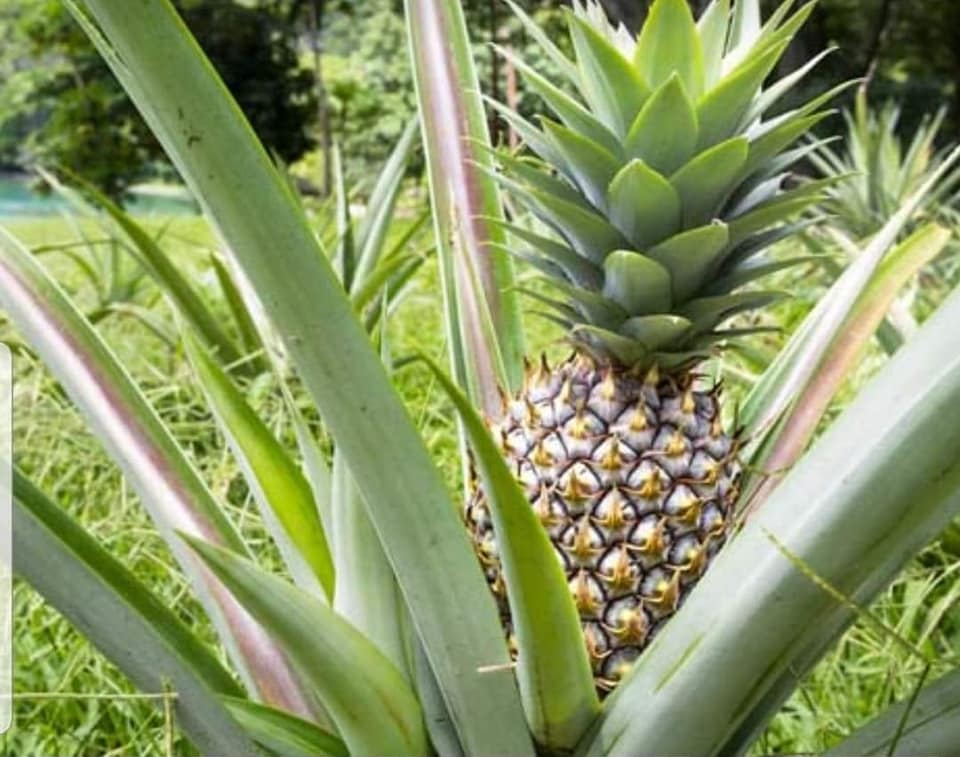
Now that you know which plants are great companions for pineapples and which ones to avoid, here are a few tips to ensure successful companion planting with pineapples:
- Space Plants Properly: Pineapples require plenty of space to grow, so it’s essential to plant companion plants in a way that they don’t overcrowd your pineapple plants. Make sure there’s enough room for the pineapple to spread out, and ensure that your companion plants don’t compete for sunlight or nutrients.
- Choose Plants with Similar Growing Needs: Pineapples thrive in well-drained, slightly acidic soil. When choosing companion plants, ensure they have similar soil and watering needs. For instance, plants like mint and marigolds also prefer well-drained soil and can tolerate dry conditions, making them ideal companions for pineapples.
- Regular Maintenance: Keep an eye on your companion plants to ensure they’re not overtaking your pineapple plants or attracting harmful pests. Regular pruning and harvesting will keep your garden healthy and prevent overcrowding.
- Rotate Companion Plants: To maintain soil fertility, consider rotating companion plants every season. This practice helps prevent soil depletion and allows the soil to recover, ensuring that your pineapple plants continue to thrive year after year.
Conclusion
Companion planting is an excellent way to enhance the growth and productivity of your pineapple plants. By choosing the right companions—such as herbs, marigolds, and legumes—you can create a harmonious garden where plants support each other. On the other hand, avoid plants like tomatoes, potatoes, and strawberries that may compete for resources or attract pests.
With careful planning and proper care, companion planting can help you grow healthy, vibrant pineapples while minimizing the need for chemical pesticides. So, consider experimenting with companion plants to boost your pineapple garden’s success and enjoy the sweet rewards of your hard work.
Sign up to get our FREE weekly emails
Gardening guides, tips, & videos delivered right to your inbox!


