
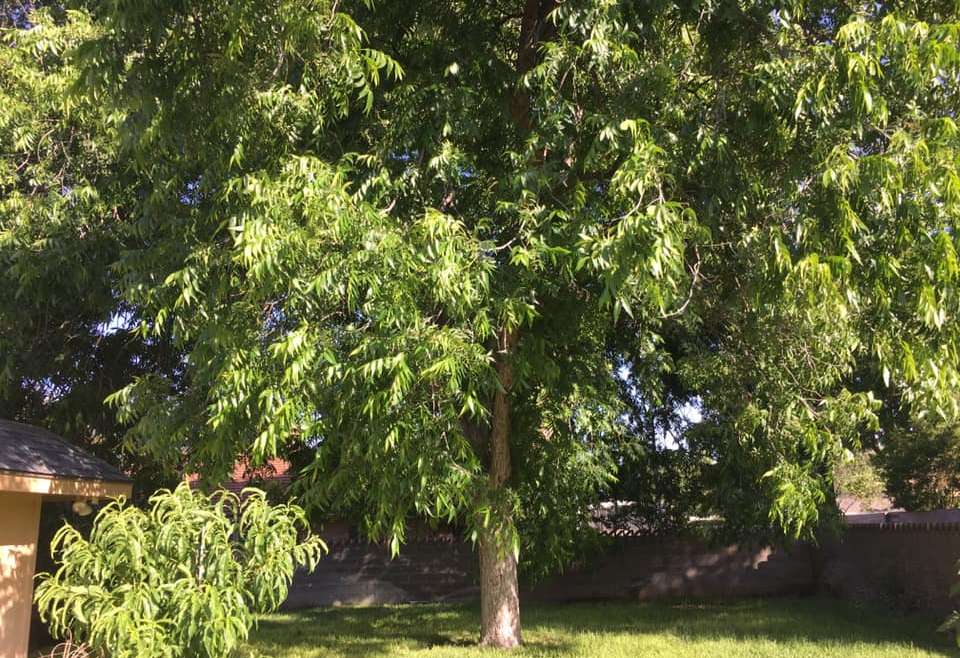
Imagine stepping into a lush pecan orchard in late fall—the rich, nutty aroma mixing with the earthy scent of fresh soil, the gentle rustle of leaves, and the promise of a bountiful harvest. Growing pecan trees is rewarding, but did you know the secret to thriving trees often lies beneath your feet and among the plants growing around them?
Welcome to the world of companion planting for pecan trees—a natural, sustainable approach that not only nourishes your trees but also helps fend off pests and enrich the soil, all while adding beauty and biodiversity to your garden.
In this post, I’ll walk you through everything you need to know about companion planting for pecan trees—sharing expert insights, practical advice, and some common pitfalls to avoid.
Why Companion Planting Matters for Pecan Trees
Pecan trees are majestic giants that demand rich soil, ample space, and patience. However, they don’t thrive in isolation. Companion planting is the practice of growing certain plants nearby that mutually benefit each other—through pest control, nutrient enhancement, or improving soil texture.
Think of it as a friendly neighborhood where each plant plays a role, helping pecans grow stronger and healthier without relying heavily on chemical fertilizers or pesticides.
How Companion Plants Help Pecans
- Improve Soil Fertility: Nitrogen-fixing plants like clover enrich the soil, boosting pecan tree growth.
- Pest Management: Aromatic herbs like rosemary or garlic repel common pecan pests such as aphids and pecan weevils.
- Attract Beneficial Insects: Flowers like marigolds draw pollinators and predatory insects that keep harmful bugs in check.
- Enhance Soil Texture: Deep-rooted plants break up compact soil, improving water absorption around pecan roots.
Best Companion Plants for Pecan Trees
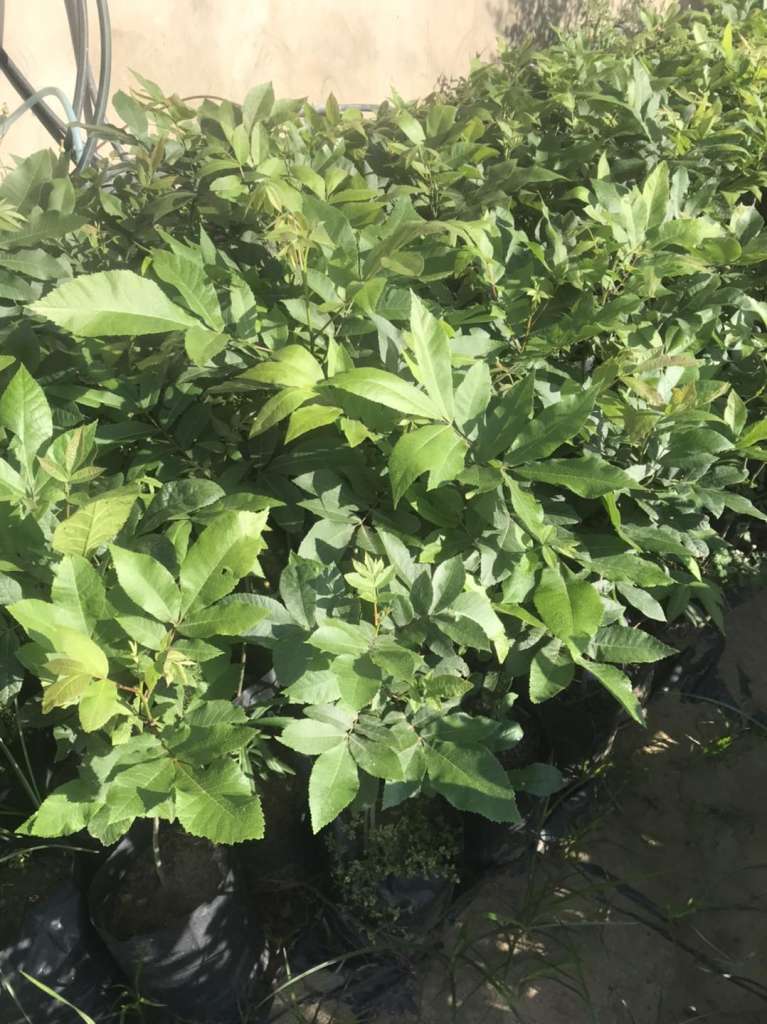
1. Clover — The Natural Soil Enricher
Clover acts as a living mulch around pecan trees, covering the soil with a soft green carpet. It fixes atmospheric nitrogen into the soil, gently feeding pecan roots throughout the growing season.
Tip: Choose white clover, which is low-growing and won’t compete heavily with pecan roots for water.
2. Garlic and Chives — The Pest Repellent Duo
The pungent fragrance of garlic and chives sends pests packing. Plant these around the base of your pecan trees to deter aphids, mites, and even squirrels.
Planting advice: Garlic prefers well-drained soil and can be planted in the fall for a summer harvest. The slender leaves of chives provide a lovely textural contrast near your tree’s trunk.
3. Marigolds — The Bright Bug Busters
With their cheerful orange and yellow blooms, marigolds not only brighten your orchard but also attract beneficial insects like ladybugs and lacewings that feast on pecan pests.
Gardening tip: Plant marigolds in clusters near pecan trees to maximize their pest-repelling power.
4. Comfrey — The Dynamic Nutrient Recycler
Comfrey’s deep roots mine minerals from the soil’s depths, which its leaves release back as natural mulch. Cut and drop comfrey leaves around your pecan trees during the growing season to provide a slow-release fertilizer.
Care note: Comfrey spreads aggressively; plant it in a contained area or pot.
How to Implement Companion Planting in Your Pecan Orchard
Step 1: Assess Your Orchard Environment
Understand your soil type, sun exposure, and moisture levels. Pecan trees prefer deep, well-drained soils with full sun. Choose companion plants that thrive in similar conditions.
Step 2: Plan Your Planting Layout
Space companion plants thoughtfully. For instance, clover can blanket the orchard floor, while garlic and marigolds grow in defined patches near tree trunks.
Step 3: Prepare the Soil
Loosen soil around pecan trees with a garden fork to improve aeration. Incorporate organic compost to enrich the soil before planting companions.
Step 4: Plant with Purpose
Plant your companions during appropriate seasons—clover in spring or early fall, garlic in fall, marigolds after the last frost, and comfrey in early spring.
Step 5: Maintain Regularly
Water companion plants as needed but avoid overwatering pecan roots. Mulch with organic materials like straw or shredded leaves to retain moisture and suppress weeds.
Common Mistakes to Avoid
- Overcrowding: Pecan trees have extensive root systems; don’t plant companions too close and compete for nutrients or water.
- Ignoring Seasonal Needs: Plant companions at the right time to ensure they establish well and benefit the pecans.
- Using Invasive Plants: Avoid companions like mint that spread aggressively and could choke your orchard.
- Skipping Soil Tests: Understanding your soil’s pH and nutrient content is crucial for selecting the right companions.
Conclusion: Let Your Pecan Orchard Thrive Naturally
Companion planting is more than a gardening technique—it’s a beautiful dance of nature’s teamwork that helps your pecan trees flourish. By thoughtfully choosing plants that enrich soil, fend off pests, and attract beneficial insects, you create a vibrant, resilient orchard that rewards you season after season.
Ready to start your companion planting journey? Share your questions or your own companion planting stories in the comments below! And don’t forget to subscribe to our newsletter for more gardening wisdom delivered right to your inbox.
Sign up to get our FREE weekly emails
Gardening guides, tips, & videos delivered right to your inbox!


