Pine nuts, small and teardrop-shaped seeds harvested from certain species of pine trees, are prized for their rich, buttery flavor and delicate texture.
Often used in Mediterranean and Italian cuisines, these nuts are a key ingredient in traditional dishes like pesto, where they add a subtle nutty taste and creamy consistency.
Despite their size, pine nuts are packed with nutrients, including healthy fats, protein, and essential vitamins and minerals, making them a nutritious addition to various recipes, from salads to baked goods.
However, they can be quite expensive due to the labor-intensive harvesting process, as extracting the seeds from pine cones is both time-consuming and challenging.
How to Grow Pine Nuts
Growing pine nuts comes from pine trees, specifically from the seeds of certain species of pine trees. Below is a comprehensive guide on how to grow pine nut trees.
Planting Pine Nuts
- Choose the Right Pine Variety: Pine nuts come from specific species of pine trees, such as the Stone Pine (Pinus pinea), Pinyon Pine (Pinus edulis), and Korean Pine (Pinus koraiensis). Choose a variety that is suitable for your climate.
- Location: Pine trees prefer full sun and well-drained soil. Ensure that the chosen spot has enough space, as these trees can grow quite large.
- Soil Preparation: Pine trees are adaptable but prefer slightly acidic to neutral soil. Amend the soil with organic matter if necessary.
- Planting: Plant seeds or young seedlings in the spring. If using seeds, plant them about 1/2 inch deep in the soil. Space multiple trees at least 20-30 feet apart.
- Watering: Water the seedlings regularly until they are established. Afterward, pine trees are fairly drought-tolerant, but they will benefit from occasional deep watering.
Growing Pine Nuts
- Care and Maintenance: Pine trees are low-maintenance, but you should mulch around the base of the tree to retain moisture and suppress weeds. Pruning is not usually necessary unless you need to remove dead or diseased branches.
- Fertilization: Generally, pine trees do not require fertilization. However, if growth is slow, you can apply a balanced, slow-release fertilizer in the spring.
- Pest and Disease Management: Monitor the trees for common pests like pine beetles and aphids. Address any issues promptly to prevent damage.
Harvesting Pine Nuts
- Timing: Pine nuts are harvested from the cones of mature trees, typically 6-10 years old, depending on the species. Harvest time is usually in late summer to early fall when the cones have matured and begin to open.
- Collecting Cones: Collect the cones from the tree or the ground. Cones that have started to open are ideal for harvesting.
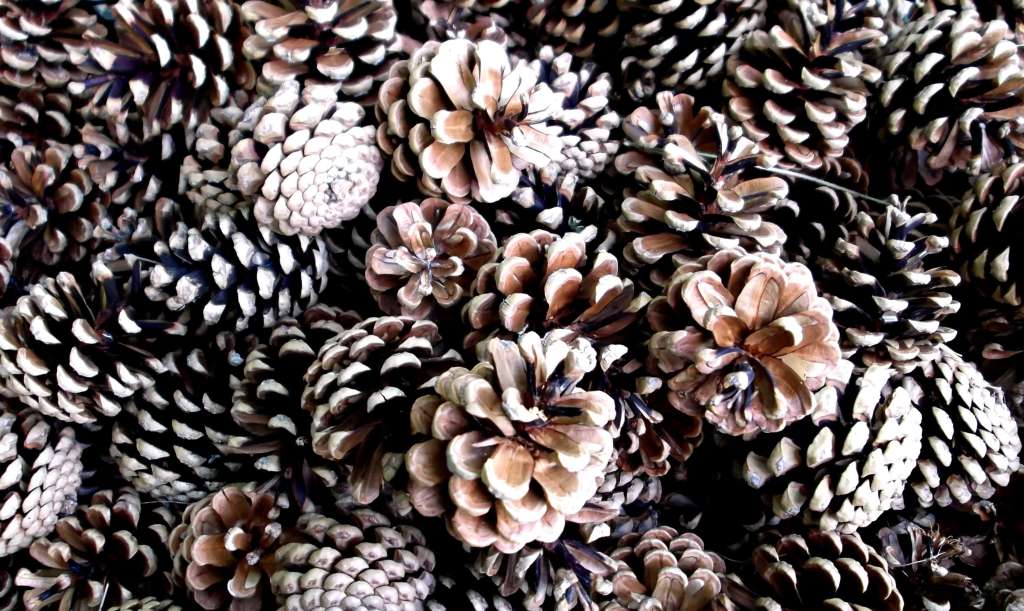
- Extracting the Nuts: To extract the pine nuts, spread the cones out in a sunny, dry area to fully open. This process can take several weeks. Once the cones are open, shake or tap them to release the nuts.
- Cleaning and Storing: Remove the pine nuts from their hard shells. You can do this manually or with a nutcracker. Store the shelled nuts in an airtight container in a cool, dry place, or freeze them to extend their shelf life.
Enjoying Pine Nuts
- Pine nuts are a delicious and nutritious addition to various dishes. They can be eaten raw, roasted, or used in cooking and baking.
Pine Nuts Growing Zone
Pine nuts are typically harvested from trees that grow in USDA hardiness zones 1 to 9. The most common species for pine nut production are:
- Pinus pinea (Stone Pine): Grows well in zones 7 to 10.
- Pinus edulis (Colorado Pinyon): Suitable for zones 5 to 8.
- Pinus cembroides (Mexican Pinyon): Thrives in zones 7 to 9.
- Pinus monophylla (Singleleaf Pinyon): Grows in zones 4 to 7.
These trees are typically found in Mediterranean climates, parts of the southwestern United States, and some areas of Central Asia.
Pine nuts require a long growing period, and it can take many years for trees to produce a significant harvest.
Growing Pine Nuts FAQ
Pine nuts come from the seeds of certain species of pine trees, primarily found in the Northern Hemisphere. These seeds are typically harvested from pine cones, with the most commonly used species being the stone pine (Pinus pinea) in the Mediterranean region and the Korean pine (Pinus koraiensis) in Asia.
Yes, pine nuts are considered tree nuts. Pine nuts are actually the edible seeds of pine trees. They grow inside the pine cones and are harvested once the cones open.
Pine nuts are harvested by collecting the cones, which usually mature in late summer to early fall. The cones are then dried in the sun to open up, allowing the nuts to be extracted. The nuts can be cracked open to reveal the edible seeds.
Pine nuts have a rich, buttery flavor with a slightly sweet undertone. Their texture is smooth and creamy when bitten into, often described as having a soft, almost melt-in-your-mouth quality. They carry a subtle earthy and nutty taste, making them a versatile ingredient in both sweet and savory dishes.
Pine nuts grow inside the cones of certain species of pine trees, primarily in the genus Pinus. The trees produce large, woody cones, and within these cones are the seeds, which are the pine nuts. It takes several years for a pine cone to mature and the seeds to develop fully. Once the cones are mature, they are harvested, and the seeds are extracted by drying and cracking open the cones.
Pine trees can take anywhere from 6 to 15 years to start producing cones that contain edible pine nuts. This varies depending on the species and growing conditions.
Pine cones are typically ready to harvest when they turn brown and start to open slightly. You can test by shaking a few cones; if the seeds rattle inside, they are ready to be harvested.
Yes, pine trees can be started in containers, especially in their early years. However, they will eventually need to be transplanted into the ground, as they can grow quite large and require more space for their roots to develop.
Sign up to get our FREE weekly emails
Gardening guides, tips, & videos delivered right to your inbox!