

Papaya is a very fast-growing tropical fruit tree known for its sweet, nutritious fruit and its ability to produce year-round in warm climates. However, like many plants, papaya can benefit from companion planting, a gardening technique where different plants are grown together to promote mutual benefits.
Choosing the right companion plants for papaya can enhance soil health, deter pests, improve pollination, and increase fruit production. On the other hand, some plants can negatively impact papaya growth by competing for nutrients or attracting harmful pests.
Well, in this guide, we’ll explore the best companion plants for papaya, the plants to avoid, and essential tips for growing papaya with its companions.
Why You Should Consider Companion Planting for Papaya
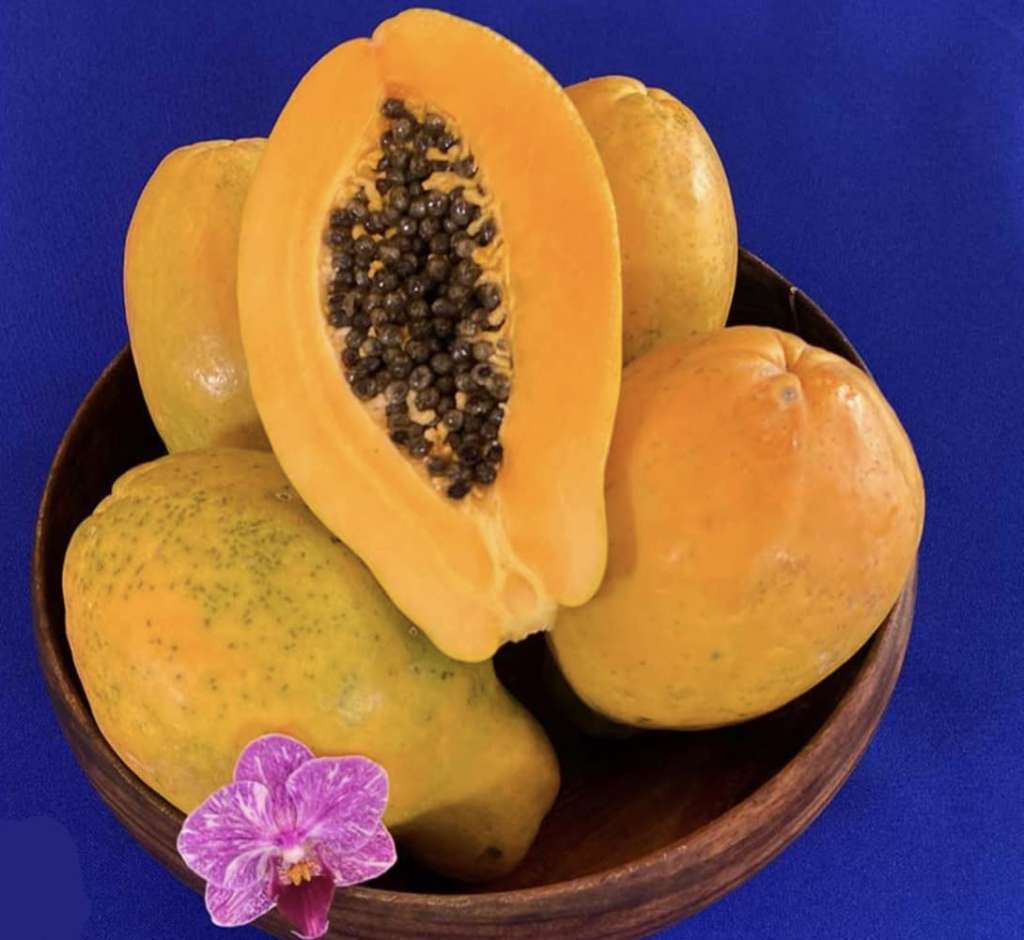
Companion planting is a time-tested agricultural practice that provides multiple benefits when growing papaya. Here’s why you should consider integrating companion plants into your papaya orchard or garden:
1. Pest Control
Papaya trees are susceptible to various pests, including aphids, whiteflies, and fruit flies. By strategically planting pest-repelling companion plants, you can naturally deter these harmful insects without relying on chemical pesticides. Some companion plants, such as marigolds, produce compounds that repel common papaya pests.
2. Improved Soil Fertility
Papaya trees thrive in nutrient-rich, well-draining soil. Certain companion plants, particularly nitrogen-fixing plants like legumes, enhance soil fertility by increasing nitrogen levels. This can reduce the need for synthetic fertilizers and promote healthy papaya growth.
3. Pollination and Biodiversity
Papaya trees produce flowers that require pollinators for fruit production. By planting flowering companion plants that attract bees, butterflies, and other pollinators, you can improve fruit set and increase overall yield.
4. Microclimate Regulation
Papayas are sensitive to extreme weather conditions, including strong winds and intense sun exposure. Taller companion plants or shrubs can act as windbreaks and provide partial shade, protecting young papaya trees and ensuring consistent growth.
5. Weed Suppression
Companion planting can help suppress weed growth by covering the ground and competing with unwanted plants. Ground cover crops, such as sweet potatoes, can prevent weeds from taking over the area around your papaya trees.
Best Companion Plants for Papaya
Selecting the right companion plants for papaya ensures a harmonious growing environment. Here are some of the best plants to grow alongside papaya:
1. Legumes (Beans, Peas, and Pigeon Pea)
Legumes are excellent companion plants for papaya because they fix nitrogen in the soil, enriching it with nutrients essential for healthy growth. Pigeon pea (Cajanus cajan) is particularly beneficial, as it also acts as a windbreak and provides partial shade to young papaya trees.
2. Marigolds (Tagetes spp.)
Marigolds are widely known for their pest-repellent properties. They produce a chemical called thiophene, which deters nematodes and other harmful insects. Planting marigolds around papaya trees can help reduce pest infestations naturally.
3. Basil (Ocimum basilicum)
Basil is an aromatic herb that repels aphids, whiteflies, and mosquitoes. Additionally, basil attracts beneficial pollinators, which can enhance papaya fruit production.
4. Sunflowers (Helianthus annuus)
Sunflowers act as excellent companions by attracting pollinators and providing partial shade for young papaya trees. Their deep roots also help break up compacted soil, improving drainage and aeration.
5. Garlic and Onions (Allium spp.)
Alliums like garlic and onions have strong scents that deter aphids, caterpillars, and other pests that target papaya. They also have antifungal properties that help prevent soil-borne diseases.
6. Sweet Potatoes (Ipomoea batatas)
Sweet potatoes act as a ground cover, reducing weed growth and maintaining soil moisture levels. Their sprawling vines help retain soil nutrients and prevent erosion around papaya trees.
7. Banana Trees (Musa spp.)
Banana trees and papayas thrive in similar conditions. Bananas provide shade, help retain soil moisture, and create a humid microclimate that benefits papaya growth.
Plants to Avoid Planting Near Papaya
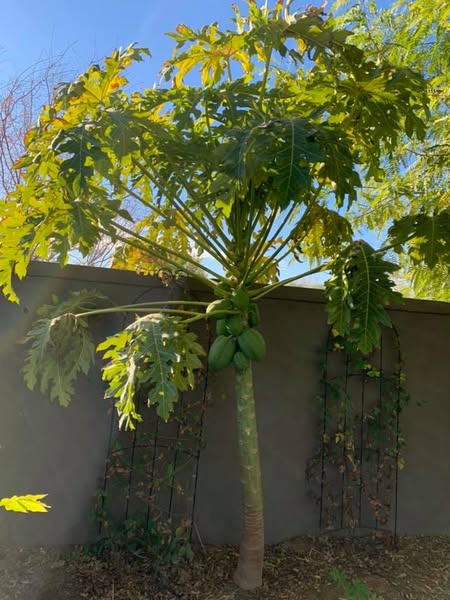
While many plants can benefit papaya trees, some should be avoided due to their negative effects on growth and fruit production.
1. Brassicas (Cabbage, Broccoli, Cauliflower)
Brassicas are heavy feeders that compete with papaya for essential nutrients. Additionally, they do not contribute to soil health in ways that benefit papaya trees.
2. Walnut Trees (Juglans spp.)
Walnut trees produce juglone, a chemical that inhibits the growth of many plants, including papaya. Avoid planting papaya near walnut trees.
3. Tomatoes (Solanum lycopersicum)
Tomatoes attract fruit flies and whiteflies, which can harm papaya trees. They also have similar nutrient requirements, leading to competition in the soil.
4. Eucalyptus Trees (Eucalyptus spp.)
Eucalyptus trees release allelopathic chemicals that can hinder the growth of nearby plants, including papaya. They also absorb significant amounts of water, potentially dehydrating papaya trees.
5. Fennel (Foeniculum vulgare)
Fennel secretes chemicals that inhibit the growth of many plants, making it a poor companion for papaya.
Tips for Growing Companion Plants with Papaya
To maximize the benefits of companion planting, follow these practical tips when growing companion plants with papaya:
1. Space Plants Appropriately
Papaya trees grow quickly and require sufficient space to develop their root system. When planting companions, leave adequate spacing to prevent overcrowding and competition for resources.
2. Choose Plants Based on Climate and Soil Conditions
Select companion plants that thrive in the same conditions as papaya. Tropical and subtropical plants generally make the best companions.
3. Use Mulch and Organic Matter
Applying organic mulch around papaya trees and their companion plants helps retain soil moisture, suppress weeds, and improve soil fertility.
4. Rotate Crops Periodically
To prevent soil depletion and pest buildup, rotate companion plants every few seasons. This helps maintain soil health and biodiversity in your garden.
5. Monitor for Pests and Diseases
Regularly inspect papaya trees and their companion plants for signs of pests or diseases. Implement natural pest control methods, such as introducing beneficial insects or using neem oil sprays, when necessary.
6. Prune and Maintain Companion Plants
Keep companion plants well-maintained by pruning excess growth to ensure adequate sunlight and airflow for papaya trees.
7. Encourage Beneficial Insects
Plant flowers like marigolds and basil to attract pollinators and predatory insects that help keep pest populations in check.
Conclusion
Companion planting is a powerful strategy for enhancing papaya tree growth, preventing pests, and improving fruit yield. By selecting the right plants—such as legumes, marigolds, basil, and sunflowers—you can create a thriving, self-sustaining garden ecosystem.
Avoiding competitive or allelopathic plants like brassicas, walnut trees, and fennel ensures that your papaya trees receive the nutrients they need to flourish. With careful planning and maintenance, companion planting can help you cultivate a healthier and more productive papaya orchard.
Sign up to get our FREE weekly emails
Gardening guides, tips, & videos delivered right to your inbox!


