
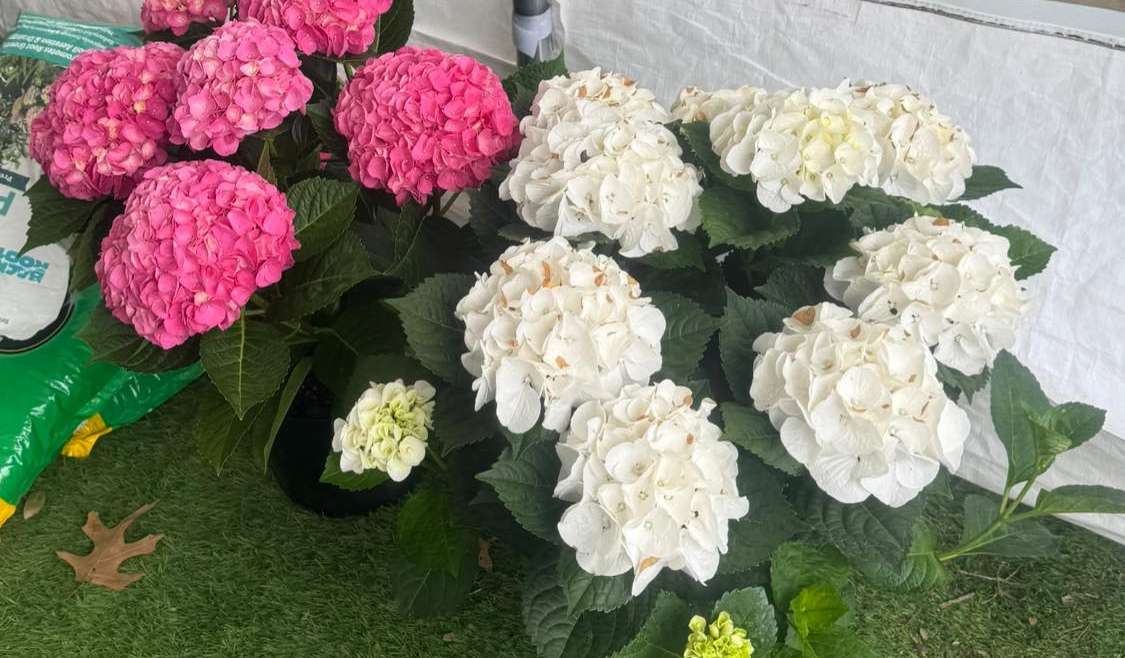
Hydrangeas are beloved for their vibrant, full blooms that can transform any garden into a picturesque landscape. Known for their striking flowers and lush foliage, these plants are a staple in gardens across the globe. While hydrangeas are relatively easy to grow and maintain, they can benefit greatly from the companionship of certain other plants.
Companion planting, the practice of growing two or more plant species together for mutual benefit, can enhance the health, growth, and appearance of hydrangeas. In this article, we will delve into the benefits of companion planting for hydrangeas, suggest the best companion plants, highlight those to avoid, and offer tips on how to successfully grow these plants side by side.
Why You Should Consider Companion Planting for Hydrangeas

Companion planting is not only about aesthetics but also about promoting the overall health and well-being of your garden. For hydrangeas, the right companions can enhance growth, provide necessary nutrients, and improve pest resistance. Additionally, companion plants can help create a more visually appealing landscape by complementing the hydrangeas’ color palette, adding texture, and improving the overall garden design.
One of the key benefits of companion planting with hydrangeas is its ability to promote healthy soil conditions. Hydrangeas thrive in well-drained, moist, and slightly acidic soil. Certain companion plants can help maintain these conditions or even improve them by adding organic matter to the soil or providing a protective layer of mulch.
Moreover, companion planting can help improve the hydrangea’s ability to withstand pests and diseases. Some plants release natural compounds that deter pests or attract beneficial insects that keep harmful bugs at bay. By choosing the right companions, you can reduce the need for chemical treatments and create a healthier, more sustainable garden environment.
Another advantage of companion planting is its ability to maximize space and create a more efficient garden layout. By planting complementary species together, you can make the most out of your garden area, ensuring that each plant thrives while minimizing wasted space.
Best Companion Plants for Hydrangeas
When selecting companion plants for hydrangeas, it’s important to consider both aesthetic and practical factors. The best companions for hydrangeas will not only enhance their beauty but also provide mutual benefits in terms of soil health, pest control, and growth support. Here are some of the top choices for companion plants that work well with hydrangeas:
1. Hostas
Hostas are classic companions for hydrangeas, and it’s easy to see why. These shade-loving plants thrive in similar growing conditions to hydrangeas. Both plants enjoy partial to full shade and moist, well-drained soil. Hostas come in various shades of green, gold, and blue, making them a perfect contrast to the vibrant blooms of hydrangeas. The broad, lush foliage of hostas also helps keep the soil around hydrangeas cool and moist, preventing it from drying out during hot summer months.
2. Astilbes
Astilbes are another excellent companion plant for hydrangeas. These plants thrive in similar growing conditions, preferring moist, well-drained soil and partial to full shade. Astilbes produce stunning feathery flowers in shades of pink, white, red, and purple, which complement the hydrangea’s blooms beautifully. The contrast between the airy flowers of astilbes and the dense, bushy blooms of hydrangeas creates a visually appealing garden design. Additionally, the dense foliage of astilbes helps suppress weeds, making them a great companion for hydrangeas.
3. Fern Species (e.g., Japanese Painted Fern)
Ferns, such as the Japanese painted fern, make an excellent companion for hydrangeas due to their similar requirements for shade and moisture. The delicate, feathery fronds of ferns create a soft, textured contrast to the more structured hydrangea blooms. Ferns also thrive in the cool, damp conditions that hydrangeas love, providing additional moisture retention for the soil. The combination of ferns and hydrangeas can create a lush, woodland garden feel.
4. Coral Bells (Heuchera)
Coral bells, or Heuchera, are perennial plants that offer beautiful foliage in a range of colors, from deep purple to bright lime green. These plants are well-suited to growing alongside hydrangeas because they share similar growing conditions, particularly when it comes to preferring partial to full shade and moist, well-drained soil. The colorful foliage of coral bells provides an exciting contrast to the hydrangea’s flowers, and they are relatively low-maintenance, making them an easy addition to your garden.
5. Japanese Maple (Acer palmatum)
For a more dramatic look, consider planting a Japanese maple near your hydrangeas. These small trees provide beautiful foliage that ranges from deep red to green, offering a striking contrast to the bright flowers of hydrangeas. Japanese maples also thrive in similar soil and moisture conditions as hydrangeas, making them an ideal companion. Their graceful, lacy branches create a visually appealing vertical element that contrasts nicely with the rounded shape of hydrangea shrubs.
6. Bleeding Heart (Dicentra spectabilis)
Bleeding heart is another wonderful companion plant for hydrangeas, particularly for gardens with partial to full shade. Its unique heart-shaped flowers in shades of pink and white pair beautifully with hydrangeas. Bleeding heart plants also enjoy the same moist, well-drained soil conditions and add a touch of elegance to any garden. The soft, arching stems of bleeding heart provide a delicate contrast to the more structured hydrangea blooms, creating a harmonious look.
Plants to Avoid Planting Near Hydrangeas
While companion planting can be incredibly beneficial, not all plants are suitable for growing alongside hydrangeas. Some plants may compete with hydrangeas for nutrients, space, or water, or they may attract pests and diseases that harm hydrangeas. Here are a few plants to avoid planting near hydrangeas:
1. Roses
While roses are beautiful flowering plants, they can compete with hydrangeas for water and nutrients, especially in the same garden bed. Roses have a tendency to attract aphids and other pests, which can spread to nearby hydrangeas. If you do want to grow roses near hydrangeas, make sure to space them well apart and ensure they have adequate care and maintenance.
2. Daylilies
Daylilies are another plant to avoid planting too close to hydrangeas. These perennials have aggressive root systems that can compete with hydrangeas for water and nutrients. Additionally, daylilies tend to spread quickly, potentially crowding out your hydrangeas and limiting their growth.
3. Creeping Jenny (Lysimachia nummularia)
While creeping Jenny is an attractive ground cover plant, it can become invasive and smother nearby plants, including hydrangeas. Its fast-spreading nature can overwhelm hydrangeas, depriving them of the space and resources they need to thrive.
4. Lavender
Lavender plants prefer drier, well-drained soil, which can be quite different from the moist, rich soil that hydrangeas require. Planting lavender too close to hydrangeas could cause one or both plants to struggle, as they have very different water needs. Hydrangeas need consistent moisture, while lavender thrives in drier conditions.
Tips for Growing Companion Plants with Hydrangeas
Successfully growing companion plants with hydrangeas requires careful planning and attention to their specific needs. Here are some tips to ensure a successful and harmonious garden:
- Choose Plants with Similar Needs: When selecting companion plants, prioritize those that have similar water, light, and soil requirements to hydrangeas. This will reduce competition for resources and create a more cohesive and thriving garden environment.
- Provide Adequate Spacing: Even though companion plants can enhance the growth and health of hydrangeas, it’s still essential to provide adequate spacing between plants. Overcrowding can lead to competition for nutrients and water and may encourage the spread of diseases.
- Mulch Generously: Hydrangeas and their companions both benefit from a layer of mulch around their base. Mulch helps retain moisture in the soil, suppress weeds, and maintain a stable temperature, all of which are important for hydrangea health. Make sure to use organic mulch like bark or compost to provide added nutrients.
- Monitor for Pests and Diseases: While companion planting can help deter pests, it’s still important to regularly check for any signs of trouble. Keep an eye on your plants for aphids, fungal diseases, or other pests that might harm both your hydrangeas and their companions.
- Prune and Deadhead Regularly: To keep your companion plants healthy and prevent overcrowding, make sure to prune or deadhead them regularly. Removing spent blooms and trimming back overgrown foliage will allow more light and air to reach your hydrangeas.
Sign up to get our FREE weekly emails
Gardening guides, tips, & videos delivered right to your inbox!


