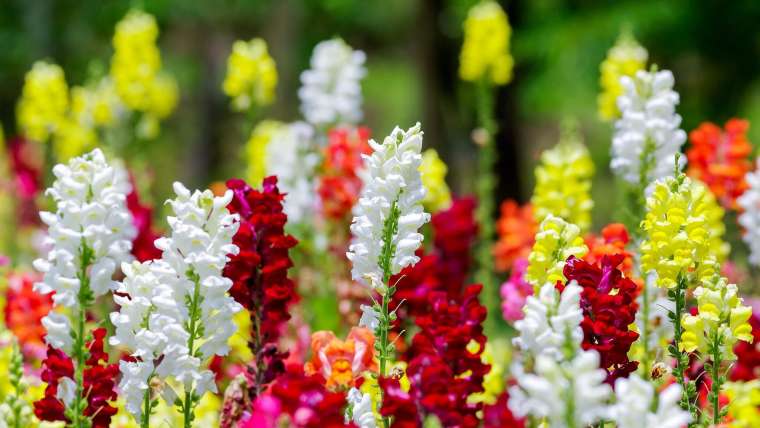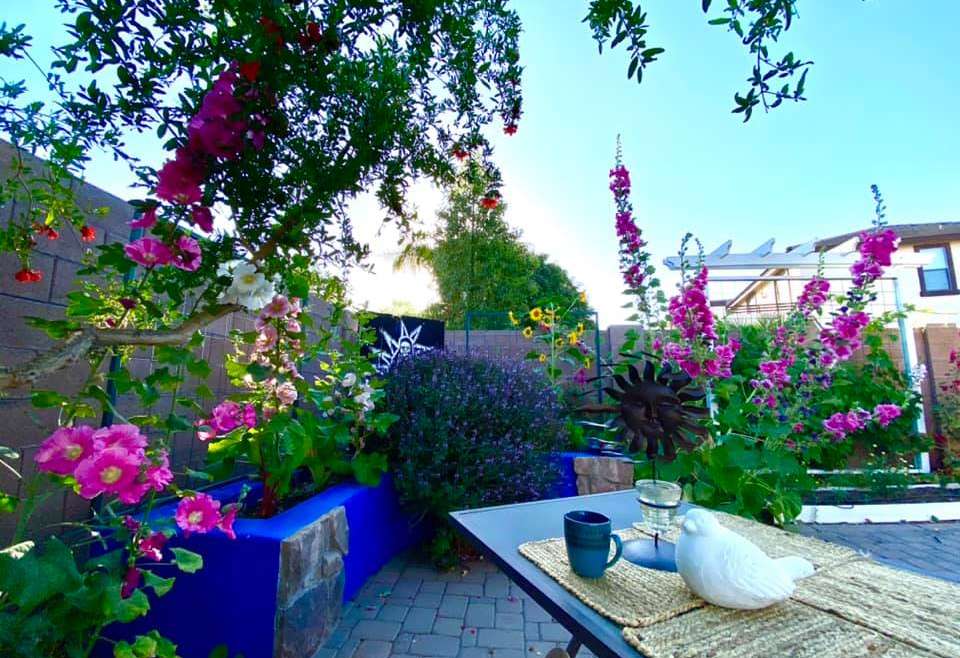
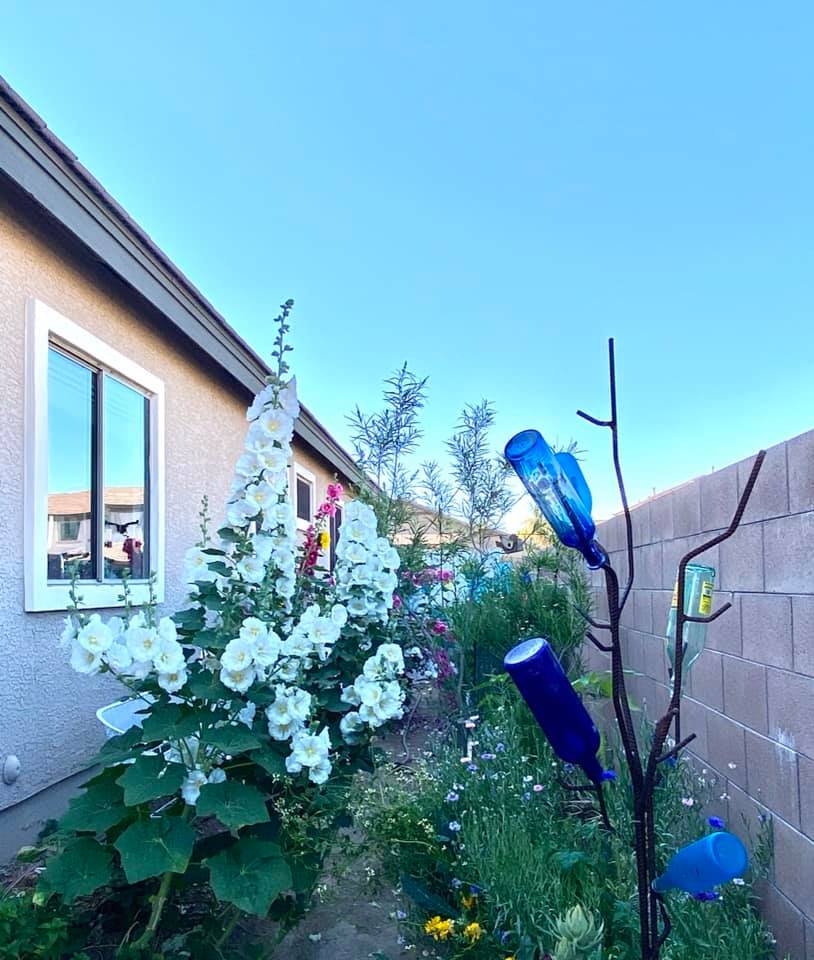
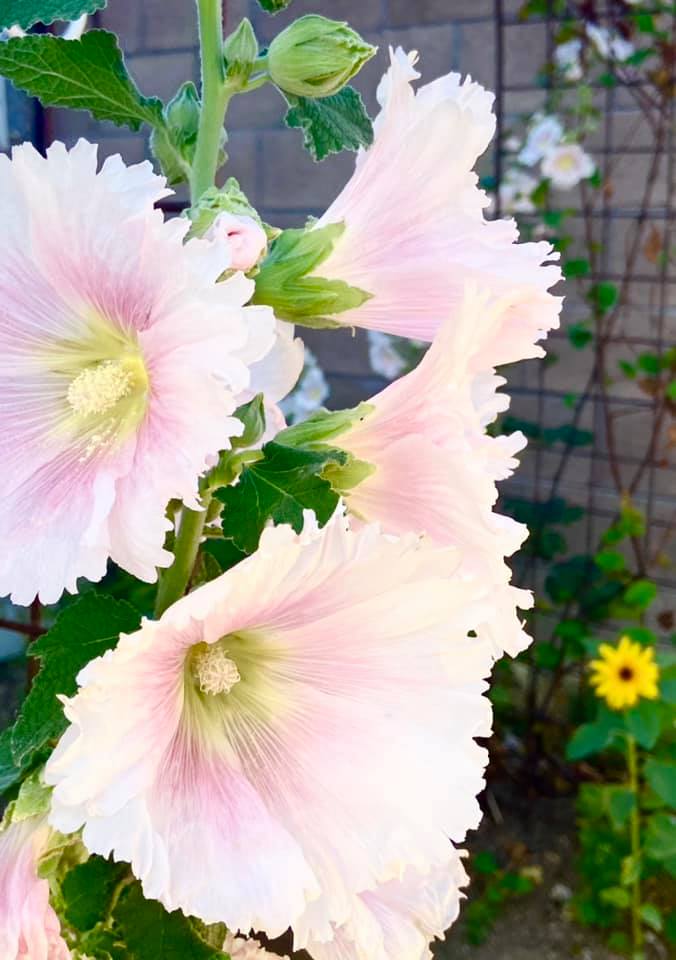
Hollyhocks are striking, tall plants with large, colorful blooms that can bring a touch of vintage charm to any garden. These plants are well-loved for their unique appearance, with flowers that come in a variety of colors, ranging from deep reds and purples to soft pinks and whites. Known for their towering height, hollyhocks are often used to create focal points in the garden. However, like many other plants, they can benefit from the practice of companion planting.
Companion planting involves growing certain plants together that benefit one another, whether through pest control, enhanced growth, or improved soil health. For hollyhocks, selecting the right companion plants can help reduce the risk of pests, improve their health, and create a harmonious, aesthetically pleasing garden space.
Today in this post, we’ll explore the importance of companion planting for hollyhocks, highlight some of the best companion plants, discuss which plants to avoid, and offer tips for successfully growing hollyhocks alongside their plant partners.
Why You Should Consider Companion Planting for Hollyhocks
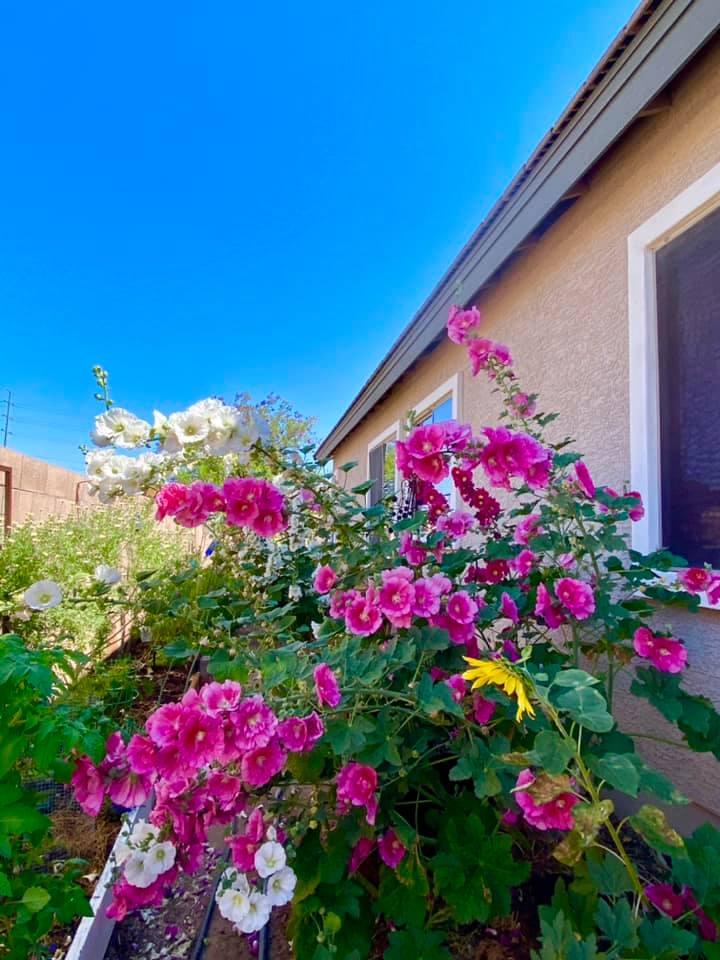
Companion planting for hollyhocks is essential for several reasons, all of which contribute to the overall health and beauty of your garden. First, hollyhocks are susceptible to a number of pests and diseases, including aphids, rust, and powdery mildew. Companion plants can serve as natural deterrents to these pests, creating a healthier environment for your hollyhocks to thrive.
In addition to pest control, companion planting can help improve the growth of hollyhocks by enhancing soil fertility and providing shade or support where needed. Since hollyhocks are tall, they can often shade out smaller plants, so planting them in combination with shorter companions allows you to make the most of your garden space.
Another benefit of companion planting is that it can encourage biodiversity in your garden. By mixing different types of plants, you create a more varied ecosystem that attracts beneficial insects like pollinators and predatory bugs, which can help manage pests naturally.
Lastly, companion plants can help hollyhocks deal with potential environmental stressors, such as drought or extreme temperatures. By carefully selecting plants that complement each other, you can create a more resilient garden that can better withstand the elements.
Best Companion Plants for Hollyhocks
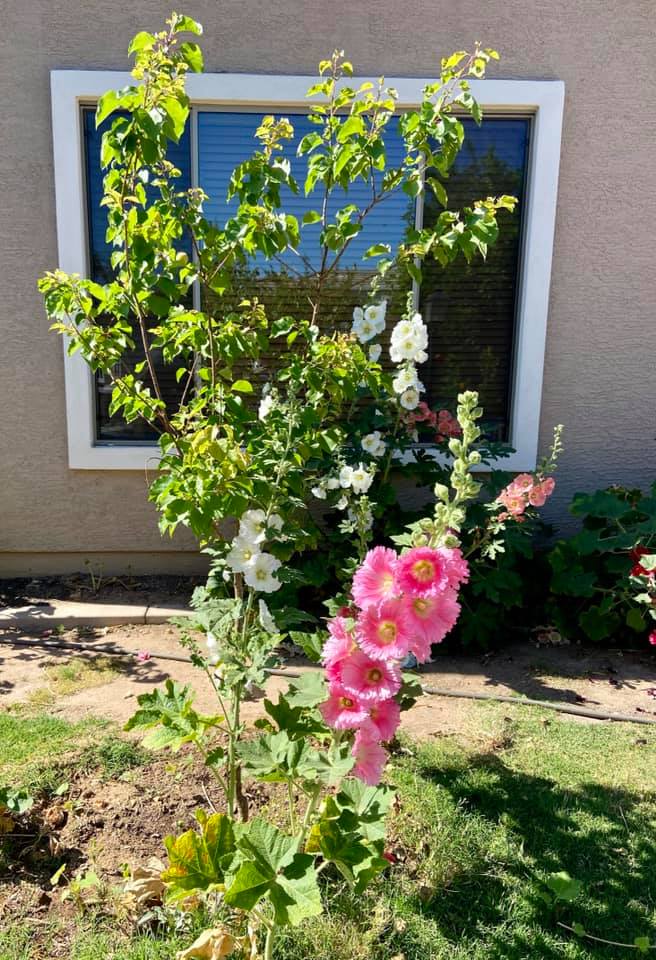
Now that we understand the benefits of companion planting, let’s explore some of the best companion plants to pair with your hollyhocks.
1. Lavender
Lavender is a fantastic companion plant for hollyhocks for several reasons. Its strong scent repels many common pests, including aphids, fleas, and mosquitoes. Lavender is also drought-tolerant, making it a perfect match for hollyhocks, which appreciate similar growing conditions in full sun and well-draining soil.
Lavender’s purple flowers also beautifully complement hollyhocks, creating a harmonious color palette in your garden. Additionally, lavender attracts pollinators such as bees and butterflies, which will help improve the overall health of your garden and support your hollyhocks in producing even more vibrant blooms.
2. Marigolds
Marigolds are known for their ability to deter pests, including aphids, nematodes, and even rabbits. Their bright, cheerful flowers add a pop of color to your garden while protecting your hollyhocks from a variety of insects. The scent of marigolds is off-putting to many pests, making them an ideal companion plant for keeping harmful bugs away from your hollyhocks.
Marigolds are also low-maintenance and easy to grow, which makes them perfect for beginners. They thrive in the same sunny, well-drained conditions as hollyhocks, so planting them together will result in a happy and harmonious garden space.
3. Alliums
Alliums, such as ornamental onions and garlic, are excellent companions for hollyhocks due to their pest-repellent properties. Their strong scent deters a variety of insect pests, including aphids, caterpillars, and even deer. Alliums are also effective at repelling rodents and other small animals that may be tempted to nibble on your hollyhocks.
In addition to their pest-repelling qualities, alliums add an architectural element to your garden with their tall stems and unique, spherical flowers. Their bold, striking blooms complement the vertical nature of hollyhocks, adding a sense of balance to your garden design.
4. Foxgloves
Foxgloves are another tall, stately plant that pairs beautifully with hollyhocks. Both plants share similar growing requirements, including a preference for partial to full sun and well-drained soil. Foxgloves are also beneficial to hollyhocks because their flowers attract pollinators such as bees and hummingbirds, which helps to improve the overall health of your garden.
The striking, tubular flowers of foxgloves create a lovely contrast to the large, open blooms of hollyhocks, adding visual interest and depth to your garden space.
5. Basil
Basil is a fragrant herb that works well as a companion plant for hollyhocks. Its strong scent can help deter pests like aphids and mosquitoes, which are common problems for hollyhocks. Additionally, basil’s ability to attract pollinators can help support the overall health of your garden.
Basil is also a relatively low-growing plant, which makes it a good option for planting beneath your hollyhocks. Its compact size won’t compete with the tall hollyhocks, and it will benefit from the shade provided by the taller plants during hot summer months.
Plants to Avoid Planting Near Hollyhocks
While companion planting can be incredibly beneficial, not all plants are suitable for growing near hollyhocks. Some plants may compete with hollyhocks for resources or invite pests and diseases that can harm your plants. Here are some plants to avoid planting near hollyhocks.
1. Beans
Beans, including both pole and bush varieties, are not ideal companions for hollyhocks. Beans require a lot of nitrogen in the soil, which can deplete the nutrients that hollyhocks need to thrive. Additionally, beans can attract aphids, which can be detrimental to hollyhocks, especially if they are already susceptible to aphid infestations.
2. Cabbage Family
Plants in the cabbage family, such as broccoli, cabbage, and kale, can also be problematic when planted near hollyhocks. These plants can attract similar pests, like aphids and cabbage worms, that will target your hollyhocks. Additionally, cabbage family plants can struggle in the same soil conditions as hollyhocks, leading to nutrient depletion.
3. Tomatoes
Tomatoes and hollyhocks don’t generally make good neighbors. Tomatoes are prone to several pests and diseases, including whiteflies, which can spread to your hollyhocks and damage them. Additionally, tomatoes have a higher water requirement than hollyhocks, which may create competition for water in the soil, leading to stunted growth in both plants.
4. Mint
While mint is an excellent companion plant in some situations, it should be avoided near hollyhocks. Mint is an aggressive grower that can quickly overtake other plants, including hollyhocks. If planted too close, mint can choke out hollyhocks, preventing them from reaching their full potential. It’s best to plant mint in a container or in a separate part of your garden.
Tips for Growing Companion Plants with Hollyhocks
When growing companion plants alongside hollyhocks, it’s important to consider a few key factors to ensure success.
1. Spacing is Key
Hollyhocks are large plants that need plenty of space to grow, so make sure to space your companion plants accordingly. This will prevent overcrowding and ensure that all plants receive the sunlight and nutrients they need to thrive. Leave enough room for air circulation between your hollyhocks and companion plants to reduce the risk of disease.
2. Choose Plants with Similar Requirements
When selecting companion plants for your hollyhocks, choose plants that share similar soil, light, and water requirements. This will make it easier for all plants to thrive together without competing for resources. For example, both hollyhocks and lavender prefer full sun and well-drained soil, making them a great pairing.
3. Regular Maintenance
Keep a close eye on the growth of both your hollyhocks and their companions. Regularly check for pests, disease, and signs of nutrient deficiency. Prune any plants that are overcrowding your hollyhocks and remove dead or diseased foliage promptly to maintain a healthy growing environment.
4. Consider Height and Structure
Hollyhocks are tall plants, so it’s important to consider the height of your companion plants. Avoid planting anything too tall that could overshadow your hollyhocks and reduce their exposure to sunlight. Instead, look for plants with a variety of heights that complement the towering hollyhocks while still allowing each plant to thrive.
Conclusion
Companion planting for hollyhocks is a simple yet effective way to improve the health, growth, and beauty of your garden. By choosing the right plants to grow alongside your hollyhocks, you can naturally reduce pests, boost pollination, and create a more resilient garden.
Be sure to consider both the aesthetic and practical benefits when selecting companion plants, and always be mindful of spacing, maintenance, and environmental factors. With the right combinations, your hollyhocks will thrive alongside their plant partners, creating a garden that is as vibrant and healthy as it is beautiful.
Sign up to get our FREE weekly emails
Gardening guides, tips, & videos delivered right to your inbox!