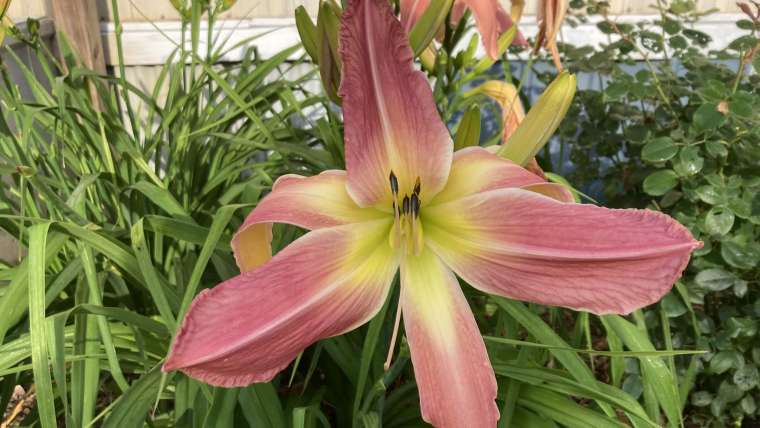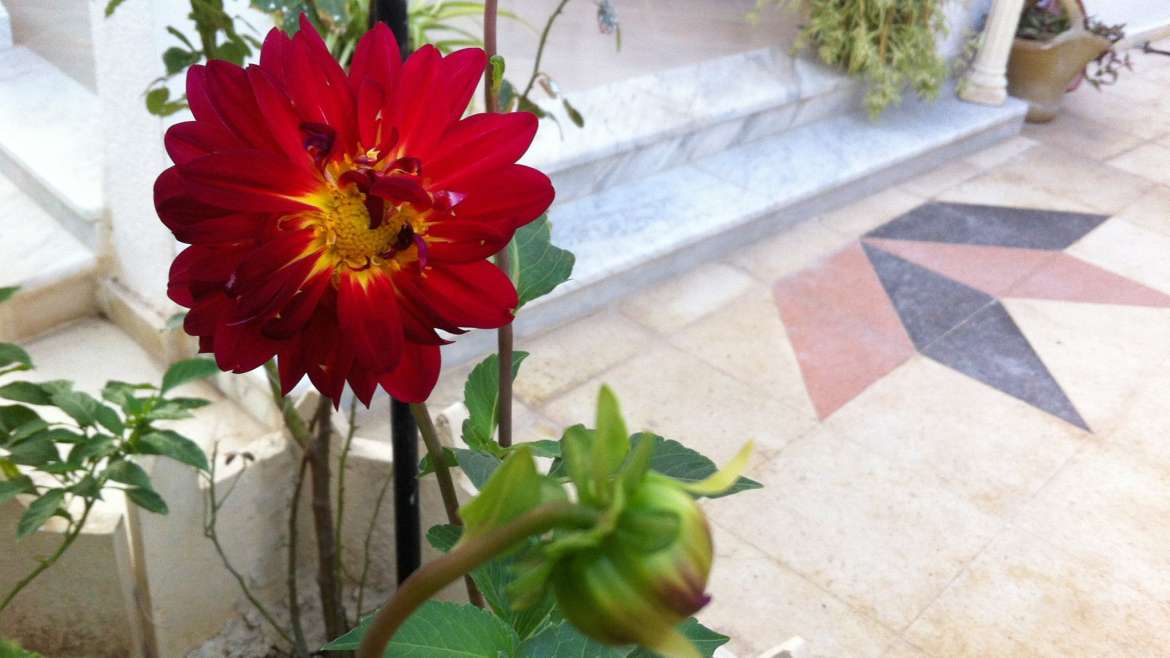
Dahlias, with their vibrant blooms and impressive height, are one of the most popular flowers to grow in gardens. Known for their ability to bloom from mid-summer to fall, dahlias are not only beautiful but also provide an essential food source for pollinators like bees and butterflies.
However, they can benefit significantly from companion planting, an age-old gardening practice that pairs different plants together to encourage growth, improve health, and manage pests naturally. When companion planting for dahlias, gardeners can enhance soil quality, attract beneficial insects, deter pests, and improve overall plant vigor.
In this post, we’ll explore why companion planting for dahlias is beneficial, highlight the best companion plants, identify plants to avoid, and offer essential tips for successful companion planting.
Why You Should Consider Companion Planting for Dahlias
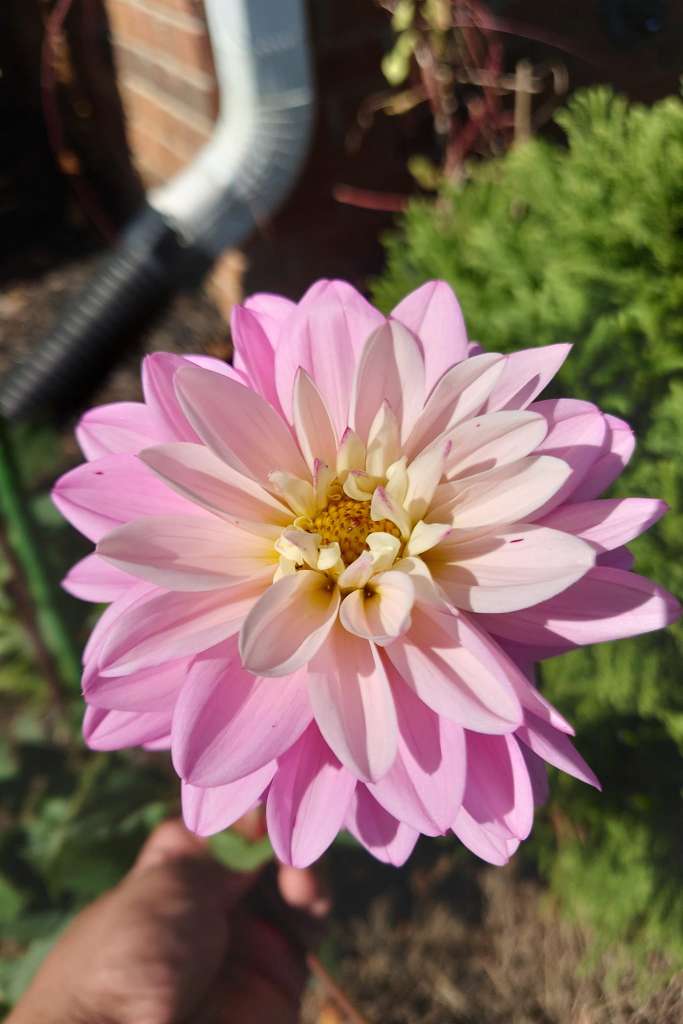
Companion planting refers to the practice of growing two or more plant species close together for mutual benefit. This practice is based on the idea that certain plants can help each other grow, protect one another from pests, or provide nutrients that might otherwise be lacking in the soil. For dahlias, companion planting offers several advantages that can improve their growth and overall health.
Improved Pest Control: One of the most significant benefits of companion planting for dahlias is its role in pest management. Dahlias can attract harmful insects like aphids, slugs, and spider mites. By planting certain companion plants alongside them, you can naturally deter these pests without the need for harmful chemicals. Companion plants like marigolds and basil release scents or oils that repel insects, making them a natural form of pest control.
Enhanced Pollination: Dahlias are known for their striking blooms, and they serve as a magnet for pollinators. By adding companion plants that attract even more pollinators, you can increase the chances of pollination, resulting in better flowering and potentially higher yields if you’re growing dahlias for seed production. Plants like lavender, cosmos, and sunflowers can complement dahlias by drawing bees and butterflies to your garden.
Soil Health: Certain companion plants can improve the health of the soil, which benefits dahlias. For example, plants like legumes can fix nitrogen in the soil, enriching it and providing nutrients that dahlias need to thrive. Healthy, nutrient-rich soil leads to stronger dahlia plants with more robust stems and larger, more vibrant flowers.
Stronger Growth and Reduced Stress: When planted together, companion plants can help shade the roots of dahlias, providing protection from extreme temperatures. Additionally, they can create a micro-ecosystem that encourages balanced water retention and air circulation, leading to healthier, stress-free plants. Companion plants can also act as a natural windbreak, helping to prevent the dahlia plants from being damaged during strong winds.
Best Companion Plants for Dahlias
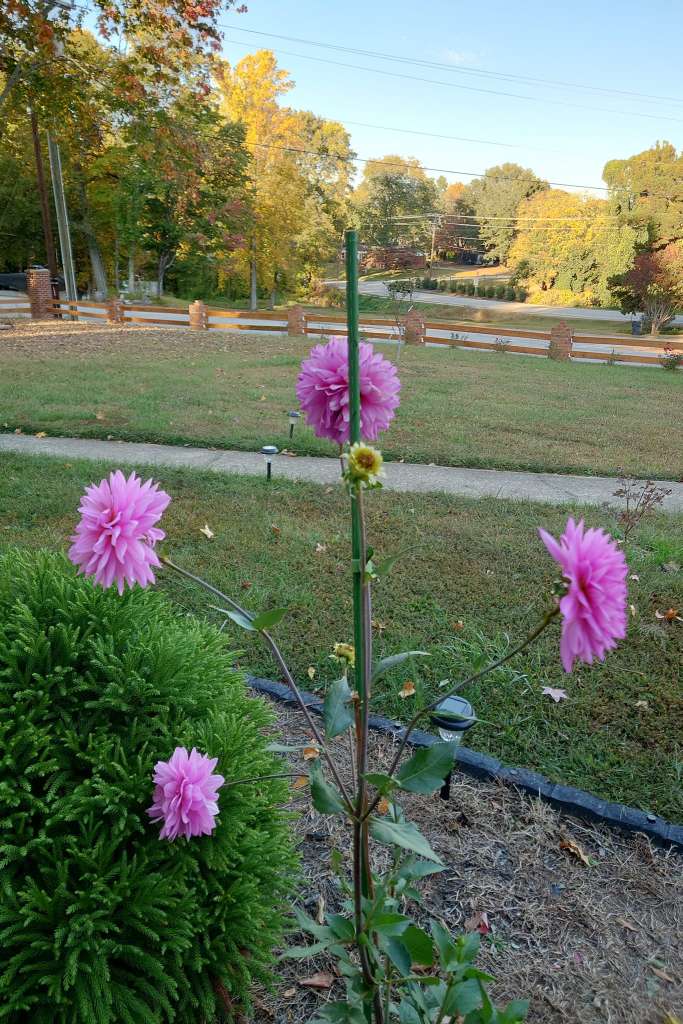
Now that we understand the importance of companion planting for dahlias, let’s take a look at some of the best companion plants that can help your dahlias flourish.
1. Marigolds: Marigolds are one of the most well-known companion plants for dahlias. They have a strong scent that repels aphids, nematodes, and other pests that commonly affect dahlias. The bright, cheerful flowers of marigolds also add a splash of color and can act as a visual anchor in your garden. Planting marigolds alongside dahlias can provide pest control and enhance the aesthetic appeal of your flower garden.
2. Basil: Basil is not only a great herb to have in your garden but also an excellent companion for dahlias. It has aromatic leaves that repel pests like aphids and mosquitoes. Additionally, basil’s strong smell can mask the scent of dahlias, confusing pests and making it harder for them to locate the dahlias. As an added benefit, basil attracts pollinators, helping your dahlias by increasing the chances of pollination.
3. Lavender: Lavender is another excellent companion for dahlias, especially when you want to attract bees and other pollinators to your garden. The sweet fragrance of lavender is irresistible to pollinators, and its vibrant purple flowers create a beautiful contrast when paired with the bold colors of dahlias. Additionally, lavender’s aroma acts as a natural repellent for mosquitoes, fleas, and other insects that can damage your dahlia plants.
4. Nasturtiums: Nasturtiums are a fantastic option for companion planting with dahlias, as they attract aphids away from the dahlias. These flowers are also known for their ability to act as a trap crop, meaning they lure pests away from your dahlias and keep them distracted. Nasturtiums are edible, and their vibrant colors make them an attractive addition to any garden. Plus, they act as a natural ground cover that helps retain moisture in the soil around your dahlias.
5. Cosmos: Cosmos plants are an excellent companion for dahlias because they attract pollinators like bees and butterflies. These flowers have daisy-like blooms that provide additional color to your garden and complement the shape and size of dahlias. Like other companion plants, cosmos can also help prevent pest infestations by drawing attention away from your dahlias.
6. Sunflowers: Sunflowers make great companions for dahlias, especially if you’re growing them in a larger space. These tall plants create a natural barrier that can protect your dahlias from wind and heavy rain. Sunflowers also attract bees and butterflies, which will help pollinate your dahlias. Additionally, their deep roots can help improve soil structure and aeration, which benefits the dahlia plants.
Plants to Avoid Planting Near Dahlias
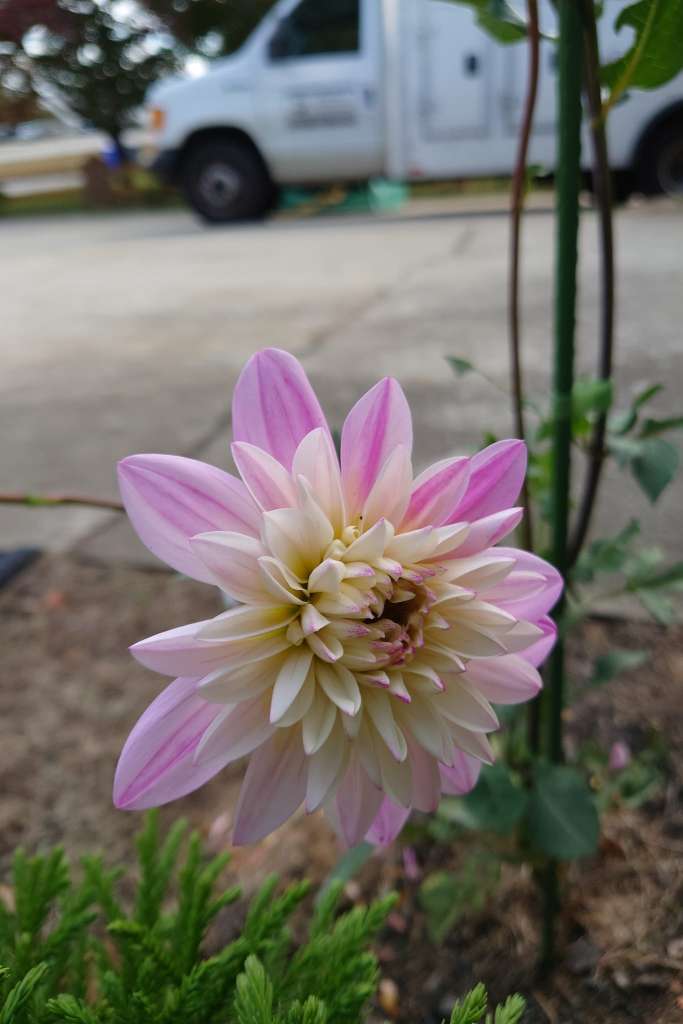
While many plants make great companions for dahlias, others should be avoided. Some plants compete with dahlias for nutrients, while others can attract pests or diseases that harm your dahlias. Let’s explore the plants you should avoid planting near dahlias.
1. Potatoes: Potatoes are not ideal companions for dahlias because they are both susceptible to the same pests and diseases, such as aphids and fungal infections. Planting potatoes and dahlias too close together can increase the chances of these problems spreading between the two plants. Additionally, both potatoes and dahlias require a lot of nutrients, and planting them together can lead to nutrient depletion in the soil.
2. Cabbage Family Plants: Plants from the cabbage family, including broccoli, kale, and cabbage, should be kept away from dahlias. These plants attract cabbage worms, aphids, and other pests that can also target dahlias. They may also compete with dahlias for nutrients, affecting their overall growth. Additionally, the cabbage family is prone to fungal diseases like downy mildew, which can spread to your dahlias if they are planted nearby.
3. Beans: Beans are legumes, which means they can fix nitrogen in the soil. While this can be beneficial for many plants, beans can cause an imbalance in the nutrient levels when planted near dahlias. Dahlias require well-draining soil with moderate levels of nitrogen, and beans may overwhelm the soil, potentially leading to excessive leafy growth at the expense of blooms.
4. Corn: Corn can compete with dahlias for sunlight and nutrients. As corn grows tall, it may overshadow your dahlias, especially if the plants are in close proximity. This can result in stunted growth and a lack of blooms. Corn also attracts pests like corn earworms, which may also harm your dahlias.
Tips for Growing Companion Plants with Dahlias
To get the most out of companion planting with dahlias, here are some helpful tips to ensure success:
1. Plan Your Garden Layout: Before planting, make sure to plan your garden layout carefully. Place taller companion plants, like sunflowers, at the back of your garden to avoid shading shorter dahlias. Ensure there is enough space for all the plants to grow without overcrowding.
2. Rotate Plants Regularly: Rotating your plants each year can help reduce the risk of pests and diseases building up in your soil. Make sure to change the locations of your dahlias and companion plants to keep the soil healthy and prevent nutrient depletion.
3. Keep Companion Plants Well-Watered: While dahlias are relatively drought-tolerant, companion plants like basil, marigolds, and nasturtiums need regular watering to thrive. Make sure all your plants receive enough water, especially during dry spells, to keep them healthy and vibrant.
4. Mulch Around Your Dahlias: Mulching around your dahlias helps retain moisture, suppress weeds, and maintain consistent soil temperature. It also provides a better environment for the companion plants to grow, helping all the plants in your garden thrive together.
Conclusion
Companion planting is a wonderful way to enhance the growth and health of your dahlias. By selecting the right companion plants, you can promote natural pest control, attract pollinators, improve soil health, and ensure stronger, more vibrant blooms.
With a little planning and care, companion planting can be a valuable tool in your gardening repertoire, making your dahlia garden not only more beautiful but also more sustainable. By choosing the best companions for your dahlias and avoiding those that may harm them, you’ll be well on your way to creating a flourishing garden that thrives season after season.
Sign up to get our FREE weekly emails
Gardening guides, tips, & videos delivered right to your inbox!