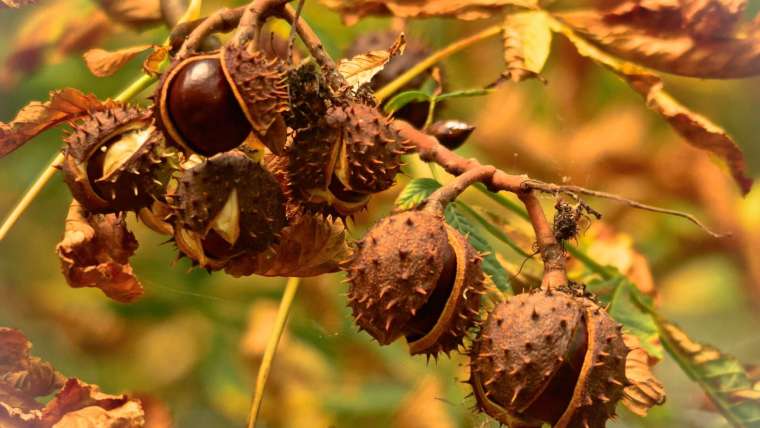
Imagine stepping into a chestnut orchard on a crisp autumn morning. The soil beneath your feet is rich and crumbly, alive with the hum of beneficial insects, while the air carries the warm, earthy scent of nut-laden branches mingled with fragrant herbs growing nearby. This thriving ecosystem didn’t happen by chance—it’s the magic of companion planting.
If you’re growing chestnut trees or planning to plant them, you’ll want to know how companion planting can transform your garden into a vibrant, balanced, and productive haven. From nurturing soil health to naturally warding off pests, companion planting is the sustainable gardener’s secret weapon. Let’s dive into why certain plants make perfect pals for your chestnut trees and how to create your own chestnut-friendly planting scheme.
Why Companion Planting Matters for Chestnut Trees
Chestnut trees are majestic, long-lived trees prized for their delicious nuts and hardwood. But they aren’t just standalone beauties—they thrive best in a supportive community of plants. Companion planting offers multiple benefits:
- Improved Soil Health: Certain companions fix nitrogen or enhance organic matter.
- Pest and Disease Control: Some plants repel chestnut pests or attract beneficial insects.
- Microclimate Moderation: Understory companions protect soil moisture and reduce weed competition.
- Biodiversity Boost: A diverse garden ecosystem resists pests and diseases more naturally.
With a little planning, your chestnut orchard can become a resilient, self-sustaining ecosystem that rewards you year after year.
Best Companion Plants for Chestnut Trees

Nitrogen-Fixing Allies: Lupines and Clover
Chestnuts prefer well-draining, slightly acidic to neutral soil. Nitrogen is essential for healthy growth, but chestnut trees don’t fix their own nitrogen. Enter lupines and clover—both are fabulous nitrogen-fixing plants that enrich the soil naturally.
Why Lupines? Their delicate, spiky flowers not only add color but also form root nodules packed with nitrogen-fixing bacteria. Clover, especially white clover, is a low-growing groundcover that creates a lush carpet, preventing weeds and improving soil texture.
Gardening Tip: Sow a mix of clover seeds around the base of young chestnut trees in early spring for steady nitrogen release and soil protection.
Aromatic Herbs: Lavender, Rosemary, and Thyme
Not only do these herbs add sensory delight with their fragrant oils, but they also serve as natural pest repellents. Lavender’s sweet scent confuses many common pests, while rosemary’s woody aroma deters beetles and moths. Thyme attracts predatory insects like ladybugs and parasitic wasps, which feast on chestnut pests.
Pro Tip: Plant a border of these herbs around your chestnut orchard’s perimeter. Their flowers also provide valuable nectar for pollinators, boosting overall garden health.
Dynamic Accumulators: Comfrey and Yarrow
These plants pull up deep soil minerals and concentrate them in their leaves, which makes them excellent green mulch material.
- Comfrey grows quickly and has large, soft leaves that you can chop and drop around your chestnuts to slowly release potassium and calcium, essential nutrients for strong wood and nut production.
- Yarrow helps improve soil structure and attracts beneficial insects like hoverflies and lacewings.
- Avoid: Don’t plant comfrey too close to young saplings because it can be aggressive; instead, keep it a few feet away.
Pest-Deterring Plants: Marigold and Nasturtium
If you’ve ever planted marigolds, you know their bright orange blossoms are a gardener’s best friend. Marigolds release compounds that repel nematodes—microscopic worms that can damage chestnut roots. Nasturtiums, with their peppery scent and trailing habit, attract aphids away from your chestnuts, acting as a “trap crop.”
How to Plan Your Companion Planting Layout
- Start with soil testing: Understand your soil pH and nutrient profile.
- Group plants by root depth: Chestnuts have deep roots; plant shallow-root companions like clover and herbs near the surface to avoid competition.
- Create layered planting: Taller nitrogen-fixers and chestnuts above, groundcovers and herbs below.
- Use mulch generously: Organic mulch helps retain moisture and feeds the soil microbes.
- Rotate and diversify: Avoid monoculture by rotating companion plants every few years and mixing species.
Companion Planting for Chestnut Trees: Common Mistakes to Avoid
- Overcrowding: Chestnuts need room to grow. Avoid planting too close or you’ll stunt their growth.
- Ignoring water needs: Companions like lavender prefer well-drained soil, so be mindful of watering routines.
- Using aggressive plants near young trees: Comfrey or mint can take over if not managed properly.
- Forgetting seasonal changes: Some companions die back in winter; plan for year-round soil protection.
Frequently Asked Questions About Companion Planting for Chestnuts
Yes, but choose shade-tolerant veggies like spinach or kale. Avoid root competition by spacing carefully.
Clover is perennial and self-seeding, but replant every 2-3 years to keep coverage dense and soil fertile.
Absolutely! By improving soil health and nutrient cycling, companion planting minimizes reliance on synthetic fertilizers.
Avoid allelopathic plants like black walnut that release growth-inhibiting chemicals.
Wrapping It Up: Grow Stronger Chestnut Trees with Smart Companions
Companion planting is more than just a gardening technique—it’s a way to harmonize with nature, turning your chestnut orchard into a lively, productive ecosystem. By choosing the right plant partners, you enhance soil richness, ward off pests naturally, and enjoy a more bountiful harvest season after season.
Got your own companion planting stories or questions? Drop a comment below or sign up for our newsletter to get more tips, seasonal guides, and gardening inspiration delivered straight to your inbox. Let’s grow together!
Sign up to get our FREE weekly emails
Gardening guides, tips, & videos delivered right to your inbox!