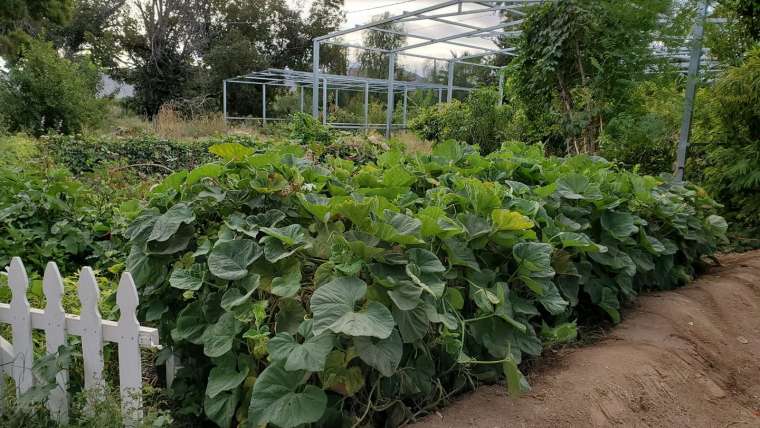
Cauliflower is a nutrient-rich vegetable that thrives in cool weather and requires careful attention to soil conditions, spacing, and pest control. Like many other crops, cauliflower can benefit significantly from companion planting—a gardening technique where different plants are grown together to enhance growth, deter pests, and improve soil health.
Companion planting is an age-old practice that utilizes the natural properties of plants to create a more sustainable and productive garden. By strategically selecting the right plants to grow alongside cauliflower, you can boost its yield, enhance its flavor, and reduce the need for chemical interventions. However, not all plants are beneficial neighbors for cauliflower.
In this guide, we’ll explore why companion planting is useful for cauliflower, which plants work best, which ones should be avoided, and some essential tips to ensure a successful companion planting strategy.
Why You Should Consider Companion Planting for Cauliflower

1. Natural Pest Control
One of the primary reasons to practice companion planting with cauliflower is to naturally repel pests. Cauliflower is susceptible to a range of pests, including cabbage worms, aphids, flea beetles, and cabbage loopers. Certain companion plants help deter these insects through their scent, chemical properties, or ability to attract beneficial predators that feed on harmful pests.
2. Improved Soil Health
Different plants have varying nutrient requirements and root structures. Some companion plants can help enhance soil quality by fixing nitrogen, reducing soil compaction, or acting as natural mulch to retain moisture and suppress weeds. This ensures that your cauliflower has access to the nutrients it needs for optimal growth.
3. Better Space Utilization
Intercropping cauliflower with the right companions can maximize space in the garden. Some plants grow vertically, while others spread along the ground, creating a layered effect that optimizes available space and minimizes wasted areas.
4. Enhanced Growth and Flavor
Certain companion plants can promote healthier cauliflower growth and even enhance its flavor. This is often due to the interaction between root exudates, soil microbes, and plant hormones, which can create a more balanced growing environment.
Best Companion Plants for Cauliflower
1. Herbs
Herbs are some of the best companions for cauliflower, offering pest-repelling properties and improving soil health.
- Dill – Attracts beneficial insects like ladybugs and parasitic wasps, which help control aphid and caterpillar populations.
- Thyme – Repels cabbage worms and improves cauliflower’s resilience against pests.
- Mint – Deters flea beetles and cabbage moths but should be contained to prevent it from overtaking your garden.
- Sage – Works similarly to thyme by keeping harmful pests at bay.
2. Leafy Greens
Leafy greens like lettuce, spinach, and Swiss chard grow well with cauliflower because they have shallow root systems and don’t compete for nutrients. They also act as natural mulch, helping to retain moisture in the soil.
3. Onions and Alliums
Alliums such as onions, garlic, chives, and leeks are excellent companions because they deter a wide range of insects that target cauliflower.
- Garlic – Its strong scent confuses and repels aphids and cabbage worms.
- Onions and Leeks – Help reduce the risk of fungal infections in cauliflower while deterring common brassica pests.
4. Root Vegetables
Root vegetables like beets, carrots, and radishes are great companions since they grow underground and do not compete with cauliflower for space.
- Carrots – Help break up compacted soil, making it easier for cauliflower roots to access nutrients.
- Beets – Can enhance the soil’s mineral content while coexisting well with cauliflower.
5. Marigolds and Nasturtiums
Marigolds and nasturtiums are flowering plants that provide multiple benefits when planted near cauliflower.
- Marigolds – Repel nematodes and discourage aphids and flea beetles.
- Nasturtiums – Attract aphids away from cauliflower, acting as a trap crop while also deterring cabbage worms.
Plants to Avoid Planting Near Cauliflower
Not all plants are good neighbors for cauliflower. Some compete for nutrients, attract harmful pests, or hinder growth. Here are some plants to avoid planting near cauliflower:
1. Tomatoes and Peppers
Tomatoes and peppers belong to the nightshade family and can stunt the growth of cauliflower. They have high nutrient requirements, particularly for calcium, which can lead to deficiencies in cauliflower.
2. Strawberries
Strawberries and cauliflower do not make good companions because they both attract similar pests, such as slugs and aphids. Strawberries can also take up too much space and deplete the soil of nutrients needed by cauliflower.
3. Brassicas (Cabbage, Broccoli, Brussels Sprouts, Kale)
Although cauliflower is part of the brassica family, it’s best to avoid planting it alongside other brassicas. These plants attract the same pests, such as cabbage worms and aphids, increasing the likelihood of infestations.
4. Corn
Corn is a tall plant that can overshadow cauliflower, blocking sunlight and impeding its growth. It also competes for water and nutrients, making it a poor companion.
5. Beans and Legumes
Although beans and peas are beneficial in fixing nitrogen in the soil, they can negatively impact cauliflower’s growth by attracting aphids and providing too much nitrogen, which can result in excessive leaf growth at the expense of cauliflower heads.
Tips for Growing Companion Plants with Cauliflower
1. Maintain Proper Spacing
Cauliflower requires adequate space to grow without competition. Even with companion plants, ensure there is enough room between them to avoid overcrowding. Typically, cauliflower plants should be spaced at least 18 inches apart.
2. Rotate Crops Each Season
Avoid planting cauliflower in the same spot every year. Rotating crops helps prevent soil depletion and reduces the buildup of pests and diseases that target brassicas.
3. Use Mulch to Retain Moisture
Mulching around cauliflower and its companion plants helps regulate soil temperature, retain moisture, and suppress weeds. Organic mulch, such as straw or compost, is ideal for maintaining a healthy growing environment.
4. Plant Trap Crops Strategically
If you are using trap crops like nasturtiums, plant them a short distance away from your cauliflower to lure pests away from the main crop.
5. Encourage Beneficial Insects
Companion planting is most effective when it supports beneficial insects. Planting flowers like marigolds and herbs like dill and fennel attracts pollinators and predatory insects that keep pest populations under control.
6. Regularly Inspect Plants for Pests
Even with companion planting, it’s essential to monitor your garden for signs of pests and diseases. Remove any affected leaves or infested plants promptly to prevent the spread of problems.
Conclusion
Companion planting is a powerful tool that can significantly improve the health and productivity of cauliflower. By selecting the right companion plants, you can naturally deter pests, enhance soil quality, and optimize space in your garden. However, it’s equally important to avoid planting incompatible species that may hinder growth or attract unwanted pests.
By following these companion planting strategies and best practices, you can cultivate thriving cauliflower plants while fostering a balanced and sustainable garden ecosystem. Happy planting!
Sign up to get our FREE weekly emails
Gardening guides, tips, & videos delivered right to your inbox!