
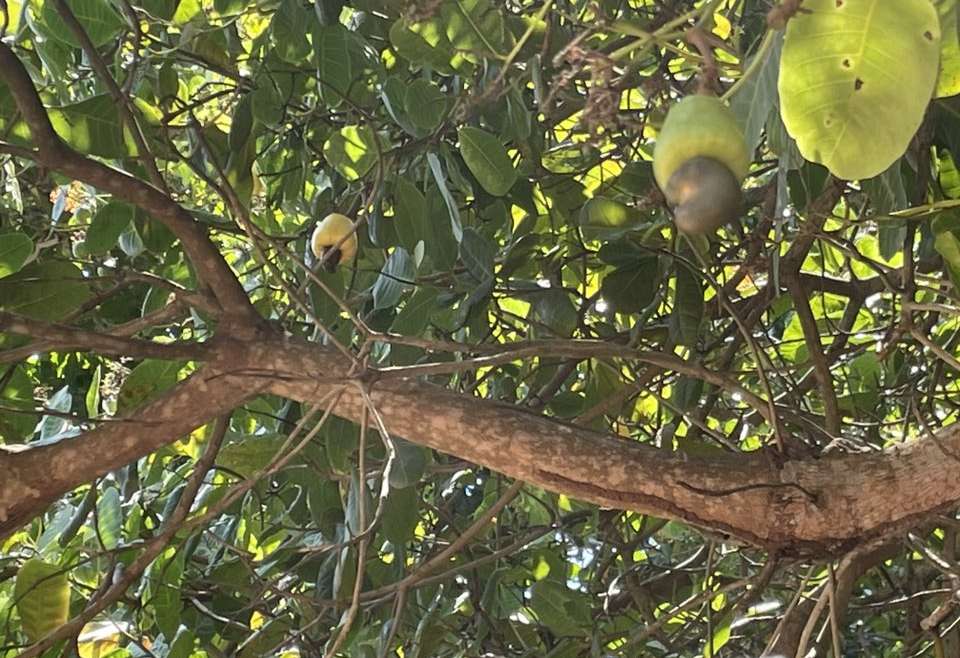
Imagine walking through a sun-dappled cashew orchard, the earthy scent of rich, warm soil mingling with the subtle fragrance of nearby herbs and flowers. Your cashew trees stand tall and vibrant, their leaves shimmering in the breeze, while beneficial insects hum softly nearby, keeping pests at bay without a drop of chemical spray. This isn’t just a gardener’s dream—it’s the magic of companion planting for cashew trees.
Whether you’re a smallholder growing a few trees or managing a larger orchard, companion planting can transform your approach to cashew cultivation. Let’s dive deep into how this age-old practice harnesses nature’s wisdom to boost growth, improve soil, and protect your trees—all while fostering biodiversity and sustainability.
What is Companion Planting and Why Does it Matter for Cashew Trees?
Companion planting involves growing different plants together to benefit each other—kind of like friends supporting one another. For cashew trees, this means pairing them with certain plants that can repel pests, enrich the soil, attract pollinators, or provide ground cover to reduce weeds and moisture loss.
Why is this important? Cashew trees are tropical perennials that thrive in well-drained, slightly acidic soils and benefit from an ecosystem that supports healthy roots and fewer pests. By selecting the right companions, you mimic the natural environment, reduce dependency on chemicals, and boost your trees’ productivity.
Best Companion Plants for Cashew Trees

Nitrogen-Fixing Legumes
Legumes like pigeon pea, cowpea, or mucuna are superstar companions for cashews. These plants have a special relationship with soil bacteria, pulling nitrogen from the air and enriching the soil naturally. When you plant legumes around your cashew trees, their roots feed nitrogen into the soil, supporting your cashew’s leafy growth and nut production.
Tip: Intercrop pigeon pea between cashew rows early in the season, and chop-and-mulch the residues to boost organic matter.
Aromatic Herbs and Flowers
Plants like marigold, basil, and lemongrass don’t just add color and fragrance—they repel common cashew pests such as aphids, whiteflies, and beetles. Marigolds, in particular, release compounds that deter nematodes and harmful insects, while attracting beneficial predators like ladybugs and lacewings.
Pro gardener’s advice: Plant marigolds in sunny patches near your cashew orchard edges for maximum pest control.
Ground Covers and Mulch Plants
Cashew trees prefer soil that stays moist but not soggy. Ground covers like sweet potato vines or vetiver grass help reduce evaporation, suppress weeds, and improve soil structure with their root systems. Vetiver grass is especially valuable for controlling erosion on sloped terrain.
Avoid: Aggressive ground covers that compete too heavily with young cashew roots for nutrients and water.
How to Set Up Companion Planting for Cashew Trees: Step-by-Step
- Assess Your Soil and Climate:
Test soil pH and texture; cashew trees prefer sandy loam with pH 5.5–6.5. Consider your local climate—companions should be suited to similar conditions. - Choose Your Companions Wisely:
Select legumes for nitrogen, aromatic plants for pest control, and ground covers for moisture retention. Balance is key—avoid plants that overly shade cashew seedlings or compete aggressively. - Plan Your Layout:
Plant legumes in rows or patches between cashew trees to avoid root crowding. Interplant herbs and flowers around tree bases or in border zones. - Maintain Regular Pruning and Mulching:
Keep companion plants healthy but controlled. Prune to ensure sunlight reaches cashew foliage. Use chopped green matter from companions as mulch for added nutrients. - Monitor and Adjust:
Watch for any negative interactions—like pests attracted to a certain companion or excessive competition—and adapt your plan as needed.
Common Mistakes to Avoid with Cashew Companion Planting
- Overcrowding: Planting too densely can stunt cashew growth. Always leave enough space for cashew roots and canopy to expand.
- Ignoring Pest Dynamics: Not all companions repel pests—some might attract unwanted insects. Research each plant’s pest profile before planting.
- Poor Soil Preparation: Companion planting doesn’t fix poor soil overnight. Start with healthy soil and improve it gradually with organic matter.
- Neglecting Seasonal Changes: Some companions may be annuals needing replanting each season, while cashews are perennial—plan for year-round coverage.
Real-Life Success Story: How a Smallholder in Ghana Boosted Cashew Yields Naturally
Kwame, a small-scale cashew farmer in Ghana, struggled with low yields and heavy pest pressure. Inspired by local agroforestry practices, he planted pigeon pea and marigolds among his young cashew trees. Within two years, his soil showed better fertility, pest outbreaks dropped noticeably, and his harvest increased by nearly 30%.
He credits companion planting with creating a more balanced ecosystem where his cashew trees could thrive naturally without costly pesticides.
Ready to Grow Your Cashew Orchard the Natural Way?
Companion planting is more than just a gardening technique—it’s a partnership with nature that nurtures your cashew trees, enriches your soil, and keeps pests at bay with less hassle and more joy. By choosing the right companions and caring for them alongside your cashews, you’re setting your orchard up for sustainable success.
I’d love to hear your experiences with companion planting or answer any questions you have. Drop a comment below or sign up for our newsletter to get more expert tips and stories straight to your inbox. Happy gardening!
Sign up to get our FREE weekly emails
Gardening guides, tips, & videos delivered right to your inbox!


