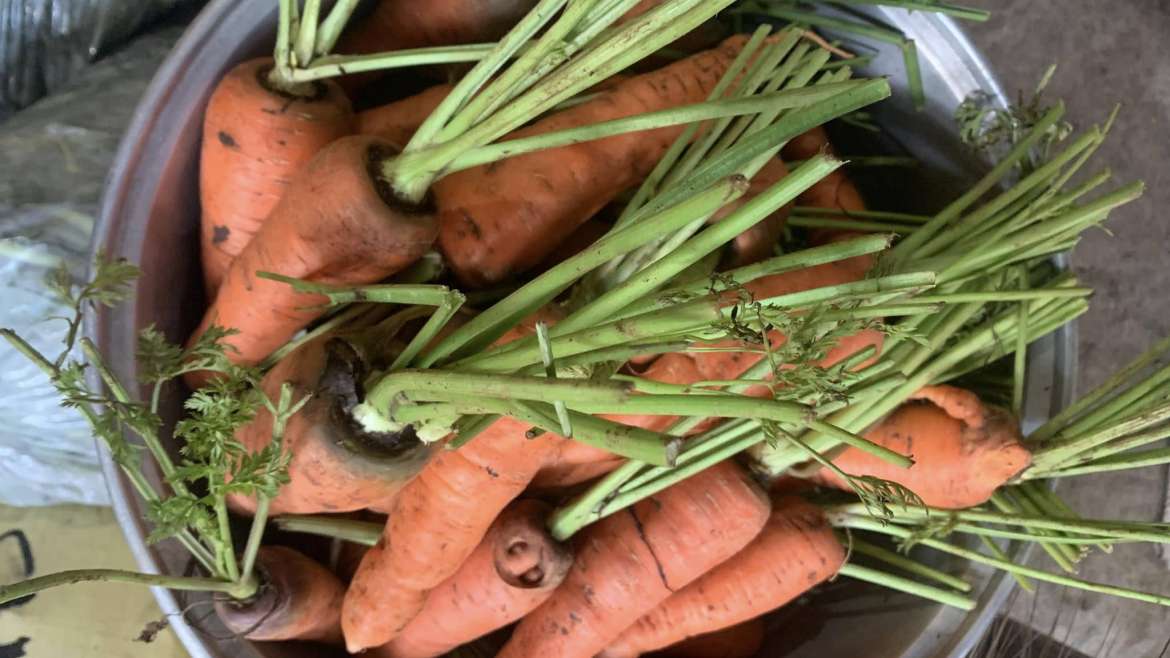
Carrots are a staple in gardens around the world. Their sweet, earthy flavor makes them a go-to vegetable for salads, stews, and snacks. However, if you want to take your carrot cultivation to the next level, you should consider the art of companion planting. Companion planting involves pairing plants together that benefit each other in terms of growth, pest control, or nutrient absorption.
In this post, we’ll explore why companion planting is essential for carrots, recommend the best companion plants, highlight those to avoid, and provide tips for growing carrots alongside their plant companions. Let’s dive in!
Why You Should Consider Companion Planting for Carrots
Companion planting is not just an old gardening tradition—it’s an efficient, natural strategy that can improve plant health and yield. Carrots, like many vegetables, have specific needs when it comes to space, light, water, and nutrients. By choosing the right companions, you can create a harmonious garden where plants help each other thrive.
Here are a few reasons why you should consider companion planting for carrots:
- Pest Control: Some plants naturally repel harmful insects that might target your carrots, such as aphids, carrot flies, and other pests.
- Improved Growth: Companion plants can help carrots grow more efficiently by enhancing soil health, boosting nutrient absorption, and providing shade or support.
- Maximized Use of Space: Growing companion plants that don’t compete for the same resources allows you to get more out of your garden space.
- Better Flavor and Quality: Certain plant combinations can even enhance the flavor of your carrots, making them sweeter and more vibrant.
By using these principles, you can create a thriving vegetable garden with carrots at the heart of it all.
Best Companion Plants for Carrots
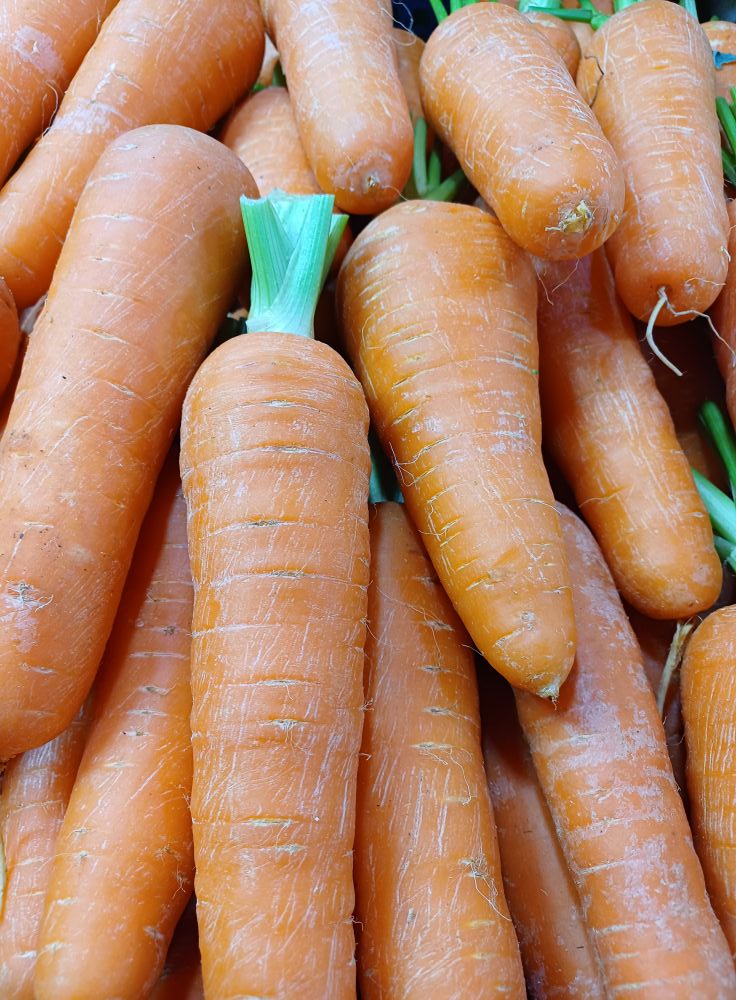
Now that we know the benefits of companion planting for carrots, let’s explore some of the best companion plants that can help your carrots grow stronger, healthier, and more productive.
1. Onions
Onions are one of the most beneficial companions for carrots. They help deter carrot flies, which are notorious pests that damage carrot roots. The strong smell of onions confuses the pests and keeps them away from your carrot crop. Furthermore, onions and carrots have complementary growth habits, so they won’t compete for space or nutrients.
2. Garlic
Much like onions, garlic offers protection against carrot flies. Planting garlic around your carrot patch is an excellent way to create a natural pest-repellent barrier. Garlic’s strong odor masks the scent of carrots, which also deters pests that are attracted to carrot plants.
3. Chives
Chives, a relative of garlic and onions, offer similar pest-repelling benefits. Their strong aroma can help protect carrots from aphids and other pests. Chives also have shallow root systems, which means they won’t compete with carrots for nutrients. They can be grown in between carrot rows or planted in a border around the carrot patch.
4. Lettuce
Lettuce is a fast-growing, shallow-rooted companion that can act as a living mulch for your carrots. Lettuce’s broad leaves provide some shade, helping to keep the soil cool, which is ideal for carrot growth. Additionally, lettuce can help suppress weeds, reducing the competition for nutrients and water.
5. Radishes
Radishes and carrots are an excellent duo. Radishes are quick-growing and can be harvested before carrots, leaving plenty of space for the latter to continue growing. Radishes also help break up the soil, improving aeration and allowing the carrot roots to grow deeper. Moreover, radishes can help deter pests like root maggots that may harm carrots.
6. Marigolds
Marigolds are well-known for their pest-repelling qualities. These flowers produce a scent that repels a wide range of pests, including aphids, beetles, and nematodes, all of which can damage carrots. Marigolds’ bright colors also attract beneficial insects like pollinators, which can improve the overall health of your garden.
7. Beans
Beans, especially bush beans, are a great companion plant for carrots because they fix nitrogen in the soil, enriching it with essential nutrients that carrots need to grow. Beans also provide a vertical layer to your garden, allowing for more efficient use of space. Be careful, however, to ensure that the beans aren’t shading the carrots too much.
8. Spinach
Spinach is another fast-growing leafy green that works well with carrots. Like lettuce, spinach’s broad leaves help shade the soil and keep the temperature stable, which benefits carrot growth. Additionally, spinach helps suppress weeds and can be harvested before the carrots need all the space.
Plants to Avoid Planting Near Carrots
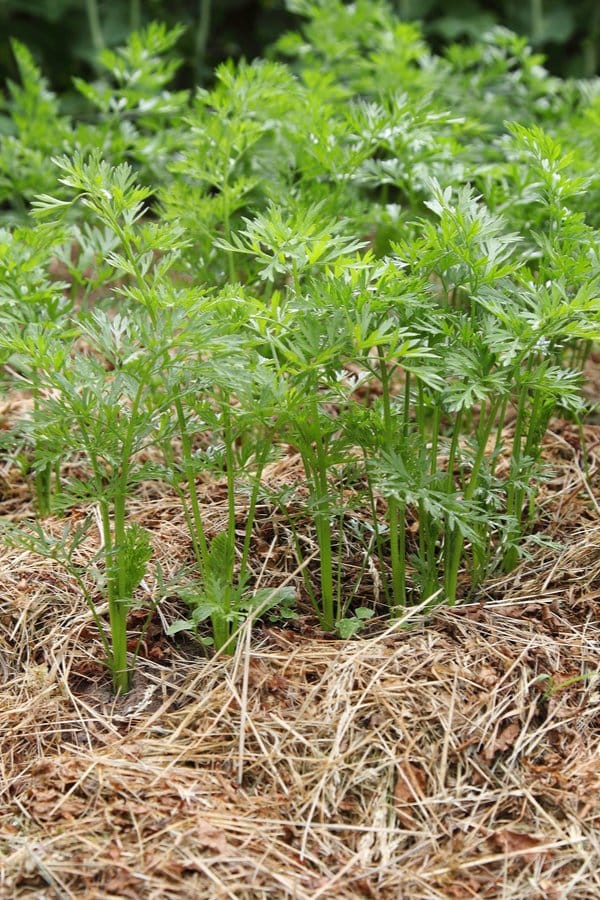
Not all plants are ideal companions for carrots. Some plants can inhibit carrot growth by competing for the same nutrients, attracting harmful pests, or emitting chemicals that stunt growth. Here are some plants to avoid near your carrots:
1. Dill
While dill has some benefits when planted with other crops, it’s best to avoid it near carrots. Dill can attract pests like aphids, which could potentially damage your carrots. It also competes for space and nutrients with carrots and can stunt their growth.
2. Parsley
Like dill, parsley should not be planted near carrots as it can attract pests and compete for nutrients. While parsley can benefit other crops, it’s best to plant it elsewhere in your garden.
3. Celery
Celery is not the best companion for carrots because both plants have similar nutrient requirements, which means they can end up competing for the same resources. Celery also has a relatively shallow root system, which can interfere with the growth of carrot roots.
4. Fennel
Fennel should be avoided near carrots because it can inhibit their growth. Fennel releases allelopathic chemicals that can affect the development of surrounding plants, including carrots. Additionally, fennel attracts aphids, which can damage carrots.
5. Cabbage and Related Plants
Cabbage, kale, and other cruciferous vegetables should be kept away from carrots. These plants are heavy feeders that compete with carrots for soil nutrients. They can also attract pests like cabbage worms, which may end up harming your carrots.
Tips for Growing Companion Plants with Carrots
Now that you know which plants make great companions for carrots and which ones to avoid, here are some additional tips for successfully growing companion plants alongside your carrots:
1. Plan Your Garden Layout
When planting carrots and their companions, be mindful of spacing. Carrots need enough room for their roots to grow deep, while companion plants should not overshadow them or crowd their space. Use vertical gardening techniques for taller companions like beans or marigolds to maximize space.
2. Rotate Your Crops
Avoid planting carrots in the same spot year after year. Crop rotation is essential for maintaining soil health and preventing the buildup of pests and diseases. When planning your garden, try to rotate carrot planting with different types of crops to ensure the soil stays balanced.
3. Use Mulch
Mulching is a great way to protect your carrots and their companion plants. A layer of mulch helps retain moisture, suppresses weeds, and keeps the soil temperature steady. Organic mulch like straw or grass clippings is ideal for carrot crops.
4. Monitor Soil Conditions
Carrots thrive in loose, well-drained soil. Ensure that your garden soil is fertile and has good aeration for deep root growth. Compost and well-rotted manure are excellent amendments for enriching the soil.
5. Watering
Proper watering is essential for both carrots and their companion plants. Carrots need consistent moisture, but overwatering can lead to rot. Water your garden deeply and regularly, but allow the soil to dry slightly between waterings to prevent issues with root rot.
Conclusion
Companion planting is an excellent way to enhance your carrot crop and promote a healthier, more productive garden. By pairing your carrots with the right companions like onions, garlic, and marigolds, you can improve pest control, boost growth, and make the most of your garden space.
Remember to avoid planting carrots with pests-attracting plants like dill and fennel, and follow the tips for optimal growth. If you’re ready to dive into companion planting and take your carrot cultivation to new heights, get started today and watch your garden flourish!
Ready to improve your garden with the best companion plants for carrots? Start planting today and see the difference! For more gardening tips and expert advice, subscribe to our newsletter and join our community of passionate gardeners.
Sign up to get our FREE weekly emails
Gardening guides, tips, & videos delivered right to your inbox!