
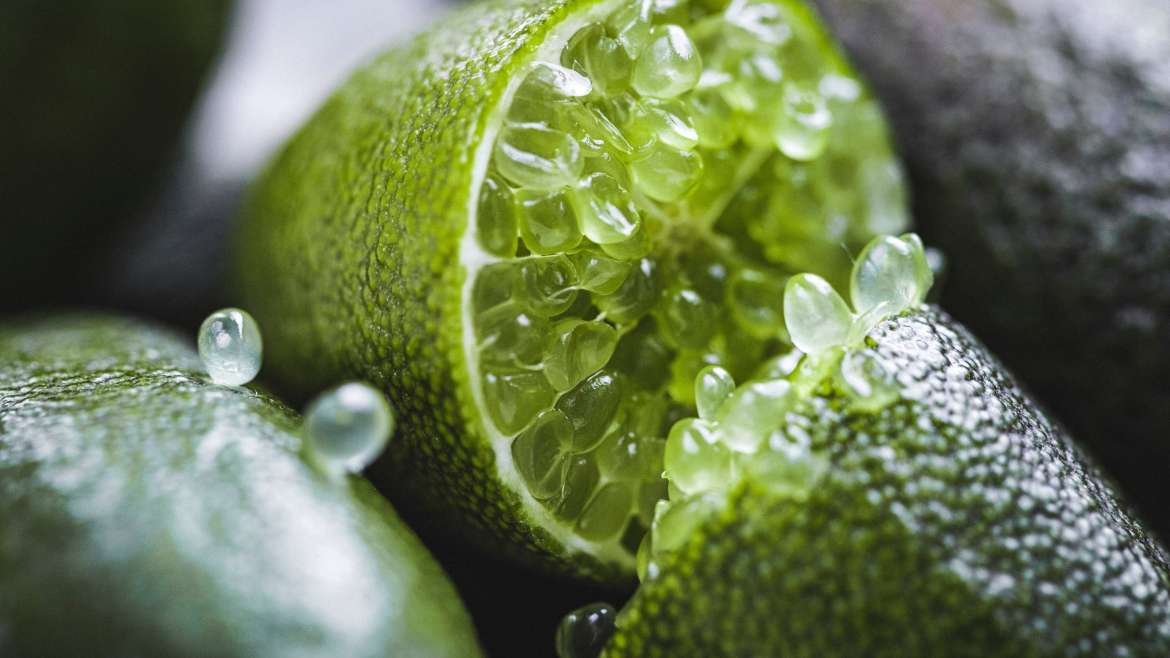
Growing finger limes offers the unique advantage of producing a highly sought-after, exotic citrus fruit with a distinctive caviar-like texture, perfect for gourmet dishes.
Finger limes, often referred to as “caviar limes,” are a unique and exotic citrus fruit native to Australia.
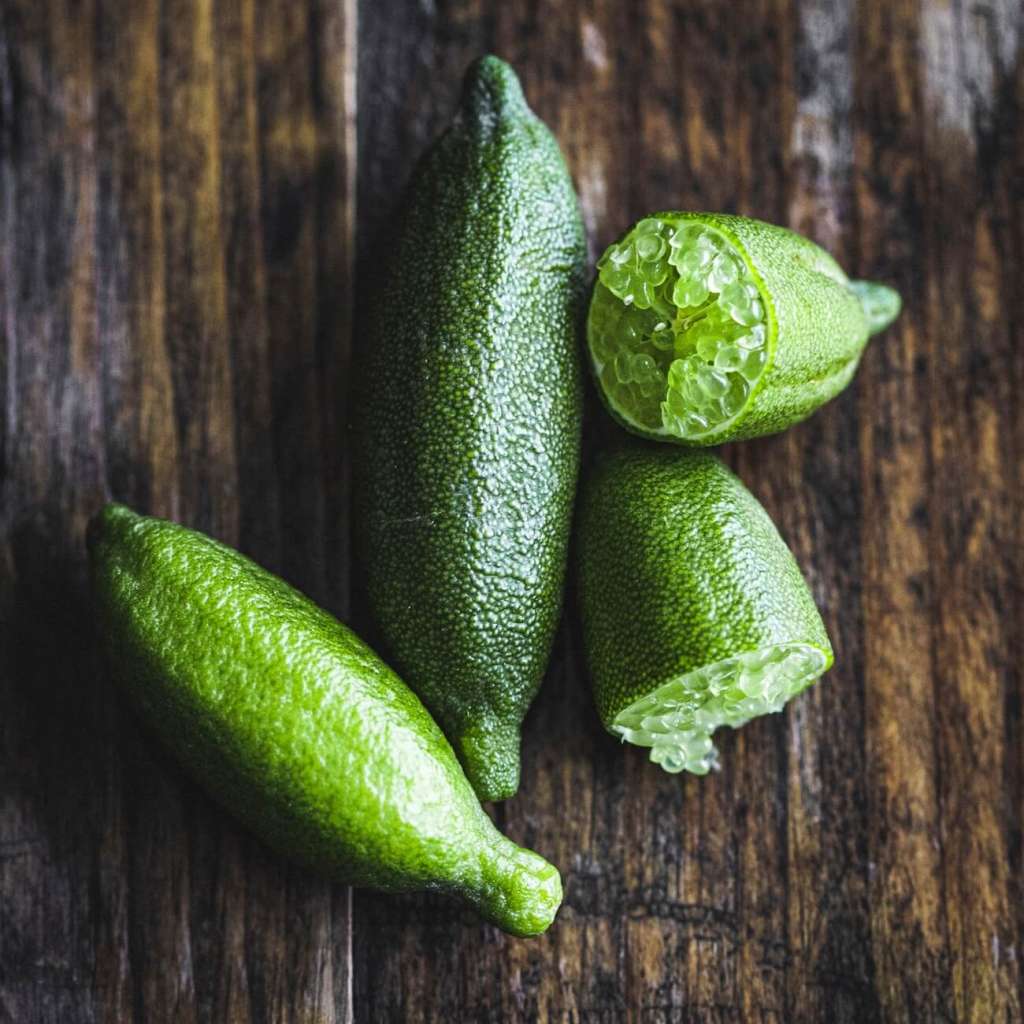
These small, elongated fruits are filled with tiny, pearl-like vesicles that burst with a tangy, lime-like flavor when bitten into.
The vesicles, which resemble caviar, make finger limes a popular ingredient in gourmet dishes, adding a burst of citrusy freshness to everything from seafood to desserts.
In addition to their culinary appeal, finger limes are also valued for their health benefits, being rich in vitamins C and E, antioxidants, and folate.
With their distinctive appearance and vibrant flavor, finger limes are becoming increasingly sought after by chefs and food enthusiasts around the world.
How to Grow Finger Limes
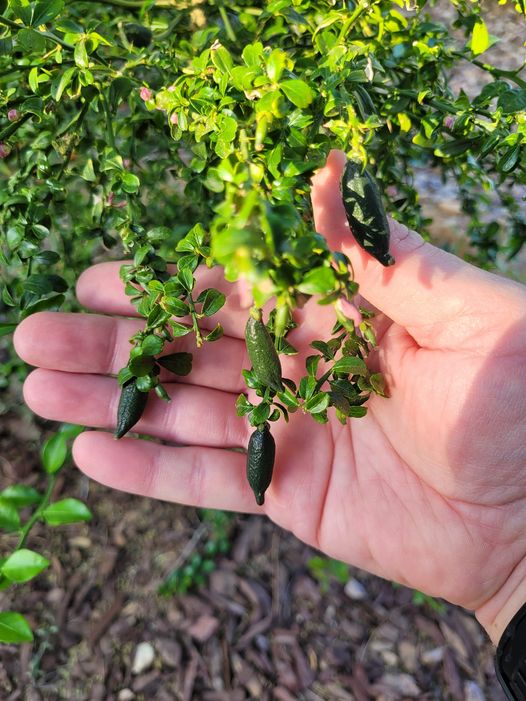
Growing finger limes is an exciting venture for those interested in cultivating a unique and exotic citrus fruit. They can be grown in the right climate and with proper care, either in the ground or in containers.
Planting Finger Limes
- Climate: Finger limes are native to the subtropical rainforests of Australia and thrive in warm, humid climates. They are hardy in USDA zones 9-12. If you live in a cooler climate, consider growing finger limes in a container so they can be moved indoors during the winter.
- Soil: Finger limes prefer well-draining soil with a slightly acidic pH (5.5 to 6.5). Amend the soil with organic matter or compost to improve drainage and fertility.
- Sunlight: Plant finger limes in a location that receives full sun for at least 6-8 hours a day. They can tolerate partial shade, but fruit production may be reduced.
- Planting Depth: When planting in the ground, dig a hole twice the size of the root ball and place the tree at the same depth it was growing in the pot. If planting in a container, choose a pot that is at least 18-24 inches in diameter and ensure it has drainage holes.
Growing Finger Limes
- Watering: Keep the soil consistently moist but not waterlogged. Finger limes have shallow root systems, so regular watering is essential, especially during dry periods. Mulch around the base of the tree to retain moisture and regulate soil temperature.
- Fertilizing: Feed your finger lime tree with a balanced citrus fertilizer every 6-8 weeks during the growing season (spring through early autumn). Reduce feeding in the winter when the tree is dormant.
- Pruning: Prune finger limes lightly to maintain their shape and remove any dead, diseased, or crossing branches. Pruning also helps improve air circulation, reducing the risk of disease. Be careful of the small thorns that finger lime trees often have.
- Support: If growing in a windy area, consider staking young trees to prevent them from being damaged.
Caring for Finger Limes
- Pest and Disease Control: Finger limes can be susceptible to common citrus pests such as aphids, spider mites, and scale insects. Regularly inspect the tree and treat any infestations with insecticidal soap or horticultural oil. To prevent fungal diseases, avoid overhead watering and ensure good air circulation around the tree.
- Temperature Protection: While finger limes can tolerate brief periods of frost, prolonged exposure to freezing temperatures can damage the tree. If frost is expected, cover the tree with frost cloth or bring potted plants indoors.
- Harvesting: Finger limes typically begin bearing fruit 2-3 years after planting. The fruits are ready to harvest when they are fully colored and slightly soft to the touch. Twist the fruit gently to detach it from the branch. Harvesting usually occurs from late summer to early winter, depending on your climate.
Using Finger Limes
- Culinary Uses: The caviar-like vesicles of finger limes are a delightful garnish for seafood, salads, desserts, and cocktails. The unique texture and burst of citrus flavor add a gourmet touch to any dish.
- Storage: Fresh finger limes can be stored in the refrigerator for up to 3 weeks. You can also freeze the vesicles for longer storage.
Finger Lime Growing Zones
Finger limes are well-suited for growing in USDA hardiness zones 9 through 12. These zones typically feature mild winters and warm, humid summers, which are ideal conditions for finger lime cultivation.
Ideal Growing Zones:
- Zone 9: This zone experiences mild winters with temperatures ranging from 20°F to 30°F (-6.7°C to -1.1°C). Finger limes can be grown here, but they may need protection during occasional frost events.
- Zone 10: With winter temperatures between 30°F and 40°F (-1.1°C to 4.4°C), this zone provides a very suitable climate for finger limes, minimizing the risk of frost damage.
- Zone 11-12: In these zones, winter temperatures are above 40°F (4.4°C), making it the most favorable zone for finger limes, where they can thrive without any concern for frost.
Growing Finger Limes FAQ
Finger limes thrive in warm, subtropical to tropical climates. They prefer temperatures between 60°F to 85°F (15°C to 30°C) and can tolerate light frost once established, but they are not suitable for regions with harsh winters.
Yes, finger limes can be grown indoors in containers, provided they have plenty of sunlight (at least 6 hours of direct sunlight daily) or supplemental grow lights. They should be placed near a south-facing window or in a greenhouse.
While you can grow finger limes from seeds, they can take several years to fruit, and the resulting plants may not have the same quality as the parent. Grafted plants are preferred for quicker and more reliable fruit production.
Finger limes need regular watering, especially during dry spells. Keep the soil consistently moist but not waterlogged. Reduce watering in winter when the plant’s growth slows down.
Finger limes typically start producing fruit after 2-3 years when grown from a grafted plant. The fruiting season varies depending on the climate but generally occurs from late summer to early winter.
Prune finger limes in late winter or early spring to shape the plant and remove any dead or diseased branches. Pruning also encourages better air circulation and sunlight penetration, promoting healthy growth.
Harvest finger limes when they are fully colored and slightly soft to the touch. Gently twist or clip the fruit from the tree. The fruit is delicate, so handle it carefully to avoid bruising.
Sign up to get our FREE weekly emails
Gardening guides, tips, & videos delivered right to your inbox!


