
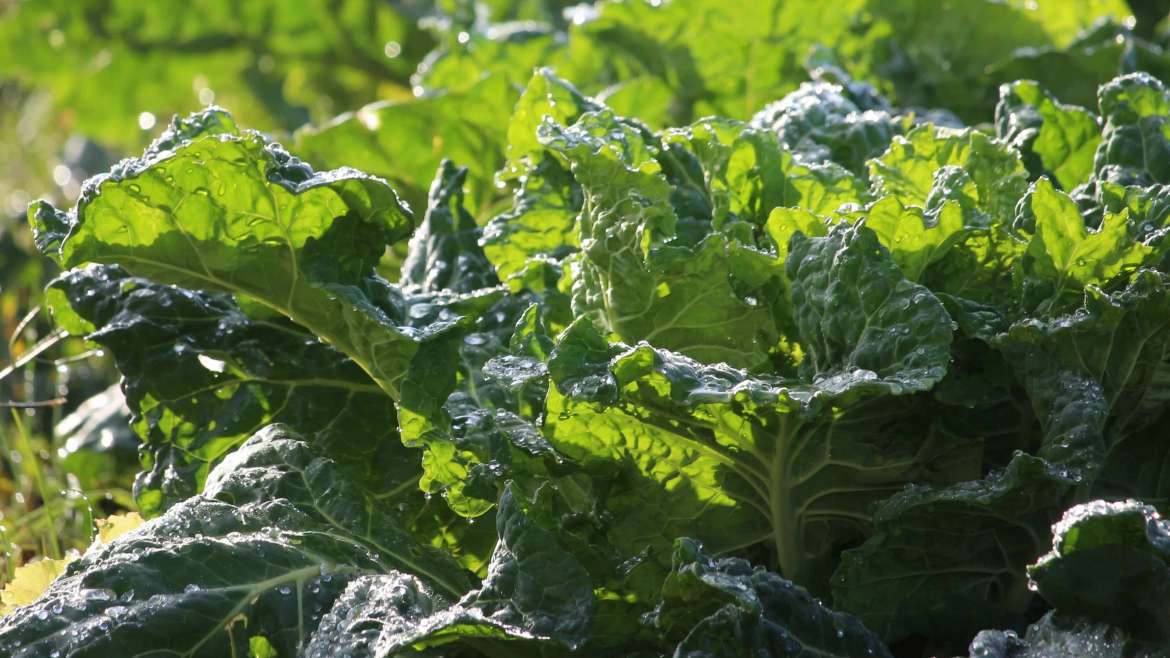
Collard Greens. It may not sound as exotic as a loquat, but trust me, this leafy green deserves a spot in your garden (and your plate). If you’ve never tried them, imagine spinach, but with a heartier texture and a more earthy flavor. Packed with vitamins, fiber, and antioxidants, collard greens are the kind of vegetable that makes you feel like you’re doing your body a solid every time you take a bite.
They’re not just good for you; they’re tough, too. Collards love cooler weather, so plant them in early spring or fall, and they’ll thrive even when the temperatures dip a little. Once they get going, they don’t mind a little cold breeze and can even survive light frost—talk about a resilient veggie.
Growing them? Easy as pie. Give them rich, well-drained soil and regular water, and they’ll reward you with their deep green, broad leaves that practically scream “I’m packed with goodness.” Harvest them as young, tender leaves for a milder taste, or let them grow bigger for that bold collard flavor. Just don’t expect them to do well in containers—they need room to spread out and stretch their roots.
And don’t be fooled by their humble appearance. These greens can take a bit of cooking to get just right (a long, slow simmer is your friend), but once you hit the sweet spot, they’re as comforting as a hug in a bowl.
How to Grow Collard Greens
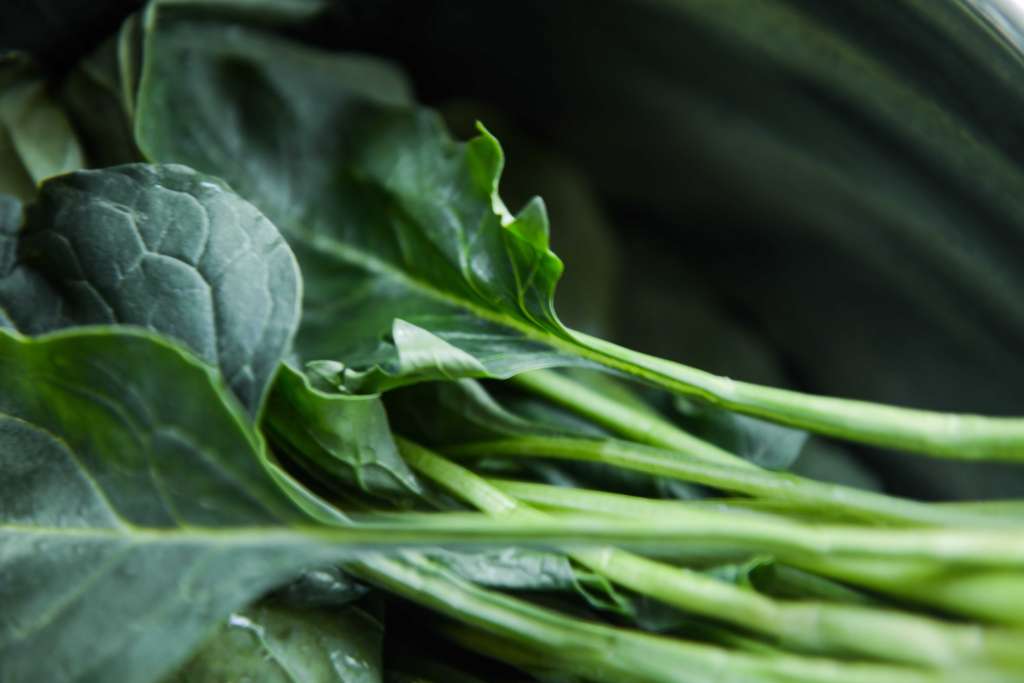
Growing collard greens is a rewarding gardening activity. Collard greens are hardy leafy vegetables known for their resilience and nutritional benefits.
Planting Collard Greens
- Timing:
- Collard greens thrive in cooler weather. Plant seeds 6 to 8 weeks before the first fall frost for a fall harvest or 4 to 6 weeks before the last spring frost for a spring harvest.
- In mild winter climates, collards can be grown throughout the winter.
- Site Selection:
- Choose a location that receives full sun, though collards can tolerate some shade.
- Ensure the soil is well-drained and rich in organic matter. A slightly acidic to neutral pH (6.0 to 7.5) is ideal.
- Planting:
- Seeds: Sow seeds 1/4 to 1/2 inch deep, spacing them 6 inches apart in rows that are 18 to 24 inches apart.
- Transplants: If transplanting seedlings, space them 12 to 18 inches apart.
- Thin seedlings to the proper spacing once they reach 2 to 3 inches tall.
Growing Collard Greens
- Watering:
- Keep the soil consistently moist, providing 1 to 1.5 inches of water per week.
- Mulching around the plants helps retain moisture and suppress weeds.
- Fertilizing:
- Collards are heavy feeders. Apply a balanced fertilizer, such as 10-10-10, at planting time.
- Side-dress with additional fertilizer 4 to 6 weeks after planting or when plants are well established.
- Pest and Disease Control:
- Watch for common pests like aphids, cabbage worms, and flea beetles. Use row covers to protect young plants.
- Diseases like black rot and downy mildew can affect collards. Practice crop rotation and avoid overhead watering to minimize disease risk.
- Care:
- Regularly check for pests and remove any damaged or diseased leaves.
- Collards are hardy plants that can withstand light frosts, which can actually improve their flavor.
Harvesting Collard Greens
- When to Harvest:
- Collard greens can be harvested once the leaves reach a usable size, typically 10 to 12 inches long.
- For the best flavor, harvest leaves when they are young and tender. Mature leaves can become tough and bitter.
- How to Harvest:
- Use a sharp knife or garden shears to cut the leaves from the base of the plant. Start with the outer leaves and work your way inward, leaving the central growing bud intact.
- You can also harvest the entire plant by cutting it at the base, but leaving the plant in the ground allows for continuous harvests.
- Post-Harvest Handling:
- After harvesting, rinse the leaves thoroughly to remove any dirt or insects.
- Store collard greens in the refrigerator in a plastic bag. They can last up to a week when stored properly.
Collard Greens Growing Zone
Collard greens are a hardy leafy green vegetable that can be grown in a wide range of growing zones, typically from USDA hardiness zones 6 through 11.
- Zones 6-7: In these cooler climates, collard greens are best planted in early spring for a late spring or early summer harvest, or in late summer for a fall harvest. They can tolerate light frost and their flavor improves after a frost.
- Zones 8-11: In warmer climates, collard greens can be grown almost year-round. In these zones, you can plant in the fall for a winter harvest or in late winter for a spring harvest. They are more heat-tolerant but do best in cooler weather.
Tips for Success
- Succession Planting: To ensure a continuous supply of collard greens, consider succession planting every few weeks.
- Frost Tolerance: Collard greens are more flavorful after exposure to light frosts, so don’t rush to harvest them all before the first frost.
- Companion Planting: Collards grow well alongside other brassicas, like broccoli and cabbage, but avoid planting them near strawberries and tomatoes.
Growing Collard Greens FAQ
Collard greens are leafy green vegetables, part of the cabbage family, known for their slightly bitter taste and high nutritional value. They are commonly grown in home gardens for their edible leaves.
Collard greens thrive in cool weather. They can be planted in early spring for a summer harvest or in late summer for a fall or winter harvest. In warmer climates, they can be grown year-round.
Collard greens can be harvested when the leaves reach about 10 inches long. Harvesting typically begins 6-8 weeks after planting. You can pick the outer leaves first, allowing the inner leaves to continue growing for a longer harvest period.
Yes, collard greens can be grown in containers. Choose a large pot with good drainage, at least 12-18 inches deep, and fill it with high-quality potting soil. Regular watering and fertilizing are key for container-grown collards.
Plant the seeds about 1/4 inch deep and 6 inches apart. Keep the soil consistently moist, and thin the seedlings to about 18-24 inches apart once they are a few inches tall to give them room to grow. Regularly water and fertilize the plants, and they should be ready for harvest in 60 to 85 days.
You can expect to harvest collard greens up to 3-4 times if you’re taking larger amounts at once or up to 8-10 times if you’re selectively harvesting leaves over an extended period.
Sign up to get our FREE weekly emails
Gardening guides, tips, & videos delivered right to your inbox!


