

Cauliflower. Yeah, I know, it might not be the first vegetable that comes to mind when you think of flavor-packed powerhouses, but trust me, it’s a game-changer. Imagine broccoli’s cool cousin who loves to soak up all the spices you throw at it and isn’t afraid to get crispy in the oven. Mild yet versatile, cauliflower’s the unsung hero of the veggie world. Roast it, mash it, even turn it into pizza crust—this veggie’s got range.
It grows best in cool weather, so think fall through early spring—just when you’re craving a cozy, hearty meal. And the best part? Cauliflower is packed with vitamins and fiber, making it a total powerhouse for your gut and immune system. It’s like nature’s way of giving you a veggie hug.
But don’t expect it to be high-maintenance. It likes a good amount of water and decent soil, but it’s not picky. It’ll thrive with a little attention, but it’s no diva. And once it’s in the ground, it’ll be ready to bloom in 75 to 100 days. Plus, those big, leafy greens that surround the cauliflower head? They’re pretty, and they’re good for composting, so nothing goes to waste.
In short, cauliflower’s that low-key, nutrient-packed vegetable you never realized you needed in your life.
How to Grow Cauliflower
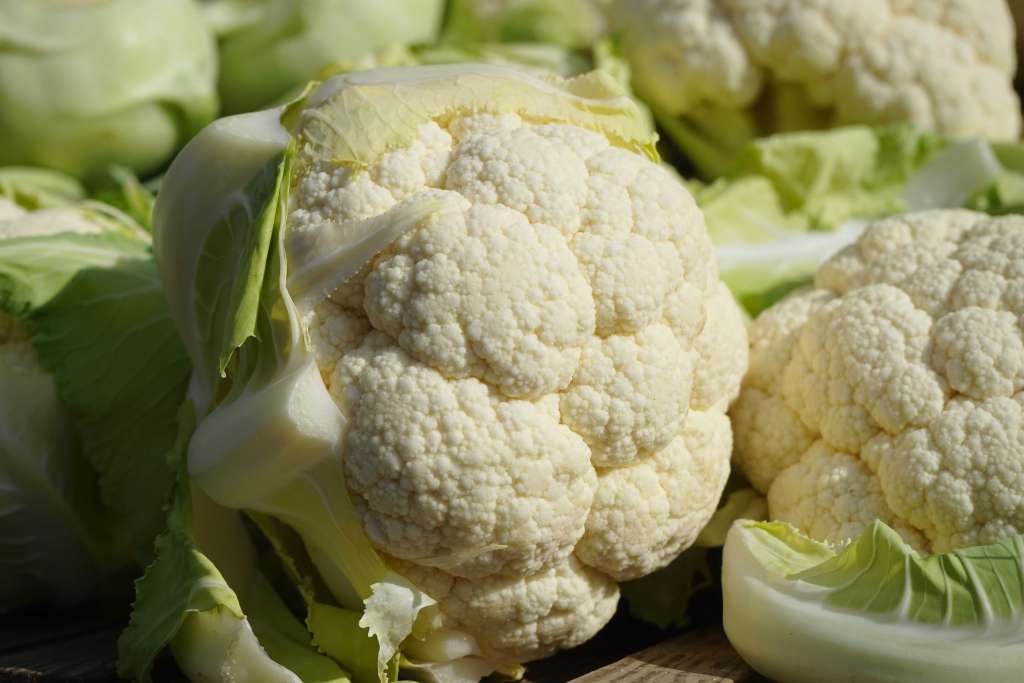
Growing cauliflower offers several benefits, both nutritionally and in terms of gardening experience. Check out below guide to get started.
Planting Cauliflower
- When to Plant:
- Spring Planting: Start seeds indoors 4-6 weeks before the last expected frost, and transplant seedlings outdoors 2-4 weeks before the last frost. Alternatively, you can directly sow seeds outdoors as soon as the soil can be worked in early spring.
- Fall Planting: Start seeds in late summer and transplant seedlings outdoors 6-8 weeks before the first expected frost.
- Location:
- Choose a site with full sun (6-8 hours of sunlight per day).
- Ensure the soil is fertile, well-drained, and rich in organic matter with a pH between 6.0 and 7.0.
- Soil Preparation:
- Work compost or well-rotted manure into the soil before planting.
- Add a balanced fertilizer, such as 10-10-10, to the soil according to package instructions.
- Planting Process:
- Space plants 18-24 inches apart in rows 24-30 inches apart.
- Plant seedlings at the same depth they were growing in the pots.
- Water thoroughly after planting.
Growing Cauliflower
- Watering:
- Keep the soil consistently moist but not waterlogged.
- Water deeply and regularly, especially during dry periods.
- Fertilizing:
- Feed with a nitrogen-rich fertilizer about 3-4 weeks after planting.
- Avoid over-fertilizing, which can lead to excessive leaf growth at the expense of the heads.
- Mulching:
- Apply a layer of mulch around the plants to retain moisture, suppress weeds, and keep the soil cool.
- Blanching:
- When the head (curd) is about 2-3 inches in diameter, gather the outer leaves and tie them over the head to protect it from the sun, which can cause it to turn yellow.
- This process, called blanching, helps keep the head white and tender.
Harvesting Cauliflower
- When to Harvest:
- Harvest cauliflower heads when they reach 6-8 inches in diameter and the florets are tightly packed.
- Heads should be harvested before they start to separate or discolor.
- How to Harvest:
- Use a sharp knife to cut the head from the plant, leaving a few outer leaves attached to protect the curd.
- Harvest in the morning when the heads are at their freshest.
- Post-Harvest Care:
- Store harvested cauliflower in a cool, dry place.
- Cauliflower can be stored in the refrigerator for up to two weeks.
Pest and Disease Management
- Common Pests:
- Cabbage Worms: These green caterpillars can be controlled with row covers or organic insecticides like Bt (Bacillus thuringiensis).
- Aphids: Spray with insecticidal soap or a strong jet of water to dislodge them.
- Diseases:
- Clubroot: This soil-borne disease can be prevented by rotating crops and ensuring good soil drainage.
- Black Rot: Avoid overhead watering and remove any affected plants to prevent spread.
Cauliflower Growing Zone
Cauliflower is a cool-season crop that grows best in USDA Hardiness Zones 2-11. It generally prefers temperatures between 60-70°F (15-21°C).
It can be challenging to grow in areas with extreme heat or cold, so it’s often planted in early spring or late summer to avoid the hottest part of the year.
In regions with milder winters, it can be grown as a fall or winter crop.
Growing Cauliflower FAQ
Cauliflower is a cool-season crop, so it’s best to plant it in early spring or late summer to early fall. For spring planting, start seeds indoors 4-6 weeks before the last frost date and transplant them outdoors once the soil warms up. For fall crops, sow seeds in mid to late summer.
Bitter cauliflower is often the result of inconsistent watering or heat stress. Keeping the soil consistently moist and providing shade during extreme heat can help prevent bitterness.
Cauliflower can be grown in containers, but it requires a large pot (at least 12-18 inches deep and wide) and regular watering. Choose a compact or dwarf variety for the best results.
Cauliflower is typically ready to harvest about 70-100 days after planting, depending on the variety. Harvest when the heads are firm, compact, and have reached a size of 6-8 inches in diameter. Cut the heads off with a sharp knife, leaving a few inches of the stem and some leaves for protection.
Typically, a cauliflower plant produces one large head per plant. After the main head is harvested, some varieties might produce smaller side heads, but these are usually not as large as the main one. Generally, you can expect to harvest one good-sized cauliflower head from each plant.
Select a healthy cauliflower plant and cut a stem that includes some leaves. Place the stem in water, ensuring the base is submerged, and keep it in a well-lit area but out of direct sunlight. Change the water every few days to prevent stagnation. After a couple of weeks, roots should begin to form at the base of the stem.
Cauliflower is generally a “one-and-done” plant, meaning that after you harvest the main head, it won’t regrow another one.
Sign up to get our FREE weekly emails
Gardening guides, tips, & videos delivered right to your inbox!


