
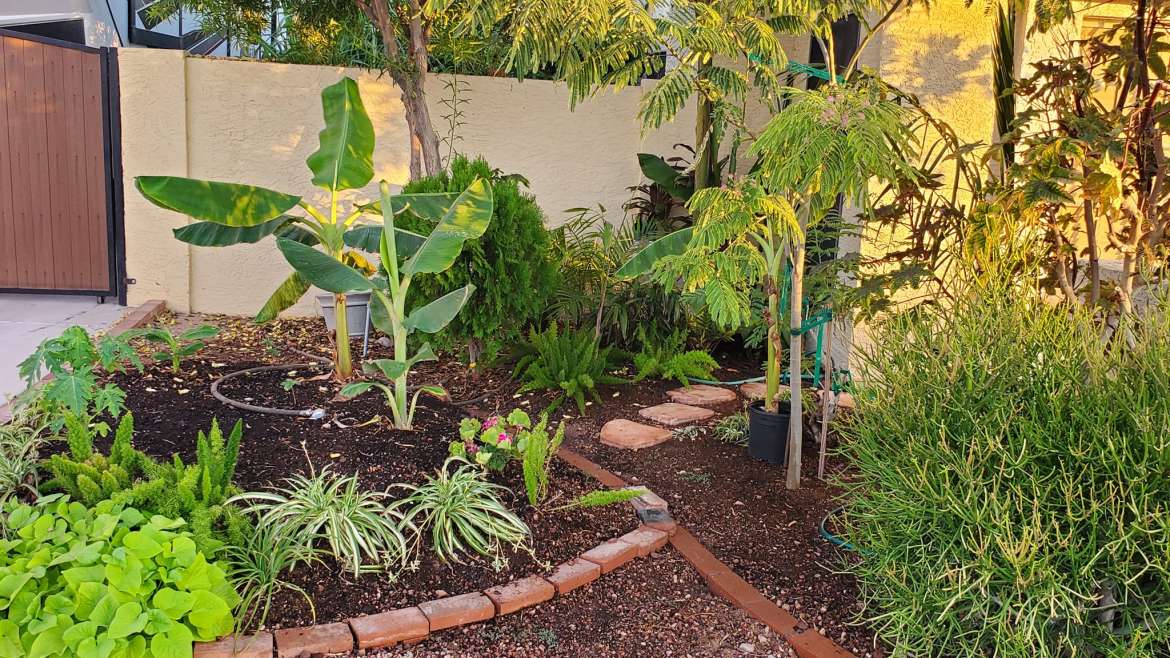
Ginger is a popular tropical plant known for its aromatic rhizomes that are used in a variety of culinary dishes, teas, and even for medicinal purposes. Its distinctive taste and medicinal properties make it a beloved addition to any garden.
However, growing ginger isn’t always as simple as planting a root and letting it grow. One of the most effective ways to optimize your ginger harvest is through companion planting.
Companion planting is a gardening technique that involves pairing plants that benefit each other in various ways. By selecting the right companions for your ginger plants, you can improve growth, enhance flavor, reduce pests, and boost the overall health of your garden.
In this post, we will explore the best companion plants for ginger, the ones to avoid, and tips on growing them together to create a thriving garden.
Why You Should Consider Companion Planting for Ginger

Before diving into specific plant pairings, it’s essential to understand the benefits of companion planting for ginger:
- Improved Growth and Yield. When grown alongside certain plants, ginger can experience improved growth due to enhanced soil health, better moisture retention, and increased nutrient availability. Plants that support each other by fixing nitrogen or shading the soil can directly influence the growth rate and yield of your ginger.
- Pest Control. Some companion plants act as natural pest deterrents. Ginger, like many plants, is susceptible to pests such as aphids, spider mites, and root-knot nematodes. Certain plants can repel or attract beneficial insects that help manage these pests, reducing the need for chemical pesticides.
- Disease Prevention. Companion planting can also help reduce the spread of soil-borne diseases. Plants that act as disease suppressors or form beneficial relationships with ginger can keep your garden healthier and more resilient.
- Improved Soil Health. Certain plants can fix nitrogen, enhance soil structure, and improve overall soil health. This is especially important for ginger, which thrives in well-drained, loamy soil rich in nutrients. Companion planting helps maintain soil fertility naturally.
Best Companion Plants for Ginger

Now that you understand why companion planting is beneficial, let’s take a look at the best companion plants for ginger. These plants not only thrive alongside ginger but also contribute to its health and growth.
1. Garlic
Garlic is an excellent companion for ginger due to its ability to repel pests. It has a strong odor that deters aphids, spider mites, and other insects that are harmful to ginger. Additionally, garlic helps improve soil health by adding organic matter when its leaves decompose. Garlic is also a natural antifungal, making it great for preventing diseases in your ginger plants.
2. Turmeric
Turmeric and ginger belong to the same family (Zingiberaceae), making them natural companions. These plants thrive in similar growing conditions and benefit from the same care. Growing them together can also help improve the soil’s organic matter content, promoting better drainage and aeration. Additionally, turmeric can help to shade ginger from the harsh midday sun, creating an optimal microclimate for both plants.
3. Cilantro
Cilantro is a fast-growing herb that can complement ginger in various ways. Its strong aroma acts as a natural pest repellent, deterring aphids, whiteflies, and other insects that may damage your ginger. Cilantro’s shallow roots also help loosen the soil, providing better aeration and drainage for the ginger rhizomes. Plus, cilantro’s delicate foliage provides a natural mulch around ginger plants, retaining moisture in the soil.
4. Marigolds
Marigolds are not only beautiful but also incredibly effective at keeping pests away. Their strong scent repels nematodes, aphids, and even rabbits, making them an excellent choice for companion planting with ginger. Marigolds can also enhance the health of your soil by attracting beneficial insects such as ladybugs and predatory beetles that feed on harmful pests. Planting marigolds around ginger can create a protective barrier against pests.
5. Lemongrass
Lemongrass and ginger share a similar tropical habitat, making them perfect companions. Lemongrass can help keep pests like mosquitoes, aphids, and ants at bay with its strong scent. The tall, grassy growth of lemongrass can also provide partial shade to ginger plants, preventing them from becoming overheated during hot spells. Additionally, lemongrass can help retain soil moisture and reduce erosion, benefiting the ginger’s root system.
6. Basil
Basil is another herb that pairs well with ginger. Its strong scent repels pests such as aphids, whiteflies, and mosquitoes. Basil is also a fast-growing herb, which means it can provide quick ground cover to protect ginger from weed growth. The two plants share similar soil and water requirements, making them a good match for the same growing conditions.
Plants to Avoid Planting Near Ginger

While many plants are great companions for ginger, some can inhibit its growth or attract harmful pests. It’s important to be mindful of what you plant near your ginger to avoid these negative interactions.
1. Beans
Beans are legumes that can fix nitrogen in the soil, which may seem beneficial for ginger. However, beans can also attract pests like aphids and other insects that can damage your ginger plants. Additionally, beans may compete with ginger for space and nutrients, making them less than ideal companions.
2. Onions
Onions are known to have allelopathic properties, which means they can release chemicals into the soil that inhibit the growth of nearby plants. Ginger may be affected by these chemicals, leading to reduced growth and yield. Additionally, onions can attract pests like onion flies, which could also affect ginger.
3. Carrots (Daucus carota)
Carrots have long, deep roots that can compete with ginger for nutrients and water. While carrots themselves are not harmful to ginger, the competition for resources may hinder ginger’s growth. Moreover, carrots may attract root pests that could affect the ginger rhizomes, making them a poor companion.
4. Fennel
Fennel is another plant to avoid near ginger due to its allelopathic properties. Fennel can release chemicals into the soil that inhibit the growth of nearby plants, including ginger. Fennel is also known to attract pests such as aphids, which could harm ginger plants.
Tips for Growing Companion Plants with Ginger
To make the most out of your ginger and companion plants, here are some tips to ensure a successful and harmonious garden:
1. Planting in the Right Location
Choose a location for your ginger and its companions that provides adequate sunlight, good drainage, and protection from wind. Ginger thrives in tropical conditions, so try to mimic those conditions in your garden. Partial shade from taller companions like lemongrass or turmeric can help protect ginger from the intense midday sun.
2. Maintain Proper Spacing
Ensure that your ginger and companion plants are spaced appropriately. While companion plants can help improve soil health and deter pests, overcrowding can lead to competition for nutrients, water, and space. Follow the recommended spacing guidelines for each plant to avoid competition and ensure that each one has room to thrive.
3. Mulch for Moisture Retention
Use organic mulch around your ginger and companion plants to retain moisture and keep the soil temperature stable. Mulch also helps prevent weed growth and provides a slow release of nutrients as it decomposes. Materials like straw, shredded leaves, or grass clippings work well.
4. Monitor for Pests and Diseases
Even with companion planting, it’s important to regularly monitor your garden for pests and diseases. Keep an eye on both your ginger and its companion plants to identify any issues early. Use natural remedies such as neem oil or insecticidal soap if needed, but always opt for organic options to maintain a healthy garden ecosystem.
Conclusion: Start Your Companion Planting Journey Today!
Companion planting can significantly enhance the health, growth, and yield of your ginger. By choosing the right companions and avoiding harmful plants, you create a harmonious and productive garden environment. Garlic, turmeric, cilantro, marigolds, lemongrass, and basil are all excellent choices for companion planting with ginger, while beans, onions, carrots, and fennel should be avoided.
Are you ready to grow a thriving garden with ginger and its best companions? Start planning your garden today, and see how companion planting can boost your ginger harvest. Happy gardening!
Want more tips on companion planting and maximizing your garden’s potential? Subscribe to our newsletter for expert gardening advice and the latest updates straight to your inbox!
Sign up to get our FREE weekly emails
Gardening guides, tips, & videos delivered right to your inbox!


