Growing cranberries is a process that requires specific conditions and careful management. Cranberries are typically grown in acidic, sandy bogs or marshes, mostly in regions with a cool climate like the northeastern United States and parts of Canada. Cranberries. Weird little berry, but damn, they pack a punch. If you’ve never tasted one, picture a tiny, tart explosion that feels…
Cosmos. Sounds pretty celestial, right? But these flowers are down-to-earth in the best possible way. If you’ve never seen one, picture a daisy that’s been given a touch of wild, free-spirited flair. Vibrant colors that range from pinks to purples to whites, and they dance in the breeze like they’ve never heard of a stiff neck. They’re cheerful, tough, and…
Parsnips are a versatile root vegetable known for their sweet, nutty flavor and creamy texture when cooked. Often compared to carrots, parsnips have a distinct earthiness that adds depth to a variety of dishes. They are particularly popular in soups, stews, and roasted vegetable medleys, where their natural sugars caramelize beautifully, enhancing their rich taste. In addition to their culinary…
Growing Morning Glories is a rewarding experience for gardeners of all levels. Morning Glories. Weird name, but oh boy, do they steal the show. If you’ve never seen them bloom, picture a flower that looks like it’s got a party to attend at sunrise—bright, vibrant, and totally ready to shine. These climbing beauties come in shades of purple, pink, blue,…
Honeyberries. also known as Haskap berries or Blue Honeysuckle. Sounds sweet, right? Well, they are. Imagine if blueberries and raspberries had a baby, and it wasn’t picky about the cold. Honeyberries are like nature’s little winter warriors—hardy, sweet, and just the right amount of tang to make you appreciate the taste of spring. Honestly, they’re one of the easiest berries…
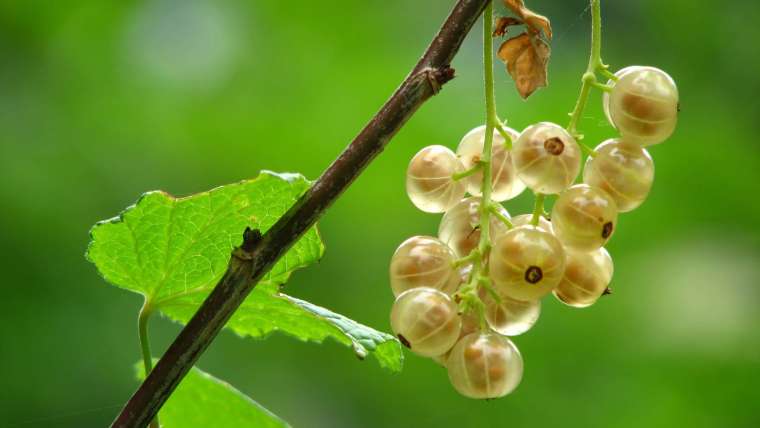
Currants are small, tart berries that come in various colors, including red, black, and white. These tiny fruits are packed with vitamins, particularly vitamin C, and are known for their antioxidant properties. Often used in jams, jellies, and baked goods, currants add a burst of tangy flavor to recipes. They are also enjoyed fresh, though their sharp taste can be…
Growing oats provides benefits such as improving soil health, suppressing weeds, adding organic matter, and serving as a nutritious food or forage crop. The oat plant, Avena sativa, is a tall, grass-like cereal crop known for its slender, upright stems and delicate seed heads. It thrives in cooler climates and well-drained soils, growing up to four feet in height. Its…
USDA Hardiness Zone 2 is one of the coldest regions in the US, with average minimum winter temperatures ranging from -50°F to -40°F (-45.6°C to -40°C). This extreme cold climate presents unique challenges for gardeners, as not all plants are capable of surviving the extreme cold and short growing season. However, by choosing the appropriate plant varieties and employing specific…