

Parsnips are a versatile root vegetable known for their sweet, nutty flavor and creamy texture when cooked.
Often compared to carrots, parsnips have a distinct earthiness that adds depth to a variety of dishes.
They are particularly popular in soups, stews, and roasted vegetable medleys, where their natural sugars caramelize beautifully, enhancing their rich taste.
In addition to their culinary uses, parsnips are a good source of vitamins C and K, as well as dietary fiber, making them a nutritious addition to any meal.
How to Grow Parsnips
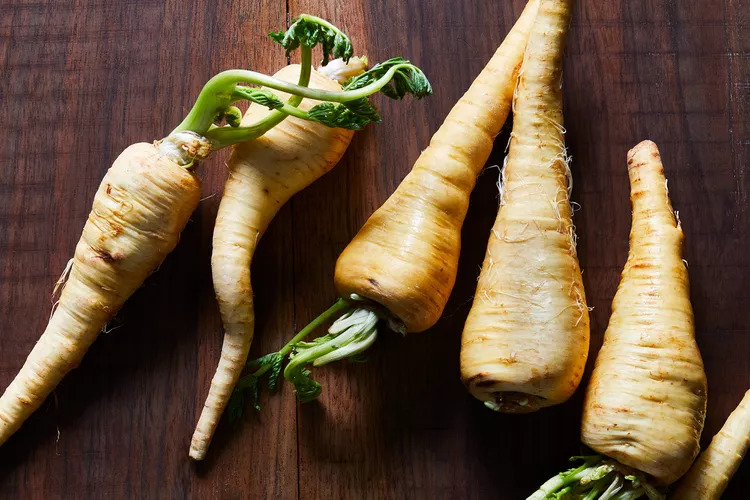
Growing parsnips is rewarding because they are a hardy root vegetable that thrives in cooler climates and can be harvested late into the winter when other fresh produce is scarce.
Their ability to store well over time allows for extended use, making them a practical and versatile crop for gardeners. Below is a comprehensive guide on how to grow parsnips.
Planting Parsnips
- Timing:
- Sow seeds in early spring: Parsnips are a cool-season crop. In most regions, it’s best to sow the seeds 2-3 weeks before the last expected frost. They require a long growing season of about 120-180 days.
- Soil preparation: Parsnips grow best in deep, well-drained, sandy or loamy soil. The soil should be worked to a depth of at least 12 inches to allow the roots to grow straight and long. Remove stones and other debris that might cause the roots to fork.
- Planting:
- Sow seeds directly into the garden, as parsnips do not transplant well. Plant the seeds 1/2 inch deep in rows spaced about 12-18 inches apart.
- Spacing: After germination (which can take 2-3 weeks), thin the seedlings to 3-6 inches apart to give each plant enough space to develop.
- Care:
- Watering: Keep the soil consistently moist, especially during the early stages of growth. Mulching around the plants can help retain soil moisture and suppress weeds.
- Fertilizing: Parsnips typically do not require heavy fertilization. If your soil is poor, you can add a balanced fertilizer (e.g., 10-10-10) before planting.
Growing Parsnips
- Weed Control:
- Keep the area free of weeds, especially during the early growth stages, as weeds can compete for nutrients and water.
- Thinning:
- Thin seedlings to avoid overcrowding, which can lead to smaller roots. Thinning should be done when the plants are about 3 inches tall.
- Pest and Disease Management:
- Parsnips are generally resistant to many pests and diseases. However, be on the lookout for carrot flies, which can cause damage to the roots. Using row covers can help prevent infestations.
Harvesting Parsnips
- When to Harvest:
- Parsnips are ready to harvest in late fall or early winter after 120-180 days of growth. Frost improves their flavor, so it’s best to leave them in the ground until after the first few frosts.
- You can also leave them in the ground over winter and harvest them in early spring before they begin to regrow.
- How to Harvest:
- Carefully loosen the soil around the roots with a garden fork or spade to avoid damaging them. Gently pull the parsnips out by their tops.
- Storage:
- Parsnips can be stored in a cool, dark place for several weeks. You can also store them in a refrigerator or a root cellar. Trim off the greens before storing.
Parsnips Growing Zone
Parsnips are a cool-season root vegetable that thrives in cooler temperatures. They can be grown in USDA Hardiness Zones 2 through 9. Here’s a quick guide based on zones:
- Zones 2-4: These colder zones are well-suited for parsnips, which can be planted as soon as the soil is workable in the spring. The cooler temperatures will help them grow well throughout the season.
- Zones 5-7: In these zones, you can plant parsnips in early spring and harvest them in late fall. Parsnips benefit from a frost or two, as this helps to sweeten their flavor.
- Zones 8-9: In warmer zones, it’s best to plant parsnips in late fall or winter to avoid the heat of summer. They will grow through the winter and can be harvested in early spring.
Parsnips need a long growing season, often 100 to 120 days, so plan your planting time accordingly. They prefer well-drained soil and plenty of sunlight, though they can tolerate partial shade.
Additional Tips
- Rotation: Avoid planting parsnips in the same spot each year to prevent soil-borne diseases.
- Companions: Parsnips grow well with onions, garlic, and beans but avoid planting them near carrots, as they can attract similar pests.
Growing Parsnips FAQ
Parsnips are root vegetables, closely related to carrots and parsley. They have a sweet, nutty flavor, especially after exposure to frost.
Parsnips should be planted in early spring, as soon as the soil can be worked. They require a long growing season, usually around 120-180 days.
Sow parsnip seeds ½ inch deep and space them about 3-4 inches apart in rows that are 12-18 inches apart.
Parsnips are typically ready to harvest in late fall, after the first frost. The frost improves their flavor by converting the starches in the roots to sugars.
Yes, but it’s challenging because parsnips need deep soil to grow long roots. Choose a deep container and ensure the soil is loose and well-draining.
Short, stumpy roots are usually caused by compacted soil or obstacles in the soil like stones. Ensure the soil is well-prepared before planting.
Sign up to get our FREE weekly emails
Gardening guides, tips, & videos delivered right to your inbox!


