

Imagine this: the first warmth of spring hits your garden, and instead of planting seeds from scratch, you’re harvesting fresh, vibrant food from plants you’ve nurtured year after year. Sounds like a dream, right? Well, it’s not! When you plant perennials, you’re investing in a sustainable, low-maintenance food source that keeps on giving season after season.
This post is dedicated to five incredible perennials that can turn your garden into a perennial food paradise, feeding you for years to come. From sweet strawberries to hearty asparagus, these plants offer more than just beauty—they’ll help fill your kitchen with homegrown goodness for seasons to come. Let’s dive into the world of perennials and discover how easy it is to grow your own food.
1. Asparagus: A Spring Favorite That Pays Off Year After Year

Why You Should Grow Asparagus
Asparagus is a true perennial gem, offering a harvest that lasts for decades once established. The best part? You only need to plant it once, and it will come back year after year. Plus, it’s incredibly versatile, perfect for grilling, steaming, or adding to soups and salads.
Asparagus thrives in well-drained, sandy soil and requires a sunny spot to truly flourish. Think of it as your garden’s early riser, emerging in spring with tender spears that are ready to harvest in a few years (yes, it takes some patience but the reward is worth it!).
Growing Tips:
- Planting: Asparagus is best planted in early spring, but make sure you choose a spot where it can stay for years—these plants can live for 15-20 years or more! Space them about 18 inches apart to give them room to grow.
- Soil: It prefers slightly acidic soil (pH between 6.5 to 7.0). Before planting, mix in plenty of compost for a nutrient boost.
- Care: Asparagus needs regular watering, especially in the first few years as it establishes roots. Once established, it’s fairly drought-tolerant.
2. Strawberries: Sweet Berries, Year After Year

Why You Should Grow Strawberries
Who doesn’t love fresh strawberries? They’re a garden staple, and when you plant everbearing or June-bearing strawberries, you’ll enjoy sweet, juicy fruit for many seasons to come. Plus, strawberries grow beautifully in containers, hanging baskets, or garden beds, making them perfect for any garden space.
Strawberries will quickly spread, filling your garden with lush, green foliage and red berries that are ready to pick in late spring to early summer. With proper care, they’ll continue to produce year after year, providing an endless supply of strawberries.
Growing Tips:
- Planting: Plant strawberries in late spring or early summer. Ensure they get 6-8 hours of sunlight each day for maximum fruit production. If you’re planting in containers, use a well-draining mix.
- Care: Water regularly, especially in hot weather, but avoid overwatering to prevent root rot. Mulch around the plants to keep the soil cool and reduce weeds.
- Maintenance: Replace the plants every 3-4 years to keep production high.
3. Brambles: Blackberries, Raspberries, and More
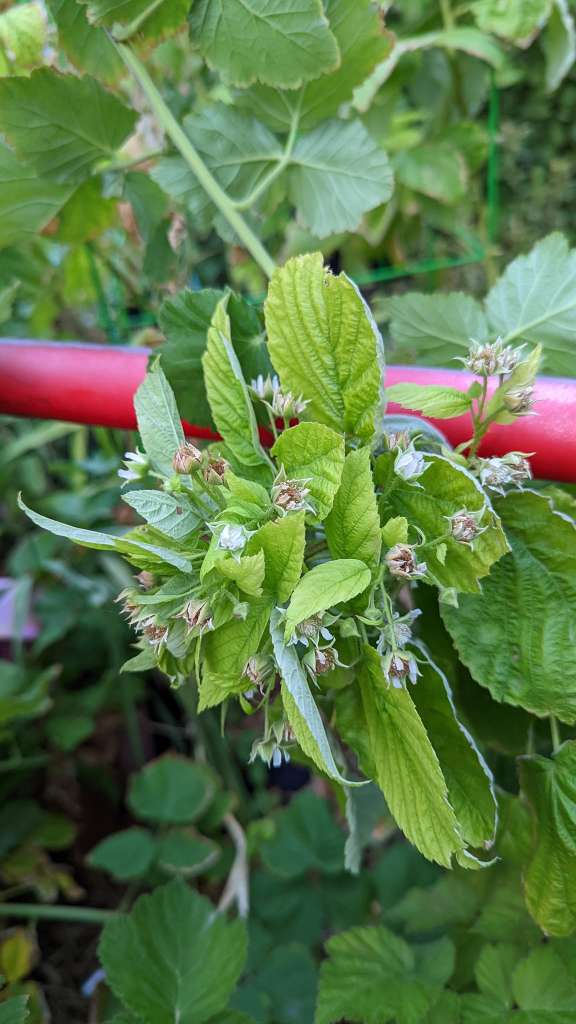
Why You Should Grow Brambles
Brambles, such as blackberries and raspberries, are fantastic perennials that deliver bountiful harvests year after year. These berries are packed with antioxidants and flavor, perfect for smoothies, jams, and pies. Brambles also grow quickly, so you’ll see results faster than many other perennial plants.
They thrive in sunny, well-drained soil and are relatively easy to maintain, although you’ll need to manage their spreading habit. But once you do, you’ll have a perennial berry patch that gives you fruit every summer.
Growing Tips:
- Planting: Brambles should be spaced about 3-4 feet apart to give them room to spread. They love full sun and well-drained soil. Consider planting them along a fence or trellis to keep them off the ground and help manage their spread.
- Care: Prune brambles regularly to keep them from becoming overgrown and tangled. Mulching around the base of the plants will help retain moisture and keep weeds at bay.
- Harvesting: Once established, they will produce fruit in mid-summer to fall, depending on the variety. Pick berries when they’re fully ripe for the best taste.
4. Perennial Herbs: A Fragrant Food Forest
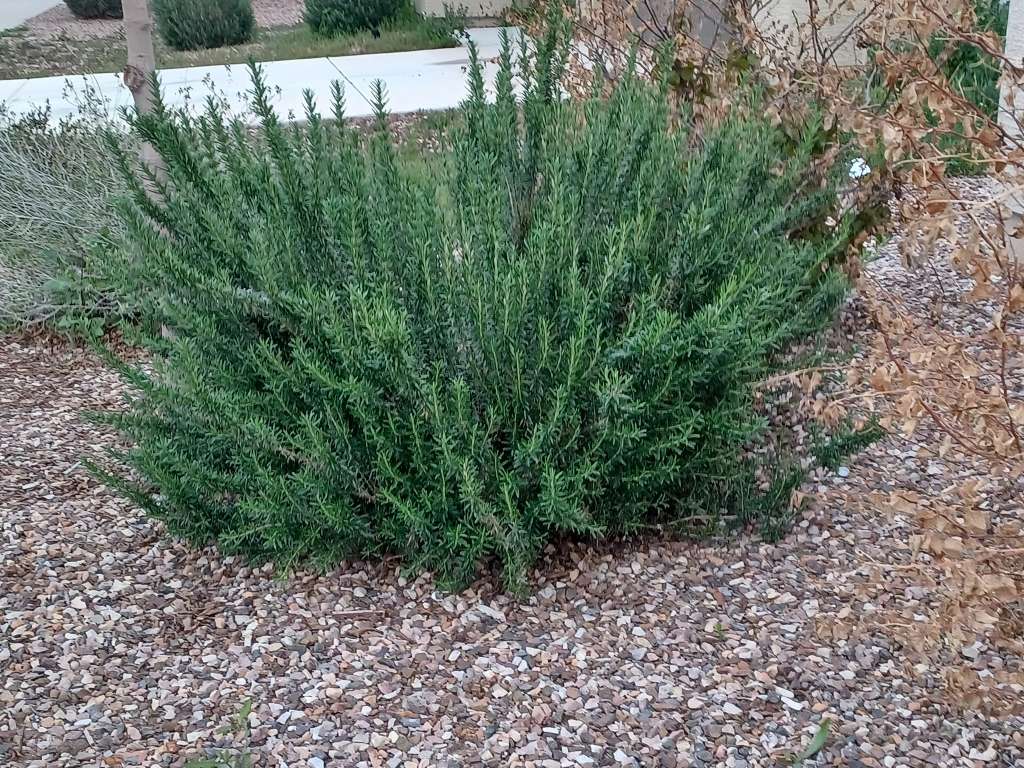
Why You Should Grow Perennial Herbs
Herbs like thyme, oregano, rosemary, and chives are fantastic perennial plants to add to your garden. These flavorful plants not only enhance your cooking, but they’re also low-maintenance, hardy, and drought-tolerant once established. Imagine walking out your door and snipping fresh herbs for your dinner every night, no replanting required.
Perennial herbs are perfect for adding aroma and flavor to your dishes. They thrive in sunny spots and well-drained soil, making them ideal for herb gardens or even container gardening.
Growing Tips:
- Planting: Plant herbs in full sun, in well-drained soil. Most perennial herbs prefer slightly alkaline soil, so make sure to check your pH before planting.
- Care: These plants require little attention beyond occasional pruning and watering during dry spells. Most perennial herbs are drought-tolerant once established.
- Harvesting: Snip the tops of the herbs regularly to encourage fresh growth and prevent them from becoming woody. For the best flavor, harvest just before the plants flower.
5. Perennial Blueberries: Sweet, Tangy, and Low Maintenance

Why You Should Grow Perennial Blueberries
Blueberries are a delicious addition to any garden. Once planted, blueberry bushes can produce fruit for years, and their vibrant, autumn foliage adds beauty to your landscape. These berries are not only tasty but packed with health benefits, making them a perfect choice for any garden looking to feed its family season after season.
Blueberries prefer acidic soil (pH 4.5-5.5), so you’ll need to ensure your soil is suitable. But with the right care, these bushes will reward you with sweet, nutritious berries year after year.
Growing Tips:
- Planting: Blueberries thrive in acidic, well-drained soil and need at least 6-8 hours of sunlight each day. Space bushes about 18-24 inches apart to allow for growth.
- Care: Water blueberries regularly, especially in dry spells, and mulch around the base to help retain moisture. Prune the bushes each year to maintain shape and encourage new growth.
- Harvesting: You’ll usually get berries in mid-summer. Pick them when they’re deep blue and easy to pull from the stem.
Perennials to Avoid Planting
While there are many perennials that can feed you for years, not all perennials are equal when it comes to gardening for food. Some can become invasive or require too much maintenance for a truly sustainable garden. Here are a few to be cautious about:
- Horseradish: While horseradish is a perennial, it spreads uncontrollably and can quickly take over your garden. If you want to grow it, keep it in a contained space.
- Artichokes: While they’re perennial, artichokes require a lot of space and are quite temperamental in some climates. They’re better suited for large gardens in warmer regions.
- Mint: Mint is invasive and can overwhelm your garden. If you plant it, make sure to contain it in a pot to prevent it from taking over.
FAQ
Asparagus typically takes 2-3 years to begin producing spears after planting. But once it starts, it can produce for up to 20 years with minimal care.
Yes, strawberries thrive in containers! Just ensure they get enough sunlight and have good drainage.
Yes, blueberries need at least 6 hours of full sun per day to produce the best fruit.
Brambles can be controlled by pruning them regularly and using a trellis or fencing to keep them from spreading too much.
Conclusion: Grow Perennials and Feed Yourself Forever
There’s something incredibly satisfying about planting a perennial that continues to reward you with fresh, homegrown food year after year. Whether you start with asparagus, strawberries, brambles, herbs, or blueberries, you’re creating a sustainable food source right in your own backyard. Best of all, these perennials are easy to care for and, once established, require little maintenance—allowing you to enjoy the fruits of your labor with minimal effort.
Ready to get started? Let me know which perennials you plan to grow in your garden this year, and feel free to share your tips and experiences in the comments below. And don’t forget to sign up for our newsletter for more gardening inspiration!
Sign up to get our FREE weekly emails
Gardening guides, tips, & videos delivered right to your inbox!


