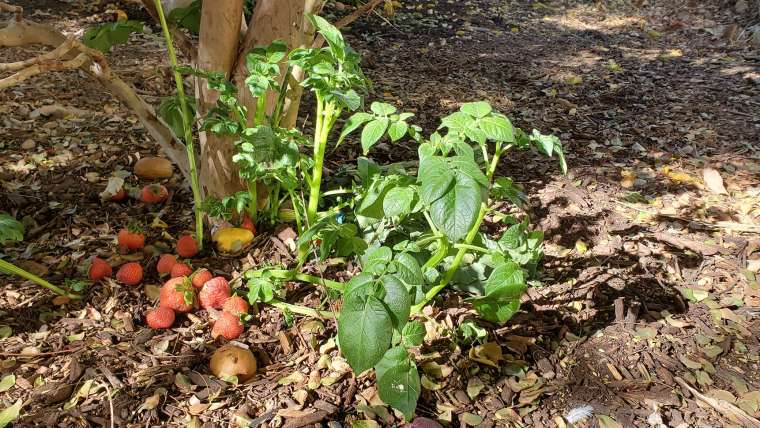
Tomatoes. Simple name, but oh, what a treat! If you’ve never had one fresh from the vine, imagine the juiciest, most vibrant flavor you can think of—rich, tangy, and sweet, with a little hint of earthiness that makes you wonder how something so good could come from dirt. Tomatoes are the MVP of the garden, hands down.
They grow like a dream in the summer, with vines that seem to stretch toward the sun, bursting with bright, ripe fruit in a rainbow of colors. And the best part? They don’t need much to thrive—just some sunlight, regular watering, and a bit of love. (Okay, maybe don’t forget the occasional pinch to encourage more growth.)
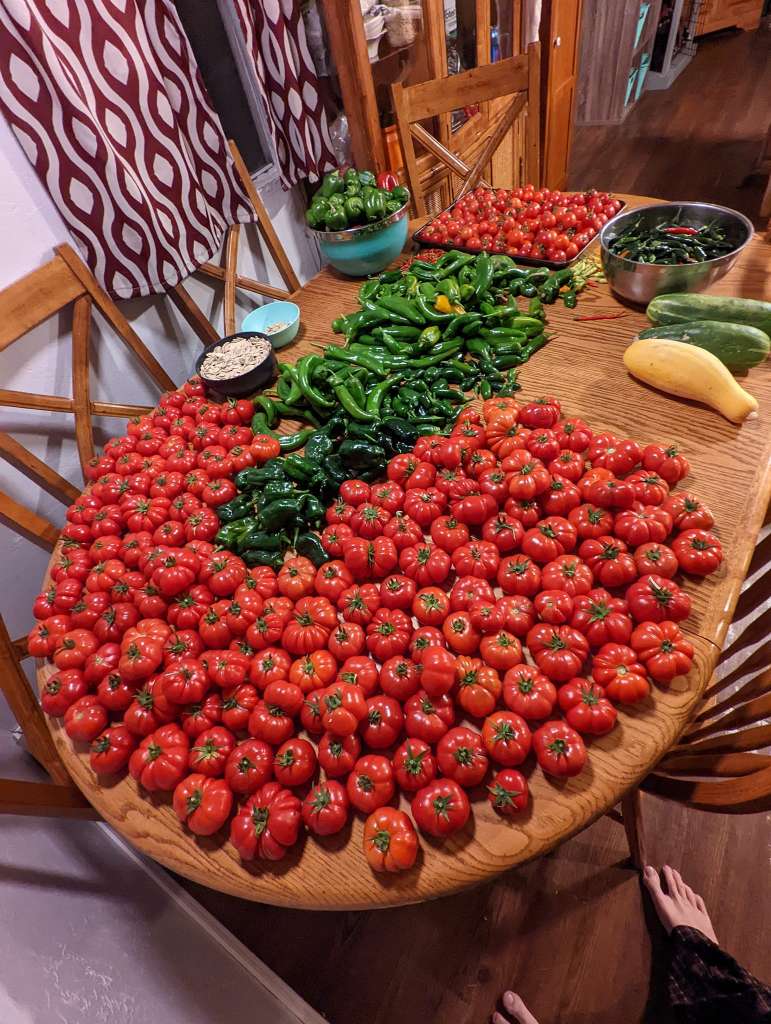
But, here’s the thing: don’t expect them to just show up without a little patience. You’ll have to wait for them to ripen, and trust me, it’s totally worth it. The first summer will be all about watching those little green orbs grow into something magical. By the second, they’ll be practically begging you to eat them.
Tomatoes are as versatile as they come—throw them in a salad, make sauce, or just slice them up with a little salt and olive oil. And if you’re into the whole health thing, they’re packed with vitamins, antioxidants, and all that good stuff. Plus, growing your own tomatoes feels like the ultimate flex.
How to Grow Tomatoes
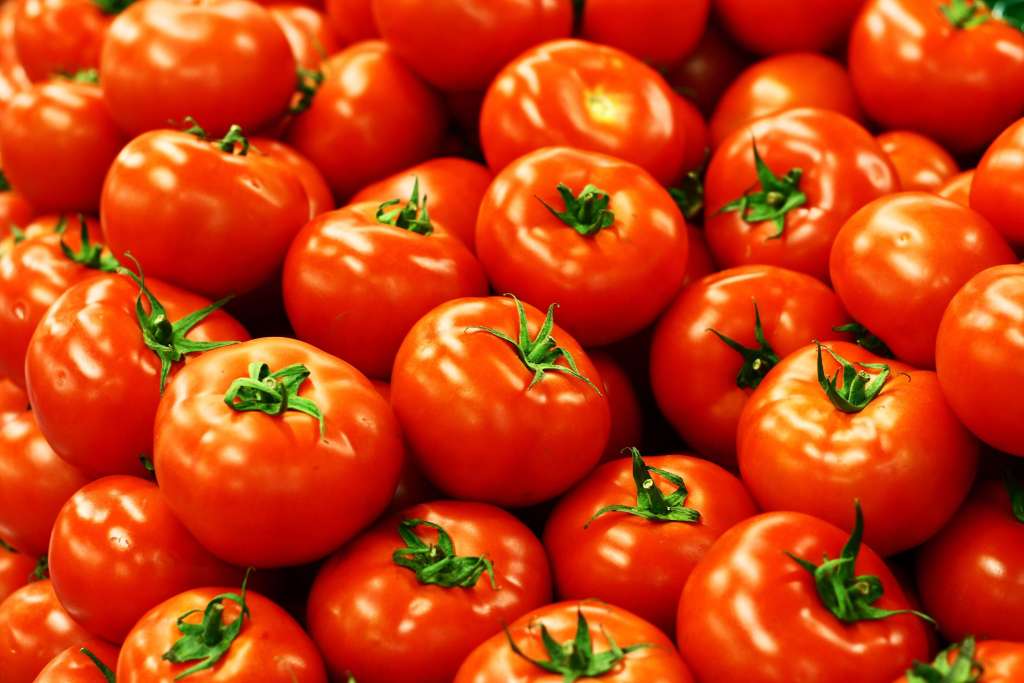
Tomatoes are a popular garden plant that can be grown successfully in many climates. Below is a guide to help you plant, grow, and harvest tomatoes.
Planting Tomatoes
- Choose the Right Variety:
- Decide between determinate (bush) and indeterminate (vine) varieties. Determinate tomatoes grow to a fixed size and produce fruit all at once, while indeterminate varieties continue growing and producing fruit throughout the season.
- Start Seeds Indoors:
- Start tomato seeds indoors 6-8 weeks before the last expected frost. Use a seed-starting mix, and keep the seeds warm (70-75°F/21-24°C) with plenty of light.
- Transplanting Seedlings:
- Transplant seedlings outdoors after the last frost when the soil is at least 60°F (15°C). Harden off seedlings by gradually exposing them to outdoor conditions for 7-10 days.
- Choosing a Location:
- Select a sunny spot with at least 6-8 hours of direct sunlight daily. Ensure the soil is well-draining, rich in organic matter, and slightly acidic (pH 6.0-6.8).
- Planting:
- Plant tomatoes deep, burying two-thirds of the stem to encourage strong root growth. Space determinate varieties 18-24 inches apart and indeterminate varieties 24-36 inches apart. Use stakes or cages for support.
Growing Tomatoes
- Watering:
- Water deeply and consistently, keeping the soil evenly moist but not waterlogged. Water at the base of the plant to avoid wetting the foliage, which can lead to diseases.
- Mulching:
- Apply a layer of mulch around the base of the plants to retain moisture, regulate soil temperature, and suppress weeds.
- Fertilizing:
- Fertilize tomatoes with a balanced fertilizer or one high in phosphorus. Apply a liquid fertilizer every 2-3 weeks or a slow-release granular fertilizer according to package instructions.
- Pruning:
- For indeterminate varieties, prune suckers (the shoots that develop in the leaf axils) to promote air circulation and direct the plant’s energy to fruit production.
- Pest and Disease Control:
- Monitor plants for common pests like aphids, hornworms, and whiteflies. Use organic insecticides or remove pests by hand. Prevent diseases by ensuring good air circulation, watering at the base, and using disease-resistant varieties.
Harvesting Tomatoes
- When to Harvest:
- Harvest tomatoes when they are fully colored and slightly soft to the touch. For the best flavor, allow them to ripen on the vine, but you can also pick them when they begin to turn color and let them ripen indoors.
- How to Harvest:
- Use garden shears or gently twist the fruit off the vine. Handle tomatoes carefully to avoid bruising.
- Storing Tomatoes:
- Store harvested tomatoes at room temperature, away from direct sunlight. For longer storage, store slightly underripe tomatoes in a cool, dark place and allow them to ripen.
Tomatoes Growing Zone
Tomatoes are generally grown in USDA Hardiness Zones 2 through 11, depending on the variety. However, the most common growing zones for tomatoes are Zones 3 to 10, where the climate is warm enough for optimal growth.
Here’s a quick guide:
- Zones 3-4: These are cooler zones where the growing season is shorter. Start seeds indoors 6-8 weeks before the last expected frost, and plant outdoors after the risk of frost has passed.
- Zones 5-7: These zones have a longer growing season, and tomatoes can usually be planted after the last frost in the spring. Start seeds indoors 4-6 weeks before the last frost.
- Zones 8-10: These zones have a warm climate and a long growing season. You can often start planting tomatoes earlier in the spring and sometimes even in the fall.
- Zone 11: This is a tropical climate where tomatoes can be grown almost year-round, though summer heat may require some shade protection.
Be sure to choose tomato varieties that are well-suited to your specific zone to ensure a successful harvest. Tomatoes can also be grown in pots.
Growing Tomatoes FAQ
Tomatoes should be planted after the last frost date in your area. They thrive in warm weather, so planting in late spring or early summer is ideal.
Use stakes, cages, or trellises to support your tomato plants as they grow. This keeps the fruit off the ground, reduces the risk of disease, and makes harvesting easier.
Depending on the variety, tomatoes usually take 60 to 85 days from transplanting to ripen. Indeterminate varieties will continue to produce fruit until frost, while determinate varieties will produce most of their fruit in a short period.
Start by choosing a large pot, at least 14 inches in diameter. Select a tomato variety suited for container gardening, such as determinate or dwarf types. Place the pot in a sunny location. Water regularly to keep the soil consistently moist but not waterlogged, and consider using a tomato cage or stakes for support as the plant grows.
Start by selecting high-quality seeds and planting them in seed-starting trays. Plant the seeds about 1/4 inch deep, and keep the soil consistently moist but not waterlogged. Place the trays in a warm location with temperatures between 70-80°F (21-27°C), ideally using a heat mat if necessary. Provide the seedlings with 14-16 hours of bright light daily, either from a sunny window or using grow lights.
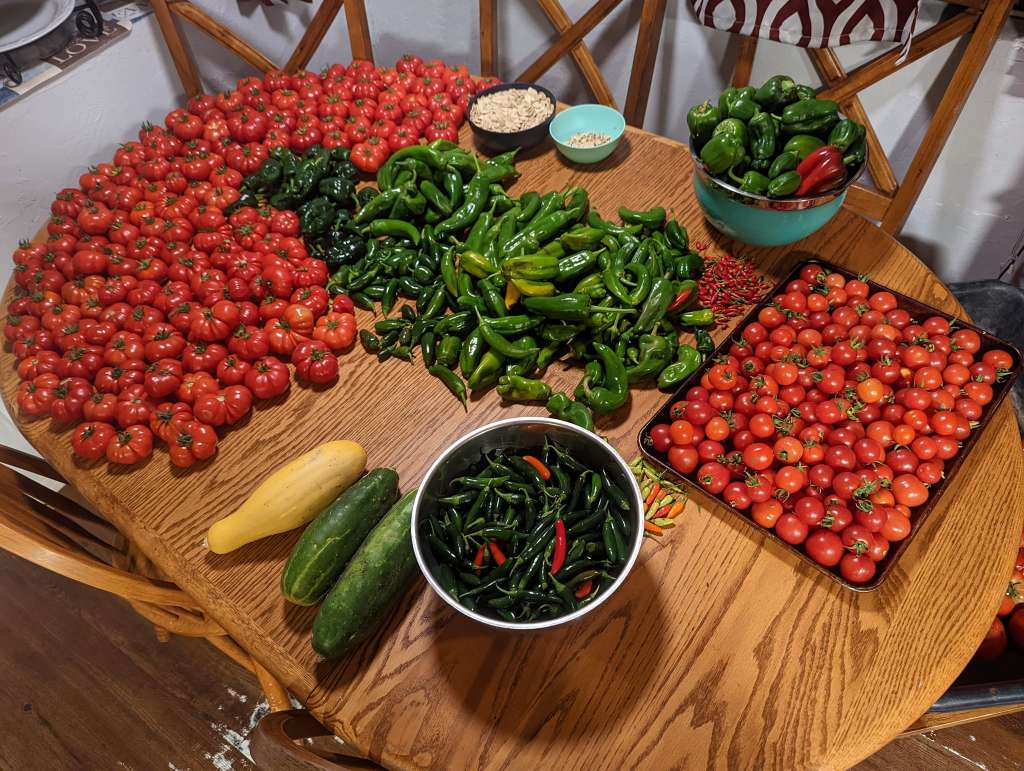
On average, a healthy tomato plant can produce anywhere from 10 to 30 pounds of tomatoes over the growing season, which translates to roughly 20 to 90 individual tomatoes per plant.
Tomatoes generally prefer full sun, which means they need at least 6-8 hours of direct sunlight each day to thrive and produce the best yields.
Sign up to get our FREE weekly emails
Gardening guides, tips, & videos delivered right to your inbox!