
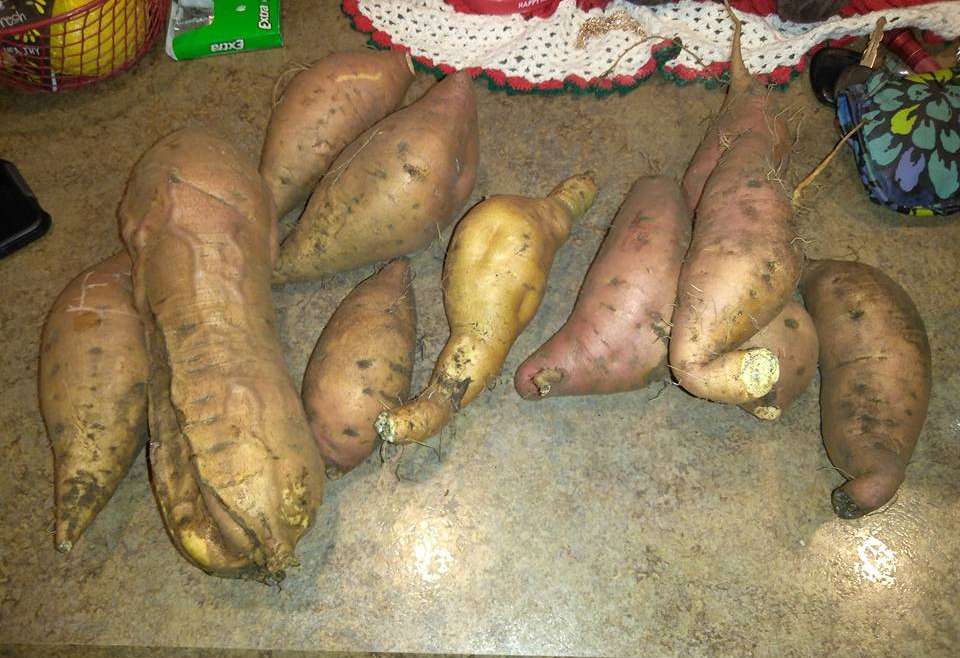
Growing sweet potatoes in containers offers several benefits, making it an ideal choice for gardeners with limited space or poor soil conditions. Container gardening allows for better control over soil quality, drainage, and pest management, ensuring healthy, high-yield crops. Sweet potatoes in containers are easier to manage and harvest, reducing the risk of damage to the roots.
In addition to that, they thrive in well-drained soil, and using containers helps maintain the right moisture balance. For those seeking an organic option, growing sweet potatoes in pots offers a way to avoid common garden pests and soil-borne diseases. Whether you’re growing sweet potatoes in pots on a balcony, patio, or small backyard, this method is also perfect for those looking to grow sweet potatoes in small spaces or urban gardens.
Growing Sweet Potatoes in a Pot
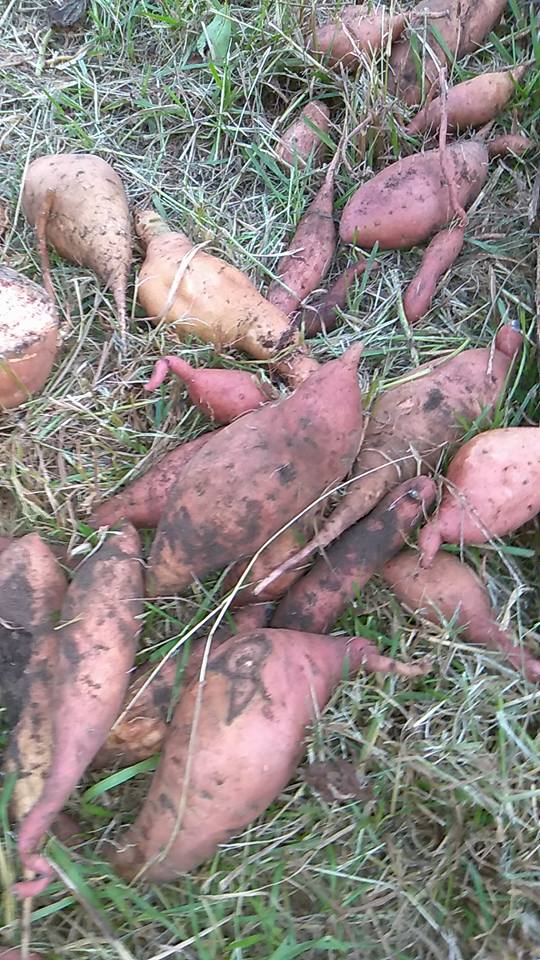
If you’re wondering on how to grow sweet potatoes in containers, this is the right guide to follow. They require minimal attention and are well-suited for containers, as long as you provide the right conditions for growth. In this article, we provide a complete guide on growing sweet potatoes in pots, along with sweet potatoes container gardening tips.
1. Choosing the Right Container
Sweet potatoes need ample space for their sprawling vines and tuber development, so selecting the correct container is critical. Here’s what to look for:
- Size: Choose a container that is at least 20 inches (50 cm) in diameter and 12-18 inches (30-45 cm) deep. The larger the container, the more room the sweet potatoes have to spread out and develop tubers.
- Material: Containers made from plastic, fabric, or wood work well. Ensure the material allows for good drainage.
- Drainage: Ensure your container has several drainage holes at the bottom to prevent water from pooling, which can lead to root rot.
2. Selecting Sweet Potato Varieties
There are two types of sweet potatoes: Bush and Vining. For containers, it’s best to choose bush varieties, which are more compact and don’t require as much space for vine growth. Here are a few varieties to consider:
- Beauregard: A popular variety that grows well in containers.
- Georgia Jet: Known for its quick growth and excellent yields.
- Centennial: A smaller variety that adapts well to container growth.
3. Preparing the Soil
Sweet potatoes thrive in well-draining, loose, and slightly acidic soil. Here’s how to prepare the soil for your container:
- Soil Mix: Use a high-quality potting mix with organic matter to ensure good drainage. You can mix in compost, perlite, or sand to improve aeration.
- Soil pH: Sweet potatoes prefer soil with a pH between 5.8 and 6.2. Test the soil pH, and adjust if needed with organic soil amendments.
- Fertilization: Sweet potatoes are heavy feeders, so choose fertilize well. You can go with organic options such as compost.
4. Planting Sweet Potatoes
Once your container is ready, it’s time to plant your sweet potatoes. Here’s a step-by-step guide:
- Seedlings (Slips): Sweet potatoes are grown from slips—young sprouts that grow from the roots of mature sweet potatoes. You can purchase slips from garden centers or propagate your own by placing a whole sweet potato in water, with half submerged. Within a few weeks, roots and sprouts will form, and you can cut off the slips for planting.
- Planting Depth: Plant your slips about 4 inches (10 cm) deep and space them 12-18 inches (30-45 cm) apart. If you’re planting multiple slips in a container, ensure there’s enough room for each plant to spread.
- Orientation: Place the slips with the rooted end facing down into the soil, and the top of the slip just above the surface.
5. Growing Conditions
Sweet potatoes require warm weather and plenty of sunlight. Here’s what to keep in mind:
- Temperature: Sweet potatoes are warm-season crops. They require temperatures between 70°F (21°C) and 85°F (29°C) during the growing season. They will not tolerate frost, so ensure the growing season is frost-free in your area.
- Sunlight: Sweet potatoes need at least 6-8 hours of full sunlight each day. If you live in a particularly hot climate, partial shade in the afternoon can protect the plants from excessive heat.
- Watering: Sweet potatoes need consistent moisture to grow, but be careful not to overwater. Ensure the soil remains evenly moist but not soggy. Water the plants deeply when the top 2 inches of soil feel dry, especially during the summer months.
6. Supporting Growth
As the sweet potato vines grow, they will start to spread out. Here’s how to manage their growth:
- Vine Management: Sweet potato vines can grow rapidly, and they will need some space to spread. If you don’t have a lot of room, you can train the vines to grow up a trellis or along the edge of your container.
- Pruning: Prune any dead or weak growth to encourage the plant to focus its energy on tuber development.
7. Fertilizing and Mulching
Sweet potatoes benefit from occasional feeding throughout the growing season:
- Fertilization: Apply a balanced fertilizer every 4-6 weeks to encourage healthy growth. Avoid too much nitrogen, as this can promote vine growth at the expense of tuber development.
- Mulching: Apply a layer of mulch around the base of the plants to conserve moisture, suppress weeds, and keep the soil temperature stable.
8. Harvesting Sweet Potatoes
Sweet potatoes typically take 90-170 days to mature, depending on the variety and growing conditions. Here’s how to know when to harvest:
- Maturity Signs: The leaves will begin to yellow and die back when the sweet potatoes are ready for harvest. This indicates that the plant is no longer producing new tubers and the ones that are there are maturing.
- Harvesting Process: Carefully dig up the sweet potatoes using a shovel or hand tools, being careful not to damage the tubers. Gently lift the entire plant out of the container, and then remove the sweet potatoes.
- Curing: After harvesting, sweet potatoes need to be cured to improve flavor and storage life. Cure them by placing them in a warm (80-85°F / 27-29°C) and humid area for 7-10 days. This helps to increase their sugar content and toughen their skins for better storage.
9. Storing Sweet Potatoes
Once your sweet potatoes are cured, store them in a cool, dry, and dark place with good ventilation. Ideal storage temperatures are 55-60°F (13-15°C). Avoid storing them in the fridge, as this can cause the flesh to become hard and unpleasant.
10. Troubleshooting Common Problems
Here are some common issues you might face when growing sweet potatoes in containers:
- Pests: Watch for pests like aphids, whiteflies, and sweet potato weevils. Use organic insecticidal soap or neem oil to control infestations.
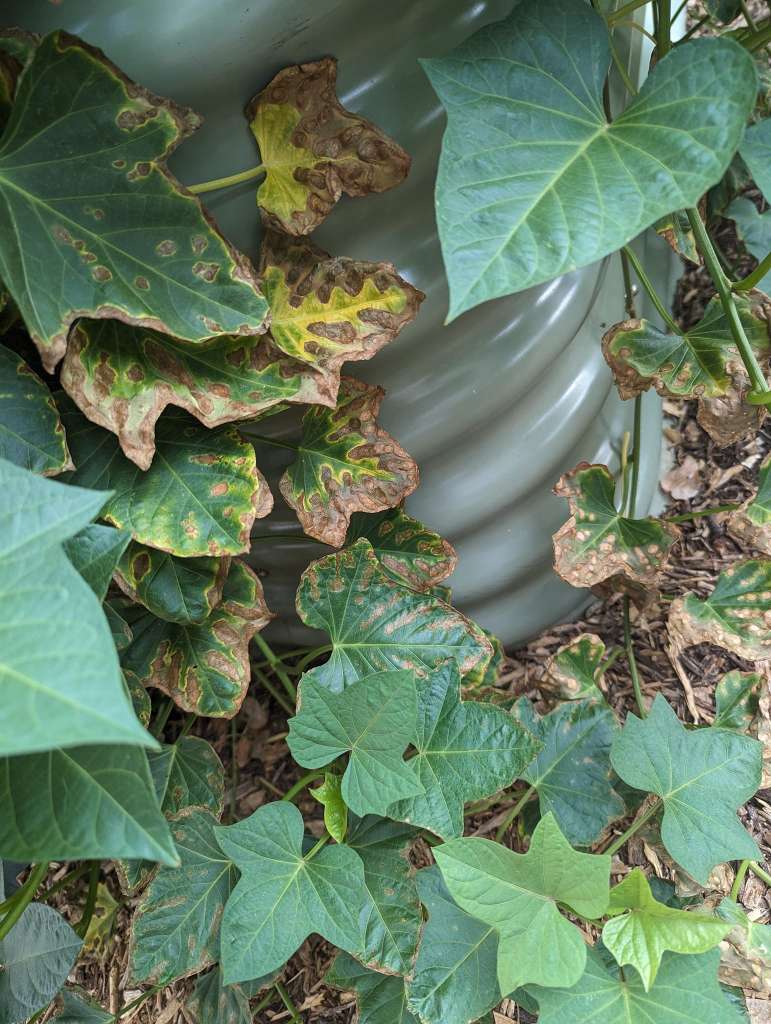
- Diseases: Fungal diseases like leaf spot or powdery mildew can affect sweet potatoes. Avoid overhead watering and ensure proper airflow around the plants to minimize the risk of disease.
- Nutrient Deficiency: If the leaves turn yellow or develop purple spots, it may be a sign of a phosphorus or nitrogen deficiency. Adjust your fertilization schedule accordingly.
FAQs
Start with healthy slips (young vines) or start your own by placing a whole sweet potato in a jar of water until it begins to sprout. Once the slips have grown to about 4-6 inches in length, you can transplant them into containers.
Sweet potatoes typically take 90-150 days to mature, depending on the variety and growing conditions. The vines will start to die back when the tubers are ready for harvest. Check the variety’s specific maturation timeline for more accuracy.
The leaves and vines of the plant will start to yellow and die back when the sweet potatoes are ready to harvest. Gently dig around the base of the plant to check the size of the tubers. Harvest before the first frost hits, as frost can damage the sweet potatoes.
While it’s possible to grow sweet potatoes in smaller pots, it’s not recommended because the roots may become cramped and produce smaller yields. Larger containers allow the plant to thrive and yield more sweet potatoes.
You can grow 1-2 sweet potato slips (the sprouted vine cuttings) in a 15-20 gallon container. This will give the plants enough room to spread out and produce a good harvest.
Sweet potatoes need warm temperatures to grow. Plant sweet potato slips after the danger of frost has passed and when soil temperatures are consistently above 60°F (15°C). In most regions, this means planting in late spring or early summer.
Water sweet potatoes regularly, keeping the soil consistently moist, but not soggy. Containers can dry out faster than ground soil, so you may need to water more frequently, especially during hot weather. Be sure the container has drainage holes to prevent waterlogging.
To harvest, gently pull the vines out of the container. Use a hand fork or small shovel to loosen the soil around the sweet potatoes and carefully lift them out, taking care not to bruise or damage the tubers.
While it’s possible to grow sweet potatoes indoors in a container, they require a lot of sunlight to thrive. If you’re growing them indoors, ensure they get at least 6-8 hours of direct light, or consider supplementing with grow lights.
Sign up to get our FREE weekly emails
Gardening guides, tips, & videos delivered right to your inbox!


