Growing sage in pots offers so many advantages. It allows for better control over soil quality and drainage, ensuring optimal growing conditions.
Potted sage can be easily moved to catch sunlight or protect it from harsh weather, making it ideal for varying climates. It also reduces the risk of pests and diseases common in garden soil.
Growing in containers limits the plant’s spread, preventing it from becoming invasive, and makes harvesting more convenient.
In addition, potted sage is perfect for small spaces, such as balconies or patios, providing a steady supply of fresh herbs for cooking or medicinal use.
How to Grow Sage in Containers

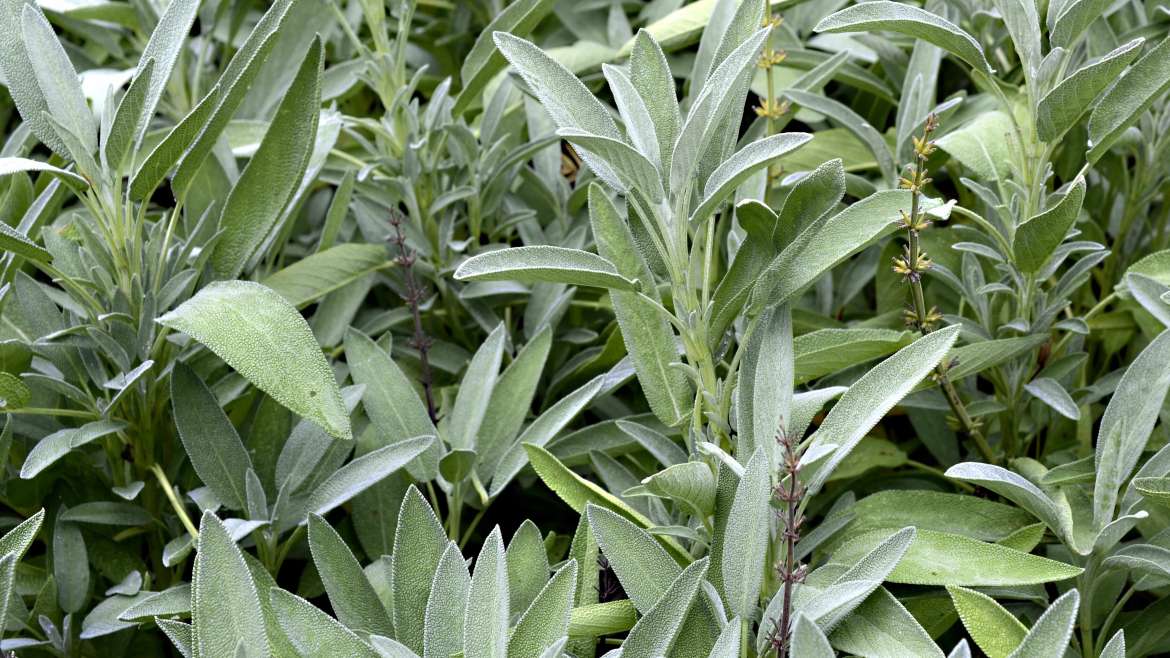
Sage (Salvia officinalis) is a versatile herb known for its earthy aroma and culinary uses. Growing sage in containers allows you to have a steady supply of fresh leaves even if you don’t have a garden. Check out this comprehensive guide to help you grow and maintain healthy sage in containers.
1. Choosing the Right Pot and Location
Pot Size and Type
- Size: Select a pot at least 12 inches in diameter and depth. Sage roots need space to spread.
- Drainage: Ensure the pot has drainage holes to prevent waterlogging.
- Material: Use terracotta or ceramic pots for better breathability, or plastic for portability.
Location
- Sunlight: Place the pot where it will receive 6-8 hours of direct sunlight daily, like a windowsill, balcony, or patio.
- Temperature: Sage prefers temperatures between 60-70°F (15-21°C) and thrives in mild climates. Avoid frost exposure.
2. Preparing the Soil
- Well-draining soil: Use a potting mix that drains well. A mix of garden soil, compost, and perlite or sand is ideal.
- pH Range: Sage prefers soil with a pH between 6.0 and 7.5.
- Add nutrients: Mix in a handful of organic compost or slow-release fertilizer before planting.
3. Planting Sage in Pots
Starting from Seeds
- Sow sage seeds 1/8 inch deep in moist soil.
- Cover lightly with soil and mist with water.
- Place in a warm, bright spot, and expect germination in 2-3 weeks.
Using Cuttings or Transplants
- Take 4-6 inch cuttings from healthy sage plants or buy seedlings from a nursery.
- Plant cuttings directly in moist soil and place the pot in a bright location.
- If using transplants, water the plant thoroughly after planting.
4. Watering Requirements
- Moderate watering: Water the plant when the top 1-2 inches of soil feel dry.
- Avoid overwatering: Sage is drought-tolerant. Let the soil dry out between waterings to prevent root rot.
5. Fertilizing Sage Plants
- Fertilize every 4-6 weeks using a diluted all-purpose liquid fertilizer.
- Avoid over-fertilizing, as too much nitrogen can reduce flavor intensity in the leaves.
6. Pruning and Harvesting
- Pruning: Trim regularly to maintain shape and promote bushy growth. Remove any dead or yellow leaves.
- Harvesting: Start harvesting once the plant has grown several healthy leaves (about 8 inches tall). Snip off top leaves with scissors to encourage new growth.
- For best flavor, harvest in the morning when the oils are concentrated.
7. Managing Pests and Diseases
- Pests: Watch out for aphids, spider mites, and whiteflies. Use insecticidal soap or neem oil if needed.
- Diseases: Ensure good air circulation to prevent powdery mildew and root rot.
- Companion plants: Plant sage with rosemary or thyme to help repel pests naturally.
8. Overwintering Sage in Pots
- Bring the pot indoors if frost is expected. Place it in a sunny window or under a grow light.
- Water sparingly in winter, as sage grows slowly during colder months.
9. Propagating Sage
- Take cuttings in spring or early summer to propagate new plants.
- Place the cuttings in water or directly into potting soil. Roots will form within 2-4 weeks.
10. Using Sage
- Culinary: Use sage leaves fresh or dried in soups, stews, teas, or as seasoning.
- Medicinal: Sage has antibacterial and anti-inflammatory properties. Use it for herbal remedies and teas.
- Aromatic: Sage is often used in smudging rituals for cleansing spaces.
FAQ
A pot with good drainage holes, around 12-18 inches in diameter, is ideal. Terracotta pots work well as they allow moisture to evaporate, preventing root rot.
Water when the top inch of soil feels dry. Avoid overwatering, as sage prefers drier soil and is drought-tolerant once established.
Yes! Sage can grow indoors if placed near a south-facing window that gets plenty of light or under a grow light.
Regular pruning encourages bushier growth. Harvest by snipping leaves or stems from the top, leaving at least a third of the plant intact to continue growing.
Overwatering is a common issue, leading to root rot. Watch for pests like spider mites or aphids and avoid overcrowding to prevent fungal infections.
With proper care, sage can live for several years. After 3-5 years, it may become woody, and replacing it with a new plant might improve yield and flavor.
Sign up to get our FREE weekly emails
Gardening guides, tips, & videos delivered right to your inbox!