

Pears. A fruit with a quiet confidence that packs a punch. If you’ve never had one, think of it as the love child of an apple and a melon, with a little extra sweetness and a smooth, buttery texture that makes you feel like you’re treating yourself. They’re refreshing without being too much, and their crunch (or softness, depending on when you pick ’em) is like nature’s perfect snack.
Pears bloom in spring, and they ripen in late summer to fall—so you’ll have a nice, long stretch of time to enjoy them. And the best part? They don’t need years to start giving you fruit. Some varieties will surprise you with their first crop within just a couple of years. But—hold up—before you rush out to plant one, remember: pears are picky about where they grow. They do best in the ground, where they can stretch out and sink those roots deep. If you try to force them into a pot, expect them to be a little grumpy.
Like any tree that’s worth its fruit, pears need a little attention at first. Give them a good watering, some shade in their early years, and a little patience, and they’ll reward you with the juiciest, most satisfying fruit.
And the tree? A beauty. Broad leaves with a glossy sheen, they’re not just good-looking—they’re sturdy, too, and once they’re established, they’ll handle the elements like a champ. Plus, there’s something oddly calming about standing beneath a pear tree in the fall, watching those fruits dangle like nature’s treasure.
Known for their juicy and tender flesh, pears are rich in essential vitamins such as C and K, as well as dietary fiber that supports digestive health. Their subtle sweetness makes them a versatile ingredient in both savory and sweet dishes, from salads and desserts to main courses and snacks. Whether eaten fresh, baked, or poached, pears provide a refreshing and healthy addition to any diet.
How to Grow Pears
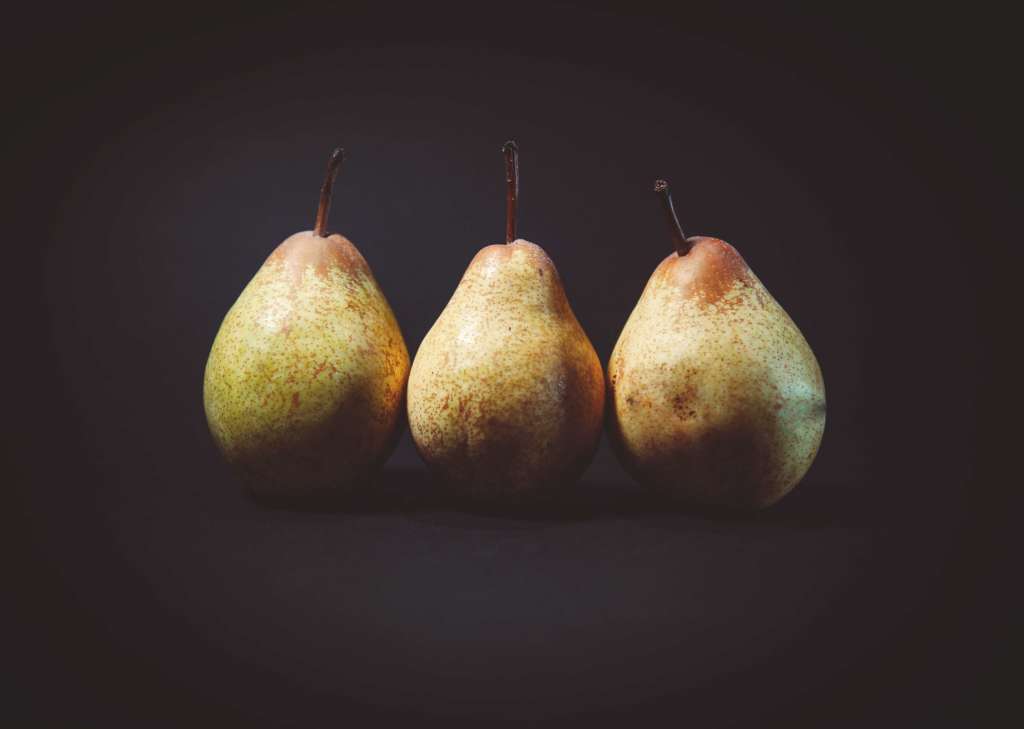
Growing pears can be a rewarding experience, providing you with delicious and fresh fruit straight from your garden. Below is a comprehensive guide on how to growing pear trees successfully.
Planting Pears
Choosing the Right Variety
- Climate: Choose a pear variety that suits your local climate. European pears (like Bartlett and Bosc) do well in temperate climates, while Asian pears (like Hosui and Shinseiki) prefer warmer regions.
- Pollination: Most pear trees require cross-pollination. Plant at least two different varieties that bloom at the same time.
Site Selection
- Sunlight: Pear trees need full sun for at least 6-8 hours a day.
- Soil: Well-drained, loamy soil with a pH between 6.0 and 7.0 is ideal.
- Space: Standard pear trees need 20 feet of space, while dwarf varieties need about 12 feet.
Planting Steps
- Timing: Plant pear trees in early spring or late winter.
- Preparation: Dig a hole twice as wide as the root ball and as deep.
- Planting: Place the tree in the hole, ensuring the graft union (swollen area on the trunk) is 2-4 inches above the soil line. Backfill with soil, water thoroughly, and mulch around the base.
Growing Pears
Watering
- Frequency: Water young trees weekly. Mature trees need about an inch of water per week.
- Method: Use a soaker hose or drip irrigation to ensure deep watering.
Fertilizing
- Initial Feeding: Apply a balanced fertilizer (10-10-10) in early spring before new growth begins.
- Annual Feeding: Fertilize again in early summer if growth is less than expected.
Pruning
- Timing: Prune in late winter while the tree is dormant.
- Method: Remove dead, diseased, or crossing branches. Shape the tree to have a central leader and scaffold branches.
Pest and Disease Control
- Common Issues: Watch for fire blight, pear psylla, and codling moth.
- Treatment: Use organic or chemical treatments as needed. Maintain good sanitation by removing fallen fruit and pruning infected branches.
Harvesting Pears
Timing
- Signs of Ripeness: European pears are usually harvested when mature but still firm and allowed to ripen off the tree. Asian pears can ripen on the tree.
- Testing: Gently lift the fruit. If it easily separates from the branch, it is ready to pick.
Harvesting Method
- Technique: Use a gentle twisting motion to remove the pears from the tree. Handle them carefully to avoid bruising.
Storage
- Short-term: Store pears in a cool, dark place.
- Long-term: Refrigerate pears to extend their shelf life. European pears can be stored for several weeks, while Asian pears last longer.
Pears Growing Zone
- Pears thrive in USDA hardiness zones 3 through 10, depending on the variety. These zones indicate the regions in which pear trees are most likely to grow successfully based on their cold tolerance and other climatic factors.
Growing Pears FAQ
Common pear varieties suitable for home gardens include Bartlett, Bosc, Anjou, and Asian pears. The choice depends on your climate and personal preference.
Choose a location with full sun (at least 6-8 hours of direct sunlight per day) and well-drained soil. Avoid low-lying areas prone to frost.
The best time to plant pear trees is in the early spring or late fall when the trees are dormant.
Standard pear trees should be planted about 20-25 feet apart, while dwarf varieties can be planted 12-15 feet apart.
Many pear trees are not self-pollinating and require another pear tree variety nearby to ensure good fruit production. Check if your chosen variety needs a pollinator.
Pears are typically harvested when they are mature but still firm. Most varieties ripen off the tree. Test for maturity by lifting the fruit; if it separates easily from the branch, it’s ready to pick.
Yes, dwarf pear varieties can be grown in large containers. Ensure the container has good drainage and use high-quality potting soil.
Sign up to get our FREE weekly emails
Gardening guides, tips, & videos delivered right to your inbox!


