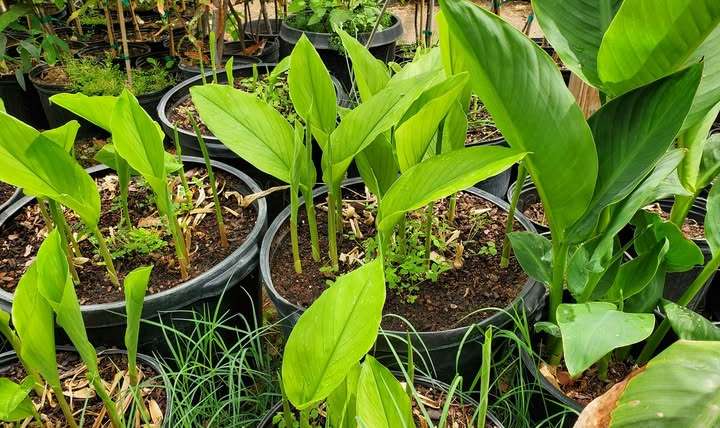
Growing oregano in pots offers a lot of benefits, especially for those with limited garden space. Pots allow you to control the growing conditions, such as soil quality and moisture, ensuring the plant thrives.
Oregano is a hardy herb that doesn’t require much maintenance, making it perfect for container gardening. One can easily move the pot to different locations, ensuring optimal sunlight exposure, or bring it indoors during colder months.
In addition to that, growing oregano in pots helps prevent the plant from spreading too aggressively, which can happen when planted directly in the ground.
How to Grow Oregano in Containers

Growing oregano in pots is an excellent way to keep this herb on hand year-round. This guide will walk you through the process of growing oregano in containers, covering everything from choosing the right pot to harvesting and maintaining your plant.
1. Why Grow Oregano in Pots?
Growing oregano in pots has several advantages:
- Convenience: Keep oregano close at hand in your kitchen or patio for easy harvesting.
- Portability: Move the pots indoors when temperatures drop.
- Pest Control: Potted plants are less susceptible to pests than garden plants.
- Soil Control: You can create the perfect soil mix for oregano, ensuring optimal growth.
2. Choosing the Right Pot
- Size: Oregano has a shallow root system, so a pot that’s at least 10-12 inches in diameter and about 8-10 inches deep will work. However, larger pots provide room for growth.
- Material: Terracotta pots are great for herbs as they allow for better airflow and drainage. Plastic or ceramic pots can also be used but ensure they have drainage holes.
- Drainage: Proper drainage is crucial. If your pot lacks sufficient drainage, oregano roots could rot.
3. Soil Requirements
Oregano thrives in well-draining soil. Use a light, sandy, loamy potting mix. Here’s an ideal mix:
- Commercial potting soil mixed with some perlite or sand for added drainage.
- You can also mix equal parts potting soil, perlite, and compost for a nutrient-rich, well-draining soil.
4. Selecting the Right Oregano Variety
There are several oregano varieties you can grow:
- Greek Oregano (Origanum vulgare): Known for its strong flavor, ideal for cooking.
- Italian Oregano: A milder flavor, often used in Italian cuisine.
- Golden Oregano: Has a lighter flavor and striking yellow-green leaves, great for ornamental purposes.
5. Planting Oregano
You can start oregano from seeds, cuttings, or nursery-grown plants.
- Starting from Seed: Oregano seeds are tiny, so scatter them on the soil surface and lightly press them into the soil. They need light to germinate, so do not cover the seeds completely.
- From Cuttings: Take a 4-6 inch cutting from an established plant, remove the lower leaves, and place it in water or directly into the soil to root.
- From Nursery Plants: If buying a young plant, simply transplant it into the pot by loosening the roots and placing it in the prepared soil.
6. Light Requirements
Oregano thrives in full sunlight, so place your pot in a location where it can receive 6-8 hours of direct sunlight per day. If you’re growing oregano indoors, place it near a sunny window or under a grow light for optimal growth.
7. Watering
Oregano is drought-tolerant once established and prefers slightly dry conditions. Follow these watering tips:
- Water sparingly: Water when the top inch of soil feels dry. Oregano prefers dry soil to soggy conditions, so avoid overwatering.
- Drainage: Make sure the pot has excellent drainage to prevent waterlogging.
8. Fertilizing
Oregano doesn’t need heavy fertilization. In fact, over-fertilizing can reduce the flavor intensity of the herb. Here’s what to do:
- Once a month: Use a diluted, balanced organic fertilizer (like 10-10-10) during the growing season.
- Avoid heavy feeding: Too much nitrogen can encourage leggy growth, reducing flavor quality.
9. Pruning and Harvesting Oregano
Pruning encourages bushier growth and prevents the plant from becoming leggy.
- Pruning: Trim back the plant regularly to encourage new growth. Pinch off the tips of the stems or cut them back by a third once the plant reaches 4-6 inches tall.
- Harvesting: You can start harvesting oregano once the plant has grown about 6 inches tall. Pick the leaves as needed, but avoid taking more than one-third of the plant at once to avoid stressing it.
10. Winter Care
If you live in a region with cold winters, oregano can be brought indoors or overwintered.
- Bring indoors: Move the pot to a sunny window indoors before the first frost.
- Reduce watering: In winter, oregano requires less water. Keep the soil slightly dry, but don’t let it dry out completely.
- Outdoor Care: In milder climates, you can leave oregano outside, but consider adding mulch to insulate the roots.
11. Common Pests and Problems
Oregano is generally pest-resistant, but a few issues can arise:
- Aphids and Spider Mites: These can sometimes appear, especially indoors. Use insecticidal soap or neem oil to control them.
- Root Rot: Overwatering or poor drainage can lead to root rot. Always allow the soil to dry between watering and ensure your pot has good drainage.
12. Using Oregano
Oregano is a versatile herb used in a variety of dishes:
- Culinary Uses: Use fresh leaves in pizza, pasta, marinades, or sprinkle over roasted vegetables.
- Drying Oregano: For dried oregano, harvest stems, tie them together, and hang them upside down in a dry, well-ventilated area.
Final Tips
- Rotate your oregano plant every few weeks if grown indoors to ensure all sides get adequate light.
- Re-pot oregano every couple of years to refresh the soil and provide more room for growth.
- Companion planting: Oregano is a great companion plant for other herbs and vegetables like basil, thyme, and tomatoes.
FAQ
Yes, oregano is well-suited for container gardening. It thrives in pots, making it easy to grow on patios, balconies, or even indoors by a sunny window.
Oregano requires full sunlight for at least 6-8 hours a day. Place the container in a spot where it can receive plenty of direct sunlight, like a south-facing window or outdoor space.
Water oregano when the top inch of soil feels dry. Oregano is drought-tolerant and prefers slightly dry conditions, so be careful not to overwater.
Yes, you can grow oregano from seeds. Start by planting seeds in a container filled with moist potting mix. Keep the soil lightly moist until germination, which usually takes 7-14 days.
Sign up to get our FREE weekly emails
Gardening guides, tips, & videos delivered right to your inbox!